

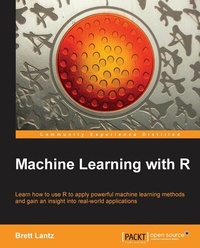
Machine Learning with R
R gives you access to the cutting-edge software you need to prepare data for machine learning. No previous knowledge required 'Äì this book will take you methodically through every stage of applying machine learning.
1st Edition
Published on 3. June 2024
396 pages
978-1-78216-215-5 (ISBN)
Description

R gives you access to the cutting-edge software you need to prepare data for machine learning. No previous knowledge required 'Äì this book will take you methodically through every stage of applying machine learning.Key Features - Harness the power of R for statistical computing and data science
- Use R to apply common machine learning algorithms with real-world applications
- Prepare, examine, and visualize data for analysis
- Understand how to choose between machine learning models
- Packed with clear instructions to explore, forecast, and classify data
Book DescriptionMachine learning, at its core, is concerned with transforming data into actionable knowledge. This fact makes machine learning well-suited to the present-day era of "big data" and "data science". Given the growing prominence of R'Äîa cross-platform, zero-cost statistical programming environment'Äîthere has never been a better time to start applying machine learning. Whether you are new to data science or a veteran, machine learning with R offers a powerful set of methods for quickly and easily gaining insight from your data. "Machine Learning with R" is a practical tutorial that uses hands-on examples to step through real-world application of machine learning. Without shying away from the technical details, we will explore Machine Learning with R using clear and practical examples. Well-suited to machine learning beginners or those with experience. Explore R to find the answer to all of your questions. How can we use machine learning to transform data into action? Using practical examples, we will explore how to prepare data for analysis, choose a machine learning method, and measure the success of the process. We will learn how to apply machine learning methods to a variety of common tasks including classification, prediction, forecasting, market basket analysis, and clustering. By applying the most effective machine learning methods to real-world problems, you will gain hands-on experience that will transform the way you think about data. "Machine Learning with R" will provide you with the analytical tools you need to quickly gain insight from complex data.What you will learn - Understand the basic terminology of machine learning and how to differentiate among various machine learning approaches
- Use R to prepare data for machine learning
- Explore and visualize data with R
- Classify data using nearest neighbor methods
- Learn about Bayesian methods for classifying data
- Predict values using decision trees, rules, and support vector machines
- Forecast numeric values using linear regression
- Model data using neural networks
- Find patterns in data using association rules for market basket analysis
- Group data into clusters for segmentation
- Evaluate and improve the performance of machine learning models
- Learn specialized machine learning techniques for text mining, social network data, and 'Äúbig'Äù data
Who this book is forIntended for those who want to learn how to use R's machine learning capabilities and gain insight from your data. Perhaps you already know a bit about machine learning, but have never used R; or perhaps you know a little R but are new to machine learning. In either case, this book will get you up and running quickly. It would be helpful to have a bit of familiarity with basic programming concepts, but no prior experience is required.
- Use R to apply common machine learning algorithms with real-world applications
- Prepare, examine, and visualize data for analysis
- Understand how to choose between machine learning models
- Packed with clear instructions to explore, forecast, and classify data
Book DescriptionMachine learning, at its core, is concerned with transforming data into actionable knowledge. This fact makes machine learning well-suited to the present-day era of "big data" and "data science". Given the growing prominence of R'Äîa cross-platform, zero-cost statistical programming environment'Äîthere has never been a better time to start applying machine learning. Whether you are new to data science or a veteran, machine learning with R offers a powerful set of methods for quickly and easily gaining insight from your data. "Machine Learning with R" is a practical tutorial that uses hands-on examples to step through real-world application of machine learning. Without shying away from the technical details, we will explore Machine Learning with R using clear and practical examples. Well-suited to machine learning beginners or those with experience. Explore R to find the answer to all of your questions. How can we use machine learning to transform data into action? Using practical examples, we will explore how to prepare data for analysis, choose a machine learning method, and measure the success of the process. We will learn how to apply machine learning methods to a variety of common tasks including classification, prediction, forecasting, market basket analysis, and clustering. By applying the most effective machine learning methods to real-world problems, you will gain hands-on experience that will transform the way you think about data. "Machine Learning with R" will provide you with the analytical tools you need to quickly gain insight from complex data.What you will learn - Understand the basic terminology of machine learning and how to differentiate among various machine learning approaches
- Use R to prepare data for machine learning
- Explore and visualize data with R
- Classify data using nearest neighbor methods
- Learn about Bayesian methods for classifying data
- Predict values using decision trees, rules, and support vector machines
- Forecast numeric values using linear regression
- Model data using neural networks
- Find patterns in data using association rules for market basket analysis
- Group data into clusters for segmentation
- Evaluate and improve the performance of machine learning models
- Learn specialized machine learning techniques for text mining, social network data, and 'Äúbig'Äù data
Who this book is forIntended for those who want to learn how to use R's machine learning capabilities and gain insight from your data. Perhaps you already know a bit about machine learning, but have never used R; or perhaps you know a little R but are new to machine learning. In either case, this book will get you up and running quickly. It would be helpful to have a bit of familiarity with basic programming concepts, but no prior experience is required.
All prices
More details
Other editions
New editions
Brett Lantz
Machine Learning with R
Expert techniques for predictive modeling to solve all your data analysis problems
E-Book
07/2024
2nd Edition
Packt Publishing Limited
from
€39.59
Available for download
Additional editions
Brett Lantz
Machine Learning with R
R gives you access to the cutting-edge software you need to prepare data for machine learning. No previous knowledge required 'Äì this book will take you methodically through every stage of applying machine learning.
Book
07/2013
Packt Publishing
€69.80
Shipment within 3-4 weeks
Person
Lantz Brett :
Brett Lantz (DataSpelunking) has spent more than 10 years using innovative data methods to understand human behavior. A sociologist by training, Brett was first captivated by machine learning during research on a large database of teenagers' social network profiles. Brett is a DataCamp instructor and a frequent speaker at machine learning conferences and workshops around the world. He is known to geek out about data science applications for sports, autonomous vehicles, foreign language learning, and fashion, among many other subjects, and hopes to one day blog about these subjects at Data Spelunking, a website dedicated to sharing knowledge about the search for insight in data.
Brett Lantz (DataSpelunking) has spent more than 10 years using innovative data methods to understand human behavior. A sociologist by training, Brett was first captivated by machine learning during research on a large database of teenagers' social network profiles. Brett is a DataCamp instructor and a frequent speaker at machine learning conferences and workshops around the world. He is known to geek out about data science applications for sports, autonomous vehicles, foreign language learning, and fashion, among many other subjects, and hopes to one day blog about these subjects at Data Spelunking, a website dedicated to sharing knowledge about the search for insight in data.
Content
Table of Contents

