


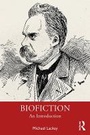
Biofiction
An Introduction
1st Edition
Published on 6. July 2021
198 pages
978-1-000-39972-1 (ISBN)
Description

Biofiction: An Introduction provides readers with the history, origins, evolution, and legitimization of biofiction, suggesting potential lines of inquiry, exploring criticisms of the literary form, and modeling the process of analyzing and interpreting individual texts. Written for undergraduate and graduate students, this volume combines comprehensive coverage of the core foundations of biofiction with contemporary and lively debates within the subject. The volume aims to confront and illuminate the following questions:
* When did biofiction come into being?
* What forces gave birth to it?
* How does it uniquely function and signify?
* Why has it become such a dominant aesthetic form in recent years?
This introduction will give readers a framework for evaluating specific biofictions from writers as varied as Friedrich Nietzsche, George Moore, Zora Neale Hurston, William Styron, Angela Carter, Joyce Carol Oates, and Colm Toibin, thus enabling readers to assess the value and impact of individual works on the culture at large. Spanning nineteenth-century origins to contemporary debates and adaptations, this book not only equips the reader with a firm grounding in the fundamentals of biofiction but also provides a valuable guide to the uncanny power of the biographical novel to transform cultural attitudes, perspectives, and beliefs.
* When did biofiction come into being?
* What forces gave birth to it?
* How does it uniquely function and signify?
* Why has it become such a dominant aesthetic form in recent years?
This introduction will give readers a framework for evaluating specific biofictions from writers as varied as Friedrich Nietzsche, George Moore, Zora Neale Hurston, William Styron, Angela Carter, Joyce Carol Oates, and Colm Toibin, thus enabling readers to assess the value and impact of individual works on the culture at large. Spanning nineteenth-century origins to contemporary debates and adaptations, this book not only equips the reader with a firm grounding in the fundamentals of biofiction but also provides a valuable guide to the uncanny power of the biographical novel to transform cultural attitudes, perspectives, and beliefs.
More details
Edition
1. Auflage
Language
English
Place of publication
London
United Kingdom
Publishing group
Taylor & Francis Ltd
Target group
College/higher education
Product notice
Reflowable
Illustrations
2 Halftones, color; 2 Illustrations, color
ISBN-13
978-1-000-39972-1 (9781000399721)
Copyright in bibliographic data and cover images is held by Nielsen Book Services Limited or by the publishers or by their respective licensors: all rights reserved.
Schweitzer Classification
Other editions
Additional editions
Book
07/2021
1st Edition
Routledge
€179.81
Shipment within 15-20 days

Book
07/2021
1st Edition
Routledge
€74.70
Shipment within 15-20 days
Book
06/2021
Routledge
Unfortunately, price unknown
Available (delivery time upon request)
Person
Michael Lackey is Distinguished McKnight University Professor and Distinguished University Teaching Professor at the University of Minnesota, Morris. As a scholar of twentieth- and twenty-first-century intellectual, political, and literary history, he has authored and edited ten books, mostly about biofiction, including Truthful Fictions and Conversations with Biographical Novelists, which contain interviews with some of the world's most famous biographical novelists. He has also guest-edited many special issues about biofiction for journals like a/b: Auto/Biography Studies, Eire-Ireland: An Interdisciplinary Journal of Irish Studies, Mississippi Quarterly, and American Book Review.
Content
Introduction I. The Nineteenth Century Origins 1. The Art of Agential Living 2. Portraits of Whom? II. Literature, Cultural Critique, and Political Liberation 3. Biofiction as Social Critique 4. The Irish, the Unslave Trade, and the Decolonization of the Mind 5. The 1930s and the First Surge in Biofiction III. Literary Debates 6. The Assault on Biofiction 7. The William Styron Controversy 8. Postmodernism's Historiographic Metafiction or Biofiction's "Truth" Proposals? 9. John Edgar Wideman on the Ethics of Fictionalizing a Life in Biofiction IV. The Uncanny Power of Biofiction 10. Biofiction as Cultural Intervention: The Case of Sally Hemings 11. The 1990s: The Decade of Biofiction's Official Legitimization and Dominance 12. The Transformative Powers of Biofiction for Students: A Case Study of David Ebershoff's The Danish Girla
Acknowledgments
Introduction
I.
The Nineteenth Century Origins
The Art of Agential Living
Portraits of Whom?
Figure One
Figure Two
II.
Literature, Cultural Critique, and Political Liberation
Biofiction as Social Critique
The Irish, the Unslave Trade, and the Decolonization of the Mind
The 1930s and the First Surge in Biofiction
III.
Literary Debates
The Assault on Biofiction
The William Styron Controversy
Postmodernism's Historiographic Metafiction or Biofiction's "Truth" Proposals?
John Edgar Wideman on the Ethics of Fictionalizing a Life in Biofiction
IV.
The Uncanny Power of Biofiction
Biofiction as Cultural Intervention: The Case of Sally Hemings
The 1990s: The Decade of Biofiction's Official Legitimization and Dominance
The Transformative Powers of Biofiction for Students: A Case Study of David Ebershoff's The Danish Girl
Acknowledgments
Introduction
I.
The Nineteenth Century Origins
The Art of Agential Living
Portraits of Whom?
Figure One
Figure Two
II.
Literature, Cultural Critique, and Political Liberation
Biofiction as Social Critique
The Irish, the Unslave Trade, and the Decolonization of the Mind
The 1930s and the First Surge in Biofiction
III.
Literary Debates
The Assault on Biofiction
The William Styron Controversy
Postmodernism's Historiographic Metafiction or Biofiction's "Truth" Proposals?
John Edgar Wideman on the Ethics of Fictionalizing a Life in Biofiction
IV.
The Uncanny Power of Biofiction
Biofiction as Cultural Intervention: The Case of Sally Hemings
The 1990s: The Decade of Biofiction's Official Legitimization and Dominance
The Transformative Powers of Biofiction for Students: A Case Study of David Ebershoff's The Danish Girl
