


Microplastic Monitoring Using Artificial Intelligence
Description

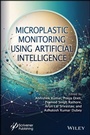
Revolutionize your approach to environmental protection with this groundbreaking resource, which details how to replace labor-intensive manual analysis with deep learning and explainable AI (XAI) to achieve precise, real-time identification and scalable monitoring of microplastic pollution.
AI-driven microplastic monitoring sits at the intersection of environmental science, artificial intelligence, and data analytics, representing a rapidly developing frontier in both research and industry. Microplastic pollution, which has become a critical environmental and public health concern, is challenging to monitor using traditional techniques due to the vast scale, complexity, and minute size of microplastics. Conventional methods, such as manual filtration, microscopic examination, and chemical analysis, are often labor-intensive, time-consuming, and limited in their ability to provide real-time, large-scale data. This book is a groundbreaking exploration of how artificial intelligence, particularly deep learning and explainable AI (XAI), is revolutionizing microplastic research. It highlights innovative applications of deep learning for precise identification and classification of microplastics, while emphasizing the role of XAI in providing transparency and interpretability to AI-driven methods. By integrating these approaches with advanced sensing technologies and predictive models, the book addresses key limitations of traditional methods, offering robust solutions for scalable and accurate monitoring. Additionally, the book considers the ethical, regulatory, and policy implications of deploying AI in environmental science, providing a balanced perspective on the potential benefits and challenges. With contributions from leading researchers and practitioners, this book is an essential resource for environmental scientists, data scientists, policymakers, and technologists committed to sustainable solutions for combating microplastic pollution.
More details
Other editions
Additional editions
Persons
Abhishek Kumar, PhD is an Assistant Director and Professor in the Computer Science and Engineering Department at Chandigarh University with more than 13 years of teaching experience. He has authored seven books, edited 51 books, and published more than 170 peer-reviewed articles. His research spans AI, renewable energy, image processing, and data mining.
Pooja Dixit is an Assistant Professor in the Department of Computer Science at Sophia Girls' College and is pursuing her Ph.D. in Computer Science from Manipal University. With more than seven years of academic teaching and two years of research experience, she has published more than 25 research papers in reputed journals, books, and conferences. Her research interests include artificial intelligence, machine learning, and data mining.
Pramod Singh Rathore, PhD is an Assistant Professor in the Department of Computer and Communication Engineering at Manipal University with more than 11 years of academic experience. He has published more than 55 papers in reputable, peer-reviewed national and international journals, books, and conferences. His research interests include NS2, computer networks, mining, and database management systems.
Arun Lal Srivastav, PhD is an Associate Professor in the School of Engineering and Technology at Chitkara University. He has published more than 100 research papers in various prestigious journals, conferences, and book chapters and edited many internationally published books. His research interests include water quality surveillance, climate change, water treatment, river ecosystems, soil health maintenance, engineering education, phytoremediation, and waste management.
Ashutosh Kumar Dubey, PhD is an Associate Professor in the Department of Computer Science at in the School of Engineering and Technology at Chitkara University with more than 16 years of experience. He has authored and edited 20 books and published more than 80 articles in peer-reviewed international journals and conference proceedings. His research interests encompass machine learning, renewable energy, health informatics, nature-inspired algorithms, cloud computing, and big data.
Content
- Cover
- Series Page
- Title Page
- Copyright Page
- Contents
- Preface
- Chapter 1 Introduction to Microplastic and the Role of AI
- 1.1 Introduction
- 1.1.1 Background and Importance of the Study
- 1.1.2 Definition of Microplastics
- 1.1.3 Sources and Types of Microplastics
- 1.1.4 Environmental and Health Impacts
- 1.2 Microplastic Distribution and Pathways
- 1.2.1 Marine and Freshwater Systems
- 1.2.2 Soil and Agricultural Environments
- 1.2.3 Airborne Microplastics
- 1.2.4 Bioaccumulation in the Food Chain
- 1.3 Current Methods of Microplastic Detection
- 1.3.1 Sampling and Collection Techniques
- 1.3.2 Conventional Analytical Methods (Microscopy, FTIR, Raman Spectroscopy)
- 1.3.3 Limitations of Traditional Approaches
- 1.4 Role of Artificial Intelligence (AI) in Microplastic Research
- 1.4.1 Introduction to AI and Machine Learning Concepts
- 1.4.2 AI for Image-Based Microplastic Identification
- 1.4.3 AI for Predictive Modeling of Microplastic Pollution
- 1.4.4 AI in Real-Time Monitoring and Sensing
- 1.4.5 Integration of AI with IoT and Remote Sensing
- 1.5 Case Studies and Applications
- 1.5.1 AI-Driven Microplastic Detection in Marine Systems
- 1.5.2 AI for Wastewater Treatment Monitoring
- 1.5.3 Predictive Analytics for Microplastic Pollution Hotspots
- 1.6 Challenges and Limitations
- 1.6.1 Data Availability and Quality Issues
- 1.6.2 Technical and Computational Challenges
- 1.6.3 Ethical and Policy Considerations
- 1.7 Future Directions
- 1.7.1 Advancements in AI Models for Environmental Applications
- 1.7.2 Cross-Disciplinary Research Opportunities
- 1.7.3 AI for Policy Support and Decision-Making
- 1.7.4 Towards Sustainable Microplastic Management
- 1.8 Conclusion
- References
- Chapter 2 A CNN-ViT Hybrid Deep Learning Architecture for Accurate Microplastic Detection
- 2.1 Introduction
- 2.2 Literature Review
- 2.3 Proposed Mythology
- 2.4 Result and Discussion
- 2.5 Concluding Remarks and Future Scope
- References
- Chapter 3 XAI for Decision Support in Microplastic Pollution Management
- 3.1 Introduction
- 3.2 Causes and Consequences and Effects of Microplastic Pollution
- 3.3 The Application of AI in Management of the Environment
- 3.4 XAI Frameworks are Flexible and for the Micro Plastic Environmental Management and the Summary to Explainable Artificial Intelligence
- 3.5 Application and Case Studies of XAI Microplastic Pollution Management
- 3.6 The Utilization of Machine Learning with Explainable AI (XAI) Regarding Decision Support Systems
- 3.7 Futures Directions and Challenges of Explainable AI with Microplastic Pollution
- 3.8 Conclusion
- References
- Chapter 4 AI-Driven Technologies in Mitigation of Microplastic Pollution
- 4.1 Introduction
- 4.2 AI Assisted Detection Techniques for the Microplastic
- 4.2.1 AI-Assisted Image Processing Technology
- 4.2.2 AI-Assisted FTIR
- 4.2.3 AI-Assisted Raman Spectroscopy
- 4.2.4 AI-Assisted HSI
- 4.3 Application of AI in Microplastic Pollution Control
- 4.4 Conclusion
- References
- Chapter 5 AI Driven Optical Imaging and Spectroscopic Techniques
- List of Abbreviations
- 5.1 Introduction
- 5.1.1 Origins of Microplastics: Sources, Types, and Impact
- 5.1.2 Traditional Detection Methods
- 5.1.3 Potential of AI in Transforming Microplastic Monitoring
- 5.2 Fundamentals of Optical Imaging and Spectroscopic Techniques
- 5.2.1 Optical Imaging: Principles and Applications
- 5.2.2 Spectroscopic Techniques: Raman and FTIR Spectroscopy
- 5.2.3 Integration of AI into Optical and Spectroscopic Tools
- 5.3 AI Innovations in Microplastic Detection
- 5.3.1 Machine Learning for Image Analysis and Classification
- 5.3.2 Neural Networks in Spectral Data Processing
- 5.3.3 Data Fusion for Enhanced Detection Accuracy
- 5.4 Applications in Real-Time Monitoring
- 5.4.1 Aquatic Ecosystem Analysis
- 5.4.2 Airborne Microplastic Detection
- 5.4.3 Industrial and Urban Monitoring Systems
- 5.5 Case Studies in AI-Driven Microplastic Detection
- 5.5.1 AI-Enhanced Raman Spectroscopy in Marine Monitoring
- 5.5.2 Automated Optical Imaging Systems for Waste Management
- 5.5.3 Community-Based Monitoring Initiatives
- 5.6 Challenges in AI-Driven Microplastic Monitoring
- 5.6.1 Technical Barriers: Data Volume and Processing Power
- 5.6.2 Scalability and Cost Constraints
- 5.6.3 Ethical and Privacy Concerns in Data Use
- 5.7 Future Directions
- 5.7.1 Innovations in AI Algorithms for Detection
- 5.7.2 Advancements in Sensor Technologies
- 5.7.3 Policy and Regulatory Frameworks Supporting Adoption
- 5.7.4 Pathways for Addressing Microplastic Pollution with AI
- 5.8 Conclusion
- 5.8.1 Summary of Key Developments
- 5.8.2 Future Perspectives
- Acknowledgement
- References
- Chapter 6 Integrating AI with Advanced Sensor Technologies for Real-Time Monitoring
- 6.1 Introduction
- 6.2 Bibliographic Study
- 6.3 AI-Enabled Sensor Technologies for Microplastic Detection
- 6.4 Challenges and Future Prospects
- 6.5 Conclusion
- References
- Chapter 7 Machine Learning for Microplastic Source and Pathway Prediction
- 7.1 Introduction
- 7.1.1 Overview of Microplastic Pollution and Its Global Impact
- 7.1.2 Limitations of Conventional Methods in Identifying Microplastic Sources and Tracking Their Dispersion
- 7.1.3 The Case for Using Machine Learning in Environmental Studies
- 7.2 Microplastic Sources and Pathways: An Overview
- 7.2.1 Classifying Microplastic Sources Into Primary and Secondary
- 7.2.2 Main Pathways of Microplastic Movement: Rivers, Runoff, Currents, and Air
- 7.2.3 Impact of Location and Climate on Microplastic Spread
- 7.3 Data Acquisition and Preprocessing
- 7.3.1 Types of Data Required
- 7.3.2 Data Sources
- 7.3.3 Challenges in Data Collection, Quality Control, and Labelling for Machine Learning
- 7.4 Machine Learning Approaches for Microplastic Modeling
- 7.4.1 Supervised Learning
- 7.4.2 Unsupervised Learning
- 7.4.3 Deep Learning
- 7.5 Model Development and Validation
- 7.6 Case Studies and Real-World Implementations
- 7.7 Visualization and Decision Support
- 7.7.1 Role of Visualization in Microplastic Prediction
- 7.7.2 Role of GIS in Data Integration and Monitoring
- 7.7.3 Decision Support Systems and Their Role in Policy
- 7.7.4 Multi-Stakeholder Impact and Use Cases
- 7.8 Challenges and Ethical Considerations
- 7.9 Conclusion and Future Scope
- References
- Chapter 8 Big Data Analytics in Mapping the Global Microplastic Distribution
- 8.1 Introduction
- 8.2 Data Sources for Microplastic Mapping
- 8.3 Big Data Techniques in Microplastic Analytics
- 8.4 Challenges in Big Data for Microplastic Studies
- 8.5 Case Studies
- 8.6 Applications and Implications
- 8.7 Future Directions
- 8.8 Conclusion
- 8.9 Acknowledgement
- References
- Chapter 9 Automation in Sampling and Processing, Robotics, and AI Synergy
- 9.1 Introduction
- 9.2 Robotics in Sampling and Processing
- 9.2.1 Types of Robotic Systems Used in Sampling and Processing
- 9.2.2 Automation in Environmental Sampling
- 9.2.3 Role of Robotics in Industrial and Biomedical Processing
- 9.3 AI-Driven Processing Workflows
- 9.4 Challenges and Limitations
- 9.5 Case Studies and Applications
- 9.6 Innovations and Emerging Trends
- 9.7 Future Directions
- 9.8 Conclusion
- References
- Chapter 10 Cross-Disciplinary Case Studies: AI in Action for Microplastic Research
- 10.1 Introduction
- 10.2 Literature Review
- 10.3 Proposed Methodology
- 10.4 Result and Discussion
- 10.5 Concluding Remarks and Future Scope
- References
- Chapter 11 Ethical and Social Implications of AI in Environmental Science: Balancing Innovation and Responsibility
- Introduction
- Methodology
- Result and Evaluation
- Challenges and Limitations
- Governance and Regulatory Frameworks
- Strategies for Responsible Integration
- Future Outcomes
- Conclusion
- References
- Chapter 12 Regulatory and Policy Challenges for AI-Enhanced Microplastic Monitoring
- 12.1 Introduction
- 12.2 Microplastic Monitoring through AI
- 12.2.1 Microplastic Detection
- 12.2.2 Classification and Quantification
- 12.2.3 Real-Time Monitoring and High-Resolution
- 12.3 The Current State of Microplastic Monitoring Regulations
- 12.3.1 Current Environmental Regulations and Microplastic Surveillance Guidelines
- 12.3.2 National and International Guidelines
- 12.3.3 Complications in Implementing and Complying with Policies
- 12.3.3.1 Lack of Techniques Installed for Detection and Measurement
- 12.3.3.2 Variations in Legal Definitions
- 12.3.3.3 Inconsistent Methods of Enforcement
- 12.3.3.4 Inadequate Stakeholder Partnership
- 12.3.3.5 New Potential Risks and Limitations in Technology
- 12.4 Regulatory Obstacles in AI-Powered Microplastic Identification
- 12.4.1 Inadequate Worldwide Standards
- 12.4.2 Problems with Data Difference, Accuracy, and Reproducibility
- 12.4.3 Accountability and Transparency of Algorithms
- 12.5 Privacy and Ethical Issues with AI-Powered Environmental Monitoring
- 12.5.1 The Ethical Consequences of AI in Science Research
- 12.5.2 Privacy Concerns: Acquiring Geographical and Sensitive Data
- 12.5.3 Ownership, Security, and Accessibility of Data
- 12.6 Policy Ideas for Including AI in Microplastic Monitoring
- 12.6.1 Need for Standardized Protocols, Especially for AI
- 12.6.2 Install the Default for Transparency and Algorithm Verification
- 12.6.3 Encouraging International Regulatory Coordination
- 12.7 Multidisciplinary Cooperation's Function in Policy Development
- 12.7.1 Connecting AI Developers, Scientists, and Policymakers
- 12.7.2 Promoting Interoperability and Open Data Sharing
- 12.7.3 International Collaborations for Successful AI-Based Environmental Regulations
- 12.8 Conclusion
- References
- Chapter 13 Future Trends: AI Driven Innovation in Environmental Science
- 13.1 Introduction to AI in Environmental Science
- 13.1.1 Definition and Scope of AI in Environmental Research
- 13.1.2 Historical Evolution and Current Applications
- 13.1.3 Importance of AI in Addressing Environmental Challenges
- 13.2 AI and Climate Change Mitigation
- 13.2.1 AI-Driven Climate Modeling and Prediction
- 13.2.2 Machine Learning for Greenhouse Gas Monitoring
- 13.2.3 AI-Based Carbon Capture and Sequestration Techniques
- 13.3 AI in Water Resource Management
- 13.3.1 Smart Sensors for Water Quality Monitoring
- 13.3.2 AI for Efficient Irrigation and Water Conservation
- 13.3.3 Predictive Analytics for Flood and Drought Forecasting
- 13.3.4 Additional Applications
- 13.4 AI in Biodiversity Conservation
- 13.4.1 AI for Species Identification and Monitoring
- 13.4.2 Deep Learning for Habitat Mapping
- 13.4.3 AI-Powered Drones for Wildlife Protection
- 13.5 AI for Sustainable Agriculture and Forestry
- 13.5.1 AI Driven Precision Farming and Crop Yield Prediction
- 13.5.2 Smart Forestry Management Using AI
- 13.5.3 AI-Enabled Pest and Disease Detection
- 13.6 AI in Air Pollution Control
- 13.6.1 AI for Real-Time Air Quality Monitoring and Forecasting
- 13.6.2 AI-Driven Emission Reduction Strategies
- 13.6.3 Autonomous Systems for Pollution Control
- 13.7 AI and Renewable Energy Optimization
- 13.7.1 AI for Solar and Wind Energy Forecasting
- 13.7.2 Smart Grids and AI-Powered Energy Distribution
- 13.8 AI for Smart Disaster Resilience
- 13.9 Environmental Sustainability
- 13.10 Future Scope
- References
- Chapter 14 XAI for Decision Support in Microplastic Pollution Management
- 14.1 Introduction
- 14.2 Literature Review
- 14.3 Proposed Methodology
- 14.4 Result and Discussion
- 14.5 Concluding Remarks and Future Scope
- References
- Chapter 15 The Road Ahead: AI's Role in Tackling Global Microplastic Pollution
- 15.1 Introduction
- 15.2 Literature Review
- 15.3 Proposed Methodology
- 15.4 Result and Discussion
- 15.5 Concluding Remarks and Future Scope
- References
- Chapter 16 Intelligent Environmental Surveillance: Integrating AI Systems for Comprehensive Microplastic Monitoring and Analysis
- 16.1 Introduction
- 16.1.1 Scope of Global Microplastic Crisis
- 16.1.2 Emergence of AI in Environmental Monitoring
- 16.1.3 Objectives and Organization
- 16.2 Understanding Microplastic Pollution
- 16.2.1 Definition and Sources
- 16.2.2 Environmental Impact
- 16.2.2.1 Marine Ecosystem Effects
- 16.2.2.2 Human Health Implications
- 16.2.3 Current Monitoring Challenges
- 16.3 AI-Based Monitoring Systems
- 16.3.1 Machine Learning Approaches
- 16.3.2 Computer Vision Technologies
- 16.3.3 Real-Time Detection Capabilities
- 16.3.4 Data Processing and Analysis
- 16.4 Implementation and Case Studies
- 16.4.1 Existing AI-Powered Systems
- 16.4.2 Field Implementation Examples
- 16.4.3 Performance Analysis
- 16.4.4 Best Practices
- 16.5 Future Scope
- 16.5.1 Emerging Technologies
- 16.5.2 Integration with Global Networks
- 16.5.3 Scalability Considerations
- 16.5.4 Research Directions
- 16.6 Conclusion
- 16.6.1 Summary of Key Findings
- 16.6.2 Implementation Recommendations
- 16.6.3 Future Research Needs
- Bibliography
- Index
- Also of Interest
- EULA
