

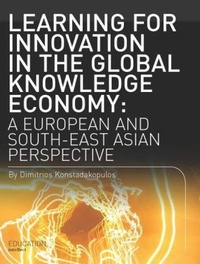
Learning for Innovation in the Global Knowledge Economy
A European and Southeast Asian Perspective
1st Edition
Published on 1. January 2004
142 pages
978-1-84150-898-6 (ISBN)
Description

This book is a major step forward in understanding the learning behaviour of clustered technology-intensive small and medium-sized enterprises (SMEs). Drawing upon qualitative and quantitative research methods and sampling techniques, it identifies how learning for innovation is stimulated or inhibited. An informative, challenging and comprehensive empirical study and analysis, this book will be useful to scholars and students of regional development, European and Asian relations, development economics, and management studies. It will also be a valuable reference to decision-makers, policy analysts and international businessmen seeking to understand how the process of learning and acquisition of knowledge could improve the innovative performance, growth and competitiveness of firms in which they are located.
More details
Edition
1. Auflage
Language
English
Place of publication
Bristol
United Kingdom
Publishing group
Intellect
Target group
Professional and scholarly
ISBN-13
978-1-84150-898-6 (9781841508986)
Copyright in bibliographic data and cover images is held by Nielsen Book Services Limited or by the publishers or by their respective licensors: all rights reserved.
Schweitzer Classification
Other editions
Additional editions
Dimitrios Konstadakopulos
Learning for Innovation in the Global Knowledge Economy
A European and Southeast Asian Perspective
Book
02/2004
Intellect Books
€30.00
Article not available at the moment
Content
List of Tables vii
List of Figures xi
List of Abbreviations xiii
Introduction 1
The origins of the research 1
The main research questions 3
The structure of the book 4
Part I: The Embeddedness of Innovation in Regional Agglomerations 7
Chapter 1:
Fostering Innovation and Entrepreneurship 7
1.1 Innovative Environments and the Importance of Proximity 7
1.2 The Concept of the 'Innovative Milieu' 8
1.3 The Evolutionary Theory of Technological Change 11
1.4 The Importance of Agglomeration or Cluster Economies 13
1.5 Re-conceptualising the Role of Learning in Regional Development 15
1.6 The Exploitation of Collective Learning: An Easy and Inexpensive
Way to Innovate 17
1.7 The Importance of Networking for SMEs 18
Chapter 2:
Technological Innovation Policies in the EU and ASEAN Economies 23
2.1 The Emerging Global Knowledge Economy 23
2.2 The Evolutionary Development of Technological Policy in Europe 25
2.2.1 Policy Patterns in European Regional Agglomerations 27
2.2.2 The Industrial District of the West of England 31
2.3 The Evolving Nature of Technological Policy in ASEAN 34
2.3.1 Singapore: Building a Capacity for Learning 36
2.3.2 Malaysia's Technological Development 38
2.3.3 The State of Johar: the Southern Gateway to Malaysia 41
2.3.4 The Singapore-Johar Cross-Border Agglomeration and the
Logic of Spillover 42
2.4 EU-ASEAN Technological Co-operation 46
Part II:
The Empirical Comparative Analysis 53
Chapter 3:
Innovation in the West of England 53
3.1 The Profile of Innovative Regional Firms 53
3.2 Regional Innovators and their Sources of Innovation 55
3.3 Regional Collaboration in Product and Process Development 58
3.4 Inter-firm Linkages, Networks and Collaboration 59
3.5 The Effect of Regional Specific Advantages on Firms' Development 62
3.6 The Collective Learning Experience and Regional Channels of
Knowledge Acquisition 63
Chapter 4:
Innovation in the Singapore-Johor Agglomeration 69
4.1 The Profile of Innovative Regional Firms 69
4.2 Regional Innovators and their Sources of Innovation 71
4.3 Regional Collaboration in Product and Process Development 73
4.4 Inter-firm Linkages, Networks and Collaboration 74
4.5 The Effect of Regional Specific Advantages on Firms' Development 80
4.6 The Collective Learning Experience and Regional Channels of
Knowledge Acquisition 63
Chapter 5:
A Comparative Analysis of Patterns of Learning Behaviour and
Co-operation in the West of England and Singapore-Johor 87
5.1 A Statistical Analysis of the West of England Sample Survey 88
5.2 A Statistical Analysis of the Singapore-Johor Sample Survey 91
5.3 Industrial Districts, Innovative Milieux, Growth Triangles or
Global Knowledge Economies? 95
Part III:
Policy Lessons and Implications 101
Chapter 6:
The Relevance of the Economic, Political and Social
Environments of Europe and South-East Asia 101
6.1 Market Cultures in the Economies of Europe and South-East Asia 102
6.1.1 Competing Models of Development 106
6.1.2 Implications for Policy 110
6.2 Recommendations: Facilitating the Development of
Knowledge-intensive Enterprises 113
Bibliography 117
Appendix 135
Index 139
List of Figures xi
List of Abbreviations xiii
Introduction 1
The origins of the research 1
The main research questions 3
The structure of the book 4
Part I: The Embeddedness of Innovation in Regional Agglomerations 7
Chapter 1:
Fostering Innovation and Entrepreneurship 7
1.1 Innovative Environments and the Importance of Proximity 7
1.2 The Concept of the 'Innovative Milieu' 8
1.3 The Evolutionary Theory of Technological Change 11
1.4 The Importance of Agglomeration or Cluster Economies 13
1.5 Re-conceptualising the Role of Learning in Regional Development 15
1.6 The Exploitation of Collective Learning: An Easy and Inexpensive
Way to Innovate 17
1.7 The Importance of Networking for SMEs 18
Chapter 2:
Technological Innovation Policies in the EU and ASEAN Economies 23
2.1 The Emerging Global Knowledge Economy 23
2.2 The Evolutionary Development of Technological Policy in Europe 25
2.2.1 Policy Patterns in European Regional Agglomerations 27
2.2.2 The Industrial District of the West of England 31
2.3 The Evolving Nature of Technological Policy in ASEAN 34
2.3.1 Singapore: Building a Capacity for Learning 36
2.3.2 Malaysia's Technological Development 38
2.3.3 The State of Johar: the Southern Gateway to Malaysia 41
2.3.4 The Singapore-Johar Cross-Border Agglomeration and the
Logic of Spillover 42
2.4 EU-ASEAN Technological Co-operation 46
Part II:
The Empirical Comparative Analysis 53
Chapter 3:
Innovation in the West of England 53
3.1 The Profile of Innovative Regional Firms 53
3.2 Regional Innovators and their Sources of Innovation 55
3.3 Regional Collaboration in Product and Process Development 58
3.4 Inter-firm Linkages, Networks and Collaboration 59
3.5 The Effect of Regional Specific Advantages on Firms' Development 62
3.6 The Collective Learning Experience and Regional Channels of
Knowledge Acquisition 63
Chapter 4:
Innovation in the Singapore-Johor Agglomeration 69
4.1 The Profile of Innovative Regional Firms 69
4.2 Regional Innovators and their Sources of Innovation 71
4.3 Regional Collaboration in Product and Process Development 73
4.4 Inter-firm Linkages, Networks and Collaboration 74
4.5 The Effect of Regional Specific Advantages on Firms' Development 80
4.6 The Collective Learning Experience and Regional Channels of
Knowledge Acquisition 63
Chapter 5:
A Comparative Analysis of Patterns of Learning Behaviour and
Co-operation in the West of England and Singapore-Johor 87
5.1 A Statistical Analysis of the West of England Sample Survey 88
5.2 A Statistical Analysis of the Singapore-Johor Sample Survey 91
5.3 Industrial Districts, Innovative Milieux, Growth Triangles or
Global Knowledge Economies? 95
Part III:
Policy Lessons and Implications 101
Chapter 6:
The Relevance of the Economic, Political and Social
Environments of Europe and South-East Asia 101
6.1 Market Cultures in the Economies of Europe and South-East Asia 102
6.1.1 Competing Models of Development 106
6.1.2 Implications for Policy 110
6.2 Recommendations: Facilitating the Development of
Knowledge-intensive Enterprises 113
Bibliography 117
Appendix 135
Index 139
