

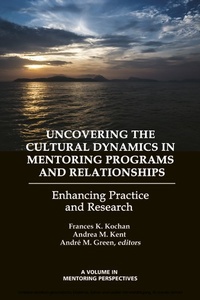
Uncovering the Cultural Dynamics in Mentoring Programs and Relationships
Enhancing Practice and Research
1st Edition
Published on 12. January 2014
365 pages
978-1-62396-853-3 (ISBN)
Description

Although cultural issues have a powerful influence on the failure and success of mentoring programs and relationships, there is scant research on this area and little in the way of guidelines that practitioners can use to help assure mentoring success. This book seeks to expand our knowledge and understanding of this topic and to foster the use of this information to enhance practice and research.The book is unique in a number of ways and will be an important resource for all those engaged in mentoring endeavors and for those conducting research in this area. First, it presents research findings on the cultural impact of mentoring at the individual relational level, at the organizational level, and within the structures of the society. Secondly, the chapters describe mentoring from an international perspective including programs from Africa, Australia, Canada, Finland, India, Ireland, Korea, Scotland, Sweden and the United States. Third, the book is research based and yet, can be easily applied to practice. Chapters provide information on lessons learned and also include reflective questions to enable the reader to delve more deeply into the constructs and findings in order to apply them to their own practice and research. This makes the book an ideal resource for training mentors and mentees, for designing mentoring programs, for teaching about mentoring, and for establishing and maintaining mentoring relationships. It also will be of value to those who are engaged in conducting research on how to create and maintain successful mentoring relationships and programs.EndorsementsAll mentoring relationships are diverse. Indeed, it is the difference between mentor and mentee that creates the potential for co-learning. Mentoring that bridges cultural gaps opens the way to an exchange of understanding about both internal and external assumptions and perspectives (how each of us thinks and how the world functions for each of us). In this book, the editors and contributors demonstrate the diversity of diversity, with particular focus on education in different societies. I recommend it as essential background reading for anyone designing mentoring programmes, in which cultural diversity will be a significant dynamic. Dr David Clutterbuck, Special Ambassador, European Mentoring and Coaching CouncilIn this boundary-spanning volume, the authors pull back the curtain on the latest evolution of mentoring theory and practice revealing that all mentoring relationships are intrinsically cultural. Not only that, the researchers present creative, empirically sound ideas for mentoring at different scales-personal encounters, networked communities, and loose collectives. This book is robustly inclusive of structural layers of mentoring differentiated by context-whether higher education, schools, or collegial communities-making meaning of cultural diversity as part of one's inner core of relational and systematic mentoring. Practitioners of mentoring and researchers of mentoring alike should find this work important for understanding the breadth and depth of mentoring in different cultural contexts while allowing its essence to remain unfolding, rather than simply told. All mentoring professionals can gain insight and value from the diversity of theoretical orientations that capture as well as map the impact of global and cultural influences of mentoring in everyday worlds. A must read for all who care about the quality of educational relationships and about making a difference in learning settings. ~ Dr. Carol A. Mullen, Professor of Educational Leadership, Virginia Tech, University Council for Educational Administration (UCEA) Plenary Session Representative (PSR)
All prices
More details
Other editions
Additional editions
Frances K. Kochan | Andrea M. Kent | Andre M. Green
Uncovering the Cultural Dynamics in Mentoring Programs and Relationships
Enhancing Practice and Research
Book
12/2014
Information Age Publishing
€77.60
Shipment within 3-4 weeks
Content
- Cover
- UNCOVERING THE CULTURAL DYNAMICS IN MENTORING PROGRAMS AND RELATIONSHIPS: Enhancing Practiceand Research
- Praise for Uncovering the Cultural Dynamics in Mentoring Programs and Relationships: Enhancing Practice and Research
- Mentoring Perspectives
- UNCOVERING THE CULTURAL DYNAMICS IN MENTORING PROGRAMS AND RELATIONSHIPS: Enhancing Practice and Research
- Copyright
- Contents
- INTRODUCTION
- References
- I: EXPLORING CULTURE WITHIN MENTORING RELATIONSHIPS
- 1: The Individual, Culture, and Mentoring
- 2: WOMEN'S WAYS OF COLLABORATING: A Study of Cross-Cultural Peer Mentoring
- Overview and Purpose
- Context: A Culture of Colaboration Among International Women Faculty
- Literature Review
- Women's Ways of Mentoring
- Methodology
- Data Collection
- Data Analysis
- Peer Mentoring Through A Feminine Gaze
- Reduces Isolation
- Assists in Negotiating the Complexity of the Culture of the Academy
- Increases Opportunities for Scholarship
- Deepens Professional Learning and Research Knowledge
- Creates and Meets Expectations for Psychosocial and Emotional Balance
- Discussion
- Implications and Lessons Learned
- QUESTIONS FOR REFLECTION AND DISCUSSION
- References
- 3: STRENGTH-BASED PEER MENTORING IN UNDERGRADUATE EDUCATION: An Avenue for Mutual Growth and Understanding
- Purpose
- Literature Review
- The Big Picture
- Sociocultural Aspects in Mentoring
- A Strengths-Based Perspective
- Description of Program/Context
- Data Colection, Analysis, and Findings
- Participants
- Outcomes
- Lessons Learned
- QUESTIONS FOR REFLECTION AND DISCUSSION
- Notes
- References
- 4: EXAMINING THE INFLUENCE OF MENTOR SOCIODEMOGRAPHIC PROFILES ON MENTORING ACTIVITIES
- Understanding Generation Y
- Purpose
- Sociodemographic Profile of a Mentor
- Mentoring Activities
- Research Methodology
- Tools for Data Collection
- Findings
- Mentoring Activities Versus Teacher Age Group
- Tools for Data Collection
- Findings
- Mentoring Activities Versus Teacher Age Group
- Mentoring Activities Versus Gender
- Mentoring Activities Versus Educational Qualifications
- Mentoring Activities Versus Designation
- Post Hoc Test-LSD for Teach the Job
- Post Hoc Test-LSD for Sponsor
- Post Hoc Test-LSD for Career Counseling
- Discussion
- Conclusions, Implications, and Scope for Future Research
- QUESTIONS FOR REFLECTION AND DISCUSSION
- References
- 5: A CULTURAL CONNECTION TO IDENTITY DEVELOPMENT FOR GRADUATE FEMALE STUDENTS OF COLOR
- Mentoring Graduate Students
- Mentoring Female Graduate Students of Color
- Mentoring and Servant Leadership
- Method of Inquiry
- Narative Discussion
- Mentee #1
- Mentee #2
- Mentee #3
- Mentee #4: (Latina)
- Mentee #5
- Dr. Mentor
- LESSONS LEARNED
- Concluding Thoughts
- QUESTIONS FOR REFLECTION AND DISCUSSION
- REFERENCES
- 6: NAVIGATING CROSSCULTURAL MENTORING RELATIONSHIPS TO ASSURE SUCCESS FOR IMMIGRANT ENTREPRENEURS: An In-Depth Analysis
- Purpose
- Significance
- Program Context
- Logistics of the Program-Mentoring Activity
- Literature Review or Relevant Literature
- Scan of Cross-Cultural Mentoring Literature
- Scan of Cross-Cultural Mentoring for Newcomer Entrepreneurs
- Data Collection and Analysis
- Participants
- Key Informant Interview Format
- Procedure
- Analysis of Data
- Discussion and Findings
- 1. Blended Mentoring (Computer-Mediated Communication [CMC]-Supplemental)
- 2. Sherlock Sleuthing (deduction abilities of the mentor)
- 3. Culture
- 4. Networking
- 5. Mentor "as a sounding board"
- Conclusions
- QUESTIONS FOR REFLECTION AND DISCUSSION
- Notes
- References
- II: THE IMPACT OF ORGANIZATIONAL CULTURE ON MENTORING
- 7: The Organization, Culture and Mentoring
- 8: eMEDIATED MENTORING: Factors That Influence Online Mentoring Experiences for Secondary Science Teachers
- Purpose
- Conceptual Framework and Definitions
- Relevant Literature
- Online Mentoring Programs for Beginning Science Teachers
- Roles of Online Mentors
- Methods
- The Online Mentoring Program
- Participants
- Data Collection
- Data Analysis
- Results
- Sophia's and Ursula's Cases
- Discussion
- Lessons Learned
- QUESTIONS FOR REFLECTION AND DISCUSSION
- Acknowledgments
- References
- 9: CONSTRUCTING A PROFESSIONAL LEARNING COMMUNITY OF MENTORS AND RESEARCHERS: Cultural Dimensions of a Process
- Mentoring Novice Teachers
- Chapter Concerns and Purposes
- Description of the Program and Context
- The OMP Context
- Phases of the Project
- Methodological Perspective
- The Collaborative Mode of Interaction and Research
- The Professional Culture
- Teachers' Professional Development Processes and Learning Communities
- Findings and Discussion
- The Organizational Variable
- Patterns of Interaction Variable
- Themes and Subjects Examined Variable
- Roles and Practices Performed Variable
- Professional Identity Variable
- Lessons Learned
- Conclusions and Future Research
- QUESTIONS FOR REFLECTION AND DISCUSSION
- References
- 10: (RE)VIEWING MENTORING RELATIONS: Culture, Contexts, Cameras, and the Complexity of Being Persons-in- Relation In Mentoring
- The Purpose
- The Context
- Theoretical Orientation
- (Re)Visioning the Philosophy of Research
- Relevant Literature
- Data Colection
- Data Analysis
- Discussion and Lessons Learned
- QUESTIONS FOR REFLECTION AND DISCUSSION
- References
- 11: DEVELOPING A CULTURE OF COLLABORATION USING MENTORING TRIADS IN A PRESERVICE TEACHER PROGRAM
- Research Purpose
- Description of Context
- The Mentoring Literature
- Mentoring in the Preservice Teacher Education Context
- Mentor/Mentee Roles
- Models of Mentoring
- Culture of Mentoring
- Data Collection and Analysis
- Findings
- Observations
- Interviews
- Discussion of Findings
- Lessons Learned
- Questions for Reflection and Discussion
- References
- 12: CULTURAL INFLUENCES THAT FACILITATED AND HINDERED THE MENTORING PROCESS: A Longitudinal Review
- Review of the Literature
- Relationships Within Organizations
- Creating a Culture of Trust
- Organizational Values, Norms, Assumptions, and Beliefs
- Subgroups and Counter Culture
- Power and Authority
- Methodology
- Results
- Cultural Influences That Facilitated the Mentoring Program and Process
- Cultural Influences That Hindered the Mentoring Program and Process
- Lessons Learned
- Considerations for Implementing a Mentoring Program
- QUESTIONS FOR REFLECTION AND DISCUSSION
- References
- III: THE INFLUENCE OF SOCIETAL CULTURE ON MENTORING
- 13: Society, Culture, and Mentoring
- 14: CULTURE AND MENTORING: Teacher Preparation in the U.s.-Mexico Borderland
- Introduction
- Purpose
- Program Context and Description
- Literature Review
- Ecological Systems Perspective
- Mentoring Teachers
- Culture and Mentoring
- CONCLUSIONS FROM THE LITERATURE REVIEW
- Research Questions
- Method
- Sample
- Instruments and Procedures
- Focus Groups
- School Culture Data
- Analysis
- Findings
- Demographics
- Awareness of Borderland Culture
- Can a Workshop on Culture Influence Cultural Awareness?
- Does Mentoring Promote Learning About Culture in the Classroom?
- Borderlands Versus on the Border
- Lessons Learned
- QUESTIONS FOR REFLECTION AND DISCUSSION
- Acknowledgments
- References
- 15: ENHANCING MULTICULTURAL COMPETENCE AND COMMUNITIES THROUGH TRANSFORMATIVE MENTORING WITHIN INTERNATIONAL IMMERSION PROGRAMS
- Multicultural Competence: An International Imperative
- Purpose and Overview
- Defining Multicultural Competence
- Elements of Sucessful International Immersion Programs
- The International Immersion Program
- Transformative Mentorship and the International Immersion Program
- The Mentoring Process
- Cultural Immersion Experiences
- Overview of Research Study
- Findings
- Discussion
- Lessons Learned
- QUESTIONS FOR REFECTION AND DISCUSSION
- References
- 16: A CULTURE OF TRUST OR AN IDEOLOGY OF DISTRUST: Comparing Finnish and Swedish Educational Culture and the Impact on National Mentoring Approaches
- The Dynamic of Culture
- The Approaches to Mentoring in Finland and Sweden- A Brief Overview
- Recognition, Social Position and Professional Autonomy
- Neoliberalism, New Public Management, and Reform Development
- Educational Change and Reform Processes
- Lessons Learned
- Conclusion
- QUESTIONS FOR REFLECTION AND DISCUSSION
- Notes
- Acknowledgment
- References
- 17: The Cultural Dynamics of Mentoring in the SocioPolitical Context of Teacher Education in THE REPUBLIC OF IRELAND
- Research Methodology
- Research Methods
- Policy Discourse Framework
- Background and Context to the Master's Study Program
- Our Philosophical Positioning in Relation to Mentoring
- Mentoring Across the Continuum of Teacher Education
- Findings in the Official Recontextualizing Policy Discourses (ORF)
- Findings in the Pedagogical Recontextualizing Policy Discourses (PRF)
- Discussion and Implications
- QUESTIONS FOR REFLECTION AND DISCUSSIO
- Note
- References
- 18: AN OLD TRADITION AND THE NEW BEGINNING: Mentoring in Africa
- Introduction
- Defining Mentoring
- Ubuntu and Mentoring in Africa
- Mentoring Studies in Africa
- Mentoring Across Sub-Saharan Africa
- Mentoring in South Africa
- Lessons Learned
- Conclusion
- QUESTIONS FOR REFLECTION AND DISCUSSION
- Note
- References
- 19: ENHANCING CAREER SUCCESS FOR ABORIGINAL PROFESSIONALS: Uncovering the Cultural Interface Within Mentoring
- Purpose
- Contextual Background
- Barriers to Professional Development
- Literature Review
- Methods
- Key Issues in Fostering the Carers of Aboriginal People
- Cultural Influences That Underlie and Contribute to Bariers and Sucess in the Carers of Aboriginal People
- The Experience of Racism
- Cultural Identity
- Cultural Issues in Identifying Skills Strengths and Talents
- Encouraging Manager Relationships
- The Role of Mentoring in Enhancing Career Success for Aboriginal Professionals
- Facilitating Aboriginal Mentoring Strategies Must Address the Cultural Context
- Lessons Learned
- QUESTIONS FOR REFECTION AND DISCUSSION
- References
- 20: LOVE PUNKS: DIGITAL CREATIVITY AND YOUNG PEOPLE MAKING A DIFFERENCE
- Preface
- Introduction
- The Background
- The Love Punks
- NEOMAD and Other iPad Apps
- Learning Lessons About Mentoring
- Conclusion
- QUESTIONS FOR REFLECTION AND DISCUSSION
- Author Note
- Acknowledgment
- Notes
- References
- About the Authors
- Backcover

