

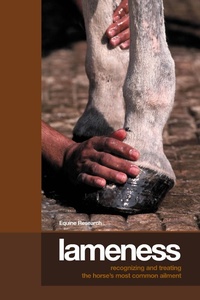
Lameness
Recognizing And Treating The Horse's Most Common Ailment
Published on 1. April 2005
1048 pages
978-1-4617-4972-1 (ISBN)
Description

Lameness, one of the most common and most troublesome of all equine ailments, remains the primary reason why horses are unable to fulfill their potential and their riders' and trainers' expectations. More preparation time is lost, more competitions are missed, and more careers are prematurely ended because of lameness than any other condition.
This book analyzes the causes, diagnoses, and management of the myriad causes of lameness:
--Defining and identifying the lame leg; spotting gait abnormalities and non-muscular causes; physical examinations and evaluations; diagnostic tools and other tests; the role of the veterinarian and farrier in pre-purchase examinations.
--Physical therapies; the applicability of rest, medications, and other veterinary procedures.
--Hoof conformation and shoeing options.
--Joint, bone, muscle, and tendon and ligament problems.
--Neurological, dermatological, and developmental orthopedic causes of lameness.
--Treatment of specific conditions to the foot, pastern and fetlock, cannon and splint bones, knee, upper foreleg, hock, upper hind leg, and back.
No other book covers this vital subject in such a comprehensive and understandable fashion. For that reason, no other book deserves a more prominent place on the shelf of anyone who owns, trains, rides, or drives horses.
This book analyzes the causes, diagnoses, and management of the myriad causes of lameness:
--Defining and identifying the lame leg; spotting gait abnormalities and non-muscular causes; physical examinations and evaluations; diagnostic tools and other tests; the role of the veterinarian and farrier in pre-purchase examinations.
--Physical therapies; the applicability of rest, medications, and other veterinary procedures.
--Hoof conformation and shoeing options.
--Joint, bone, muscle, and tendon and ligament problems.
--Neurological, dermatological, and developmental orthopedic causes of lameness.
--Treatment of specific conditions to the foot, pastern and fetlock, cannon and splint bones, knee, upper foreleg, hock, upper hind leg, and back.
No other book covers this vital subject in such a comprehensive and understandable fashion. For that reason, no other book deserves a more prominent place on the shelf of anyone who owns, trains, rides, or drives horses.
More details
Other editions
Additional editions
Christine King | Richard Dr. Mansmann
Lameness
Recognizing And Treating The Horse's Most Common Ailment
Book
06/2005
The Lyons Press
€56.00
Shipment within 3-4 weeks
Persons
Equine Research is a respected publisher of horse-related academic and popular books. Its reference works include the contributions of this country's most authoritative veterinarians and other experts in their respective fields.
Content
- Lameness
- Contents
- SECTION I INVESTIGATING LAMENESS
- CHAPTER 1 DEFINING LAMENESS
- Elements of Lameness
- Pain
- Mechanical Restriction of Movement
- Gait Abnormalities Often Confused With Lameness
- Identifying the Lame Leg
- Abnormal Stance
- Using Sound
- Observations of Motion
- Specific Gait Abnormalities
- Shoulder Lameness
- Non-Musculoskeletal Causes of Lameness
- Pleuritis
- Fractured Ribs
- Painful Ovaries
- Mastitis
- Scrotal Problems
- CHAPTER 2 LAMENESS EVALUATION
- History
- Record-Keeping
- Physical Examination
- Examining the Feet
- Palpation and Manipulation
- Gait Evaluation
- Lameness Grading System
- Flexion Tests
- Diagnostic Tools & Techniques
- Regional (Local) Anesthesia
- Radiography (X-Rays)
- Ultrasonography (Ultrasound)
- Nuclear Scintigraphy (Bone Scan)
- Arthrocentesis (Joint Tap)
- Bacterial Culture and Antibiotic Sensitivity
- Other Tests
- LAMENESS EVALUATION
- CHAPTER 3 PREPURCHASE EXAMINATIONS
- Preliminary Comments
- Veterinarian's Role
- Farrier's Role
- Before the Examination
- The Prepurchase Examination
- Examination at Rest
- Examination While Led or Longed
- Examination While Ridden or Driven
- Additional Tests
- Radiography
- Other Imaging Procedures
- Blood Tests
- The Prepurchase Report
- SECTION II PRINCIPLES OF THERAPY
- CHAPTER 4 PHYSICAL THERAPIES
- Rest
- Restriction Phase
- Regeneration Phase
- Rehabilitation Phase
- Light Exercise as Therapy
- Bandaging & Splinting
- Materials
- Bandaging Techniques
- Monitoring and Changing the Bandage
- Splinting Techniques
- Specific Physical Therapies
- Heat Therapy
- Hydrotherapy
- Massage
- Passive Motion Exercises
- Chiropractic Manipulation
- Acupuncture
- Homeopathy
- Therapeutic Ultrasound
- Laser Therapy
- Magnetic Field Therapy
- Electrical Tissue Stimulation
- Routine Foot Care
- Assessing the Digital Pulses
- Environment
- Daily Hoof Care
- Hoof "First-Aid
- Hoof Treatments
- Disease Control
- Managing Infected Wounds
- Isolation
- Hygiene and Disinfection
- Rabies
- CHAPTER 5 MEDICATIONS
- Anti-inflammatory Therapy
- The Process of Inflammation
- Physical Anti-Inflammatory Therapies
- Anti-Inflammatory Drugs
- Combination Therapies
- Tetanus Vaccination
- Tetanus Toxoid and Antitoxin
- Vaccination Schedule
- Antibiotics
- Choice of Antibiotic
- Administration Issues
- Potentially Harmful Effects
- Joint Medications
- Cartilage Damage
- Medical Options
- CHAPTER 6 VETERINARY PROCEDURES
- Joint Lavage
- Technique
- Surgery
- Arthroscopic Surgery
- Surgical Repair of Fractures
- Casts
- Cast Maintenance
- Cast Removal
- SECTION III DISEASE PROCESSES & THEIR MANAGEMENT
- CHAPTER 7 HOOF CONFORMATION & SHOEING OPTIONS
- Normal Foot Structure
- Hoof Wall
- Sole, Frog, and Deeper Structures
- Influence of Conformation
- Assessing Limb Conformation
- Altering Limb Conformation
- Hoof Balance
- Movement
- Shoeing for Support
- Heel Support
- Wall Support
- Sole Support
- Using the Frog for Support
- Shoeing Options
- Keg Shoes
- Bar Shoes
- Other Modifications
- Traction Devices
- CHAPTER 8 JOINT PROBLEMS
- Joint Structure
- Cartilage
- Joint Fluid
- Supporting Structures
- Synovitis & DJD
- Definitions and Causes
- Signs
- Diagnosis
- Treatment
- Prognosis
- Prevention
- Septic Arthritis
- Definition
- Causes
- Signs
- Diagnosis
- Treatment
- Prognosis
- Wounds Around Joints
- Luxation (Dislocation)
- Management
- Prognosis
- Lyme Disease
- CHAPTER 9 BONE PROBLEMS
- Structure & Function
- Functions
- Bone Responses to Stress
- Normal Responses
- Abnormal Responses
- Factors That Influence Bone Quality
- Fractures
- Definitions
- Causes
- Signs
- Diagnosis
- Treatment
- Complications
- Rehabilitation After Fracture Repair
- Prognosis
- Osteomyelitis
- Definition
- Superficial Osteomyelitis
- Osteomyelitis at a Fracture Site
- Osteomyelitis in Young Foals
- Other Bone Conditions
- Nutritional Secondary Hyperparathyroidism
- Rickets
- Hypertrophic Osteopathy
- CHAPTER 10 MUSCLE PROBLEMS
- Structure & Function
- Muscle Responses
- Muscle Spasms
- Muscle Atrophy
- Muscle Hypertrophy
- Myositis and Myopathy
- Muscle Injuries
- Strains and Tears
- Lacerations
- Fibrotic Myopathy
- Compartment Syndrome
- Metabolic Muscle Problems
- Exertional Rhabdomyolysis ("Tying up")
- Polysaccharide Storage Myopathy
- Heat-Related Myopathy
- Hypocalcemia
- Miscellaneous Conditions
- Intramuscular Injection Reactions
- Bacterial Myositis
- Strep. equi Myopathy
- Hyperkalemic Periodic Paralysis (HPP)
- White Muscle Disease
- CHAPTER 11 TENDON & LIGAMENT INJURIES
- Structure & Function
- Digital Flexor Tendons
- Suspensory Ligament
- Extensor Tendon
- Tendonitis (Bowed Tendon)
- Definition
- Causes
- Signs
- Diagnosis
- Treatment
- Prognosis
- Prevention
- Tendon Lacerations & Rupture
- Flexor Tendons
- Extensor Tendon Lacerations
- Tenosynovitis
- Definition
- Causes
- Signs
- Diagnosis
- Treatment
- Prognosis
- Septic Tenosynovitis
- Definition and Causes
- Signs
- Diagnosis
- Treatment
- Prognosis
- Check Ligament Injuries
- Suspensory Ligament Damage
- Definition
- Causes
- Suspensory Branch Desmitis
- Suspensory Origin Desmitis
- CHAPTER 12 NEUROLOGIC CAUSES OF LAMENESS
- Structure & Function
- Neurons
- Responses to Injury or Disease
- Assessing the Nervous System
- History and Physical Examination
- Neurologic Examination
- Diagnostic Tests
- Brain & Spinal Cord Conditions
- Trauma
- Cervical Vertebral Malformation ("Wobbler" Syndrome)
- Equine Protozoal Myeloencephalitis (EPM)
- Equine Herpesvirus type 1 Myeloencephalitis
- Equine Degenerative Myelopathy (EDM)
- Rabies
- Other Conditions
- Conditions Involving Nerves
- Trauma
- Stringhalt
- Cauda Equina Neuritis
- Equine Motor Neuron Disease (EMND)
- Other Conditions
- CHAPTER 13 LAMENESS CAUSED BY SKIN PROBLEMS
- Wounds
- Wound Healing
- Managing Specific Types of Wounds
- Dermatitis
- Bacterial Dermatitis ("Scratches")
- Vesicular Stomatitis
- Immune-Related Skin Disorders
- Limb Edema
- Stocking Up
- Cellulitis
- Vasculitis
- Ulcerative Lymphangitis ("Big Leg")
- CHAPTER 14 DEVELOPMENTAL ORTHOPEDIC DISORDERS
- Normal Bone Development
- Factors Common to Most DODs
- Growth Rate and Body Size
- Exercise
- Diet
- General Management & Prevention
- Specific Preventive Measures
- Angular Limb Deformities
- Definitions
- Causes
- Signs
- Diagnosis
- Treatment
- Prognosis
- Prevention
- Flexural Limb Deformities
- Structure of the Flexor Unit
- Flexor Laxity
- Flexor Contracture
- Physitis
- Definition
- Causes
- Signs
- Diagnosis
- Treatment
- Prognosis and Prevention
- Osteochondrosis
- Definition
- Causes
- Excessive Load
- Manifestations
- Signs
- Diagnosis
- Treatment
- Prognosis
- Prevention
- Osteochondroma
- SECTION IV TREATMENT OF SPECIFIC CONDITIONS
- CHAPTER 15 THE FOOT
- Navicular Syndrome
- Definition
- Causes
- Signs
- Diagnosis
- Treatment
- Prognosis
- Navicular Bone Fractures
- Causes
- Signs
- Diagnosis
- Treatment
- Prognosis
- Laminitis
- Definition
- Causes
- Signs
- Diagnosis
- Treatment
- Prognosis
- Prevention
- Chronic Laminitis
- Pedal Osteitis
- Pedal Bone Fractures
- Wing Fractures in Foals
- Extensor Process Fractures
- Managing Other Pedal Bone Fractures
- Prognosis
- Coffin Joint Arthritis (DJD)
- Puncture Wounds
- First Aid Management
- Veterinary Treatment
- Prognosis
- Sole Bruises
- Typical Sole Bruises
- Corns
- Foot Abscesses
- Subsolar Abscesses
- Hoof Wall Abscesses ("Gravel")
- White Line Disease ("Seedy Toe")
- Causes
- Treatment
- Keratoma
- Quarter Cracks
- Management
- Lacerations & Avulsions
- Coronary Band Lacerations
- Hoof Wall Avulsions
- Other Conditions
- Thrush
- Canker
- Sheared Heels
- Sidebone
- Quittor
- CHAPTER 16 THE PASTERN & FETLOCK
- Ringbone
- Definition
- Causes
- Signs and Diagnosis
- Treatment
- Prognosis
- Pastern Fractures
- Sagittal Fractures
- Comminuted Fractures
- Avulsion Fractures
- Chip Fractures
- Definition and Causes
- Signs and Diagnosis
- Treatment
- Prognosis
- Palmar Process Fractures
- Definition and Cause
- Signs and Diagnosis
- Treatment and Prognosis
- Fetlock DJD
- Osselets
- Flattening of the Bottom of the Cannon Bone
- Sesamoiditis
- Definition
- Causes
- Signs
- Diagnosis
- Treatment
- Prognosis
- Prevention
- Sesamoid Fractures
- Definitions and Causes
- Signs and Diagnosis
- Treatment
- Prognosis
- Distal Sesamoidean Ligament Damage
- Definition and Causes
- Signs and Diagnosis
- Treatment
- Prognosis
- Prevention
- Annular Ligament Constriction
- Definition and Causes
- Signs
- Diagnosis
- Treatment
- Prognosis
- Breakdown" Injuries
- Conditions Resulting in "Breakdown
- First-Aid Care
- Suspensory Ligament Degeneration
- CHAPTER 17 THE CANNON & SPLINT BONES
- Bucked Shins
- Definition
- Cause
- Signs
- Diagnosis
- Treatment and Prevention
- Prognosis
- Incomplete ("Stress") Fractures
- Dorsal Stress Fractures
- Palmar Stress Fractures
- Vertical (Condylar) Fractures
- Definition and Causes
- Signs and Diagnosis
- Treatment
- Prognosis
- Complete Cannon Bone Fractures
- Management Problems
- Splints
- Definitions
- Causes
- Signs and Diagnosis
- Treatment
- Prognosis
- Splint Bone Fractures
- Definition and Causes
- Signs and Diagnosis
- Treatment
- Prognosis
- CHAPTER 18 THE KNEE
- Structure & Function
- Bones
- Joints
- Supporting Structures
- Joint Mobility
- Swelling at the Front of the Knee
- Problems Outside the Joint Capsule
- Problems Within the Joints
- Swelling at the Back of the Knee
- Carpal Canal Syndrome
- Accessory Carpal Bone Fractures
- Other Conditions
- CHAPTER 19 THE UPPER FORELEG
- Radius
- Radial Fractures
- Elbow
- Fractures
- Degenerative Joint Disease
- Capped Elbow
- Humerus
- Humeral Fractures
- Radial Nerve Paralysis
- Bicipital Bursitis
- Shoulder
- Osteochondrosis (Including OCD)
- Degenerative Joint Disease
- Shoulder Blade (Scapular) Fractures
- Sweeney
- CHAPTER 20 THE HOCK
- Conditions of the Hock Joints
- Bog Spavin
- Osteochondrosis (Including OCD)
- Bone Spavin
- Dislocation of the Hock
- Tarsal Bone Fractures
- Slab Fractures
- Maleolus Fractures
- Calcaneus Fractures
- Conditions at the Back of the Hock
- Capped Hock
- Achilles Tendon Injuries
- Thoroughpin
- Curb
- Other Conditions
- Extensor Tenosynovitis
- Cunean Bursitis
- Stringhalt
- Wounds at the Front of the Hock
- CHAPTER 21 THE UPPER HINDLEG
- Tibia
- Tibial Fractures
- Peroneus Tertius Rupture
- Fibula
- Stifle
- Structure and Function
- Gonitis
- Osteochondrosis (Including OCD)
- Patella Problems
- Cruciate Ligament Injuries
- Meniscus Injuries
- Calcinosis Circumscripta
- Femur
- Femoral Fractures
- Dislocation of the Hip
- Trochanteric Bursitis
- Pelvis
- Pelvic Fractures
- Miscellaneous Conditions
- Exertional Rhabdomyolysis (Tying Up)
- Fibrotic Myopathy
- Aorto-iliac Thrombosis
- CHAPTER 22 THE BACK
- Structure & Function
- Vertebrae
- Intervertebral Joints
- Muscles and Mobility
- Spinal Nerves and Reflexes
- Neck & Back Pain
- Identifying the Problem
- Treatment Options
- Specific Conditions
- Neck Pain
- Pain Over the Withers
- Midback Pain
- Pain Over the Loins and Rump
- Flip-Over Injuries
- Injury to the Tail Base
- Injury to the Rump or Withers
- Injury to the Poll
- Whiplash Injury
- APPENDIX
- Parts of the Horse
- Skeleton of the Horse
- Directional Terms
- Conversion Tables
- Alternate Anatomic Terms
- List of Abbreviations
- Degrees of Lameness
- Understanding the Prognosis
- Bibliography
- Figure Credits
- Glossary
- Index
