

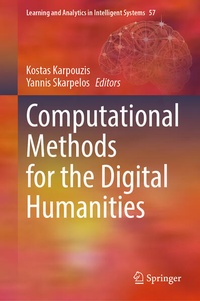
Computational Methods for the Digital Humanities
Description

This book brings together original contributions that demonstrate how computational methods are redefining humanistic research. It offers practical, critical, and theoretical perspectives on applying digital tools to complex cultural, social, and ethical questions. From AI ethics and immersive heritage narratives to visual sentiment analysis and political speech mining, the book presents diverse case studies with interdisciplinary relevance. Unlike typical manuals or introductory surveys, it emphasizes both innovation and critique, bridging technical proficiency and critical reflection. Aimed at scholars, educators, digital humanists, and advanced students, the book serves as a guide to current debates and applications in computational humanities. Ideal for research, teaching, and institutional reflection, the volume promotes inclusive, ethically aware approaches to cultural data and algorithmic interpretation.
More details
Other editions
Additional editions
Content
.- Cultural and emotional grounds for image choice in Twitter: The case of #omicron variant.- Digital storytelling and first-person narratives in heritage interpretation: An overview.- Controlled Vocabulary Editor: SKOS vocabularies without SKOS training.- AI, Digital Humanities, and the Legacies of Colonial Power, etc.
