

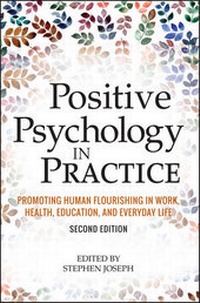
Positive Psychology in Practice
Promoting Human Flourishing in Work, Health, Education, and Everyday Life
2nd Edition
Published on 9. March 2015
896 pages
978-1-118-75717-8 (ISBN)
Description

The best minds in positive psychology survey the state of the field
Positive Psychology in Practice, Second Edition moves beyond the theoretical to show how positive psychology is being used in real-world settings, and the new directions emerging in the field. An international team of contributors representing the best and brightest in the discipline review the latest research, discuss how the findings are being used in practice, explore new ideas for application, and discuss focus points for future research. This updated edition contains new chapters that explore the intersection between positive psychology and humanistic psychology, salugenesis, hedonism, and eudaimonism, and more, with deep discussion of how the field is integrating with the new areas of self-help, life coaching, social work, rehabilitation psychology, and recovery-oriented service systems.
This book explores the challenges and opportunities in the field, providing readers with the latest research and consensus on practical application.
* Get up to date on the latest research and practice findings
* Integrate positive psychology into assessments, life coaching, and other therapies
* Learn how positive psychology is being used in schools
* Explore possible directions for new research to push the field forward
Positive psychology is being used in areas as diverse as clinical, counseling, forensic, health, educational, and industrial/organizational settings, in a wide variety of interventions and applications. Psychologists and other mental health professionals who want to promote human flourishing and well-being will find the second edition of Positive Psychology in Practice to be an informative, comprehensive guide.
More details
Other editions
Additional editions
Stephen Joseph
Positive Psychology in Practice
Promoting Human Flourishing in Work, Health, Education, and Everyday Life
Book
05/2015
2nd Edition
Wiley
€114.50
Shipment within 15-20 days
Person
STEPHEN JOSEPH, PhD, is a Professor in the School of Education at the University of Nottingham, UK, where he teaches and researches counseling and psychotherapy, positive psychology, and psychological trauma. Joseph specialized in health and counseling psychology, teaching at the University of Warwick before moving to Nottingham in 2006. He is registered as both a psychotherapist and as a coaching psychologist.
Content
- Cover
- Title Page
- Copyright
- Contents
- Preface
- Acknowledgments
- Chapter 1 Applied Positive Psychology 10 Years On
- The Content of This Volume
- References
- Part I Historical and Philosophical Foundations
- Chapter 2 Historical, Philosophical, and Epistemological Perspectives
- The Agenda of Positive Psychology
- Positive Psychology and the Aristotelian Foundation
- The Place of Social and Moral Motivation Within Positive Psychology
- Positive Psychology and the Universalistic Perspective
- Positive Psychology and Humanistic and Existential Psychology
- The Paradigm of Growth and Optimal Functioning and Positive Psychology's Research and Practice: Concluding Remarks
- Summary Points
- References
- Chapter 3 Building Bridges Between Humanistic and Positive Psychology
- Brief History of Humanistic Psychology
- From Hedonic to Eudaimonic Well-Being
- Epistemology and Methodology in Positive and Humanistic Psychology
- Virtue Theory
- Conclusion
- Summary Points
- References
- Chapter 4 Existential Dimensions of Positive Psychology
- The Internal Diversity of the Existential Approach
- The Diffuse Influence of Existential Thinking
- The Existential Emphasis on Tragedy
- Methodological Incompatibility
- Positive Psychology and Existential Thought in Practical Collaboration
- Conclusion
- Summary Points
- References
- Chapter 5 The Salutogenic Paradigm
- Two Different Paradigms
- The Sense of Coherence Concept
- Sense of Coherence and Health
- Practical Implications
- Conclusion
- Summary Points
- References
- Part II Values and Choices in Pursuit of the Good Life
- Chapter 6 The Science of Values in the Culture of Consumption
- The Associations of Intrinsic and Extrinsic Aspirations With the Good Life
- Implications for Practice
- Conclusion
- Summary Points
- References
- Chapter 7 Values and Well-Being
- The Content Perspective: Healthy and Unhealthy Values
- The Process Perspective: Goal Attainment
- The Context Perspective: Person-Environment Value Congruency
- Multiple Paths Toward Happiness
- Conclusion
- Summary Points
- References
- Chapter 8 The Paradox of Choice
- Choice Overload and Paralysis
- The Goals of Choice: Maximizing and Satisficing
- Choice and Well-Being: Why People Suffer
- Freedom," "Choice," "Autonomy," and the "Self
- Conclusion: Freedom From and Freedom To
- Summary Points
- References
- Chapter 9 A Self-Determination Theory Perspective on Fostering Healthy Self-Regulation From Within and Without
- The Nature of Autonomous Regulation
- Facilitating Autonomous Functioning Through Social Support
- Facilitating Autonomous Regulation From the Inside
- Conclusion
- Summary Points
- References
- Chapter 10 The Complementary Roles of Eudaimonia and Hedonia and How They Can Be Pursued in Practice
- Different Categories of Definitions and Common Elements Across Definitions
- Hedonic and Eudaimonic Orientations-The Category of Analysis Focused on Here
- Empirical Findings
- The Complementary Natures of Hedonia and Eudaimonia
- Steps Toward Eudaimonia and Hedonia
- Steps Toward Eudaimonia
- Steps Toward Hedonia
- Conclusion
- Summary Points
- Measures for Assessing the Outcomes of Practicing Eudaimonia or Hedonia
- References
- Part III Practices for Health and Well-Being
- Chapter 11 The Prospects, Practices, and Prescriptions for the Pursuit of Happiness
- Pessimism (and Optimism) Regarding the Intentional Pursuit of Happiness
- Putting the Evidence Together: Happiness Can Be Increased
- Optimal Conditions for Positive Activity Success
- Positive Activities and Health
- Positive Activities and Work
- Positive Activities and Relationships
- Conclusion
- Summary Points
- References
- Chapter 12 Putting Positive Psychology Into Motion Through Physical Activity
- Physical Activity and Mental Health
- Mechanisms: A Process Orientation
- How Can People Get More Active?
- Conclusion
- Summary Points
- References
- Chapter 13 Balancing Time Perspective in Pursuit of Optimal Functioning
- Measurement of Time Perspective
- Time Perspective Profiles and Findings From Time Perspective Research
- Balanced Time Perspective
- Time Perspective and Well-Being
- Applications of Time Perspective Research
- Conclusion
- Summary Points
- References
- Chapter 14 Putting Positive Psychology Into Practice via Self-Help
- Translating PPIs for Use in the Real World: Some Caveats
- Examples of Existing Self-Help PPIs
- Challenges of Using PPIs in the Real World
- Conclusion
- Summary Points
- References
- Chapter 15 Positive Psychology and Life Coaching
- What Is Life Coaching?
- Research on Life Coaching
- Positive Psychology and Life Coaching: Made for Each Other
- An Integrative Framework for Positive Psychology and Life Coaching
- Conclusion
- Summary Points
- References
- Part IV Methods and Processes of Teaching and Learning
- Chapter 16 Different Approaches to Teaching Positive Psychology
- Approaches to Teaching Positive Psychology
- Future Directions
- Conclusion
- Summary Points
- References
- Chapter 17 Positively Transforming Classroom Practice Through Dialogic Teaching
- Dialogic Teaching: Definitions, Theory, and Evidence
- Professional Development in Dialogic Teaching
- Conclusion
- Summary Points
- References
- Chapter 18 Teaching Well-Being and Resilience in Primary and Secondary School
- What Is Positive Education?
- Positive Education From a Historical Perspective
- Current Positive Education Initiatives in Primary and Secondary Schools
- Toward Optimization of Positive Educational Initiatives
- Conclusion
- Summary Points
- References
- Chapter 19 Cultivating Adolescents' Motivation
- Understanding Program Leaders' Motivational Strategies in Context
- Methods Used for Studying Practice
- Supporting Youth's Sense of Individual and Collective Efficacy: Addressing Doubt
- Supporting Relationships: Facilitating Belonging, Camaraderie, and Collective Flow
- Conclusion
- Summary Points
- References
- Part V Positive Psychology at Work
- Chapter 20 Bringing Positive Psychology to Organizational Psychology
- Positive Organizational Psychology
- Applying Positive Psychology to Organizations
- Organizations as Economies of Strengths
- Leadership and Ethics
- Conclusion
- Summary Points
- References
- Chapter 21 Improving Follower Well-Being With Transformational Leadership
- Transformational Leadership
- Well-Being
- Mediators of the Effects of Transformational Leadership on Follower Well-Being
- Conservation of Resources Theory
- Directions for Future Research
- Implications for Practice
- Conclusion
- Summary Points
- References
- Chapter 22 Applications of Positive Approaches in Organizations
- Well-Being at Work
- Professional Development
- Teamwork
- Positive Organizational Practices
- Organizational Development
- Conclusion
- Summary Points
- References
- Chapter 23 Leadership Coaching and Positive Psychology
- Executive Coaching: A Generation Change
- Toward a New Synthesis: Positive Psychology and Coaching
- Some Techniques Used by Coaches
- Psychometric Assessment
- State of Coaching Research
- Future Research Directions
- Conclusion
- Summary Points
- References
- Part VI Health, Clinical, Counseling, and Rehabilitation
- Chapter 24 Complementary Strengths of Health Psychology and Positive Psychology
- Health Psychology and Positive Psychology
- Positive Psychology and Health Outcomes
- Positive Psychology Interventions
- Assessment of Positive Constructs in Health Settings
- Future Directions
- Conclusion
- Summary Points
- References
- Chapter 25 Deconstructing the Illness Ideology and Constructing an Ideology of Human Strengths and Potential in Clinical Psychology
- The Illness Ideology and Clinical Psychology
- Historical Roots of the Illness Ideology in Clinical Psychology
- The Social Construction of Psychological Wellness and Illness
- The Illness Ideology and the Categories Versus Dimensions Debate
- Social Constructionism and Science in Clinical Psychology
- Beyond the Illness Ideology: Positive Clinical Psychology
- Conclusion
- Summary Points
- References
- Chapter 26 The Relationship Between Counseling Psychology and Positive Psychology
- Development and Identity of Counseling Psychology
- Counseling Psychology and Positive Psychology: A Fruitful Dialogue?
- Positive Psychology in Counseling Psychology Practice
- Conclusion
- Summary Points
- References
- Chapter 27 Positive Psychology in Rehabilitation Psychology Research and Practice
- How Is Rehabilitation Psychology Related to Positive Psychology and "The Good Life"?
- Current State of Research in Rehabilitation Psychology
- How Is Positive Psychology Applied in Rehabilitation Practice?
- Outlook and Future Directions
- Conclusion
- Summary Points
- References
- Part VII Contexts of Clinical Practice
- Chapter 28 Clinical Applications of Well-Being Therapy
- The Complexity of Well-Being in Clinical Settings
- Protocol of Well-Being Therapy
- Conceptual Framework of Well-Being Therapy
- Validation Studies
- Potential Mechanisms of Action and Case Studies
- Conclusion
- Summary Points
- References
- Chapter 29 Strategies for Accentuating Hope
- Hope Theory
- Hope Finding
- Hope Bonding
- Hope Enhancing
- Hope Reminding
- Cultural Considerations When Implementing Hope Strategies
- Concluding Comments and Recommendations
- Summary Points
- References
- Chapter 30 Clinical Applications of Posttraumatic Growth
- The Concept of Posttraumatic Growth
- The Paradoxical Changes of Posttraumatic Growth
- The Process of Posttraumatic Growth
- Ways Clinicians Can Facilitate the Process of Posttraumatic Growth
- Utilizing a Model of Posttraumatic Growth Integrated With Trauma Treatment
- The Clinician's Gain
- Summary Points
- References
- Chapter 31 Strength-Based Assessment
- Strength-Based Assessment
- Illustrations of Strength-Based Assessment in Clinical Settings
- Strength-Based Assessment: Recommendations for Clinical Practice
- Conclusion
- Summary Points
- References
- Part VIII Inner Resources and Positive Development Across the Life Span
- Chapter 32 The Ability Model of Emotional Intelligence
- Precursors to a Theory of Emotional Intelligence
- A Four-Branch Ability Model of Emotional Intelligence
- Conclusion
- Summary Points
- References
- Chapter 33 The Power and Practice of Gratitude
- A Brief History of Research on Gratitude
- Conceptualizations of Gratitude as a Moral Affect
- Review of Social Scientific Research on Gratitude
- Gratitude as an Affective Trait: Measures and Correlates
- Interventions to Promote Gratitude
- Obstacles to Promoting Gratitude: Intervention Moderators
- Creative Applications for Gratitude Interventions
- Using Gratitude to Improve Coping and Resiliency
- How Is Gratitude Related to the Good Life?
- Guidelines for the Empirical Study of Gratitude and Gratitude Interventions
- Future Directions for Research on Gratitude and Gratitude Interventions
- Conclusion
- Summary Points
- References
- Chapter 34 Wisdom-Related Knowledge Across the Life Span
- Defining Wisdom
- The Development of Wisdom-Related Knowledge: Theoretical Ideas
- Age Differences in Wisdom-Related Knowledge: Empirical Evidence
- Wisdom as the Successful Integration of Cognition and Emotion
- Wisdom as the Successful Integration of Cognition and Motivation
- Emotional-Motivational Elements of Wisdom: Empirical Evidence
- Conclusion
- Summary Points
- References
- Chapter 35 Positive Aging
- A Research Definition of Healthy Aging
- Clinical Examples
- Six Variables That Predict Positive Aging
- Seven Factors That Predict Positive Aging
- Conclusion
- Summary Points
- References
- Part IX Building Community Through Integration and Regeneration
- Chapter 36 Psychological and Relational Resources in the Experience of Disability and Caregiving
- Theoretical Framework
- In Their Own Voice: Challenges and Resources of Caretakers and Caregivers
- Suggestions for a Resource-Focused Practice
- Conclusion
- Summary Points
- References
- Chapter 37 Good Lives and the Rehabilitation of Sex Offenders
- What Should a Rehabilitation Theory Look Like?
- Good Lives Model of Offender Rehabilitation
- Implications for the Assessment of Sexual Offenders
- Implications for the Treatment of Sexual Offenders
- Updates
- Conclusion
- Summary Points
- References
- Chapter 38 Facilitating Forgiveness Using Group and Community Interventions
- What Is Forgiveness?
- Forgiveness and Well-Being
- Applied Research on Forgiveness
- Toward a Comprehensive, Evidence-Based Model for Facilitating Forgiveness
- Facilitating Forgiveness
- Conclusion
- Summary Points
- References
- Chapter 39 The Interface Between Positive Psychology and Social Work in Theory and Practice
- Positive Psychology and Social Work-Definitions and Missions
- Personal and Psychological Strengths in Positive Psychology and the Strength Perspective in Social Work
- Domestic Violence From a Strength Perspective
- The Strength Perspective and Recovery in Mental Health
- Future Directions
- Conclusion
- Summary Points
- References
- Chapter 40 Building Recovery-Oriented Service Systems Through Positive Psychology
- What Is Recovery?
- Recovery and Positive Psychology as Mainstream Movements
- Positive Interventions in a Recovery-Oriented System
- Evidence for Positive Interventions
- Combining Positive Interventions and Recovery-Consistent Interventions: Potential Applications
- Recovery-Oriented Mental Health Systems
- Suggestions for Future Research
- Conclusion
- Summary Points
- References
- Part X Public Policy and Systems for Resilience and Social Planning
- Chapter 41 Balancing Individuality and Community in Public Policy
- Who Is Happy?
- Money and Happiness
- The Need to Belong
- Close Relationships and Happiness
- Is Inequality Socially Toxic?
- Conclusion
- Summary Points
- References
- Chapter 42 Happiness as a Priority in Public Policy
- Introduction
- Research on Happiness
- Is Happiness a Practicable Goal?
- Can Happiness Be Manufactured?
- Is Happiness a Desirable Outcome?
- Conclusion
- Summary Points
- References
- Chapter 43 Positive Social Planning
- The Global Outbreak of Social Positivity
- National and Global-Level Conceptions of Social Progress
- Positive Psychology and Social Quality
- Ethics: On Social Values and the Rethinking of Prosperity
- The Social Well-Being Matrix: A Tool for Describing and Analyzing Social Quality
- Linking Social Quality With Mental Thriving
- Normative Considerations: What Can and Should We Do About Positive Social Qualities?
- The Intrinsic Value and Plausibility of Positive Social Appreciation
- Conclusion: Gross National Happiness in Bhutan
- Summary Points
- References
- Chapter 44 Resilience Theory and the Practice of Positive Psychology From Individuals to Societies
- Resilience and Related Concepts
- Resilience and Practice
- Conclusion
- Summary Points
- References
- Part XI Signposts for the Practice of Positive Psychology
- Chapter 45 The Role of Embodiment in Optimal Functioning
- Understanding Embodiment
- Becoming Embodied: Practical Applications
- Conclusion
- Summary Points
- References
- Chapter 46 The Uneasy-and Necessary-Role of the Negative in Positive Psychology
- The Hazy Place of the Negative in Positive Psychology
- Integrating the Negative Into Today's Positive Psychology
- Conclusion
- Summary Points
- References
- Chapter 47 The Future of Positive Psychology in Practice
- Integration and Isolation
- From Languishing to Flourishing
- Theory Into Practice
- Conclusion
- Summary Points
- About the Editor
- Contributors
- Author Index
- Subject Index
- EULA
