

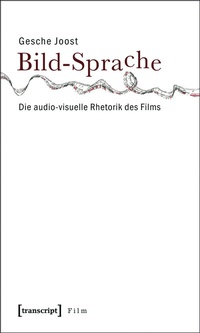
Bild-Sprache
Die audio-visuelle Rhetorik des Films
1st Edition
Published on 15. July 2015
264 pages
978-3-8394-0923-7 (ISBN)
Description

Rhetorik, Design und Film werden in diesem Buch zusammengeführt, so dass eine Landkarte der visuellen Topik, der rhetorischen Stilmittel und der Affekterregung im Film entsteht. Mit dieser Kartographie der audio-visuellen Rhetorik erschließt das Buch Neuland für die interdisziplinäre Medientheorie und gibt Orientierung für Theoretiker ebenso wie Filmschaffende. Erstmals wird eine designspezifische Filmanalyse vorgestellt: ein visuelles Notationsverfahren, das rhetorische Strukturen des Films darstellbar macht - synchron zum laufenden Film. Diese transdisziplinäre Theorie eröffnet so neue Perspektiven auf das Medium Film.
Reviews / Votes
»[Das Buch perspektiviert] den Zusammenhang von Rhetorik und Film im Hinblick auf die verschiedenen Anwendungsmöglichkeiten einzelner rhetorischer Figuren in diesem Medium durchaus anschaulich und lässt sich als Ausgangspunkt weiterer Bemühungen zum Thema Rhetorik des Films gut verwenden.«More details
Other editions
Additional editions
Book
05/2008
1st Edition
transcript
€25.80
Article exhausted; check different version
Person
Content
1 - Inhalt [Seite 5]
2 - 1. Einführung [Seite 9]
2.1 - 1.1. Perspektiven einer aktuellen Rhetorik [Seite 15]
2.2 - 1.2. Potentiale der audio-visuellen Rhetorik [Seite 26]
2.3 - 1.3. Forschungsbericht [Seite 34]
2.3.1 - 1.3.1. Figurenlehren des Films [Seite 34]
2.3.2 - 1.3.2. Filmrhetoriken [Seite 40]
3 - 2. Film als Zeichensystem [Seite 51]
3.1 - 2.1. Die Achsen des Filmverstehens [Seite 51]
3.2 - 2.2. Visuelle Notation als Methode [Seite 56]
3.3 - 2.3. Visuell orientierte Modelle der Filmanalyse [Seite 61]
3.4 - 2.4. Das Notationssystem audio-visueller Rhetorik [Seite 67]
4 - 3. Die rhetorische Maschine [Seite 77]
4.1 - 3.1. Das Funktionsmodell [Seite 78]
4.1.1 - 3.1.1. Film als Medium [Seite 79]
4.1.2 - 3.1.2. Der »Autor« des Films, der Rhetor im Film [Seite 82]
4.1.3 - 3.1.3. Rhetor - Medium - Adressat [Seite 86]
4.1.4 - 3.1.4. Die Ränder der Rhetorik [Seite 93]
4.2 - 3.2. Die rhetorischen Techniken [Seite 96]
4.2.1 - 3.2.1. Visuelle Argumentationen [Seite 99]
4.2.2 - 3.2.2. Die affektive Adressierung des Publikums [Seite 107]
4.2.2.1 - 3.2.2.1. Affektübertragung durch Identifikation: Das Ethos [Seite 111]
4.2.2.2 - 3.2.2.2. Die Rolle des Pathos im Film [Seite 121]
4.3 - 3.3. Die Topik als Instrumentarium von Argumentation und Affekterregung [Seite 131]
4.3.1 - 3.3.1. Visuelle Topoi des Films: Das Gesicht [Seite 138]
4.4 - 3.4. Rhetorische Figuren im Film [Seite 147]
5 - 4. Eine Fallstudie zum Werk Sergej Eisensteins [Seite 155]
5.1 - 4.1. Exkurs: Die rhetorische Filmtheorie Eisensteins [Seite 155]
5.1.1 - 4.1.1. Kunst als massenwirksames Instrument [Seite 158]
5.1.2 - 4.1.2. Die Adressierung des Publikums [Seite 160]
5.1.3 - 4.1.3. Stilistische Konzepte Eisensteins: Die »Montage der Attraktionen« [Seite 164]
5.1.4 - 4.1.4. Pathos als Propaganda [Seite 169]
5.2 - 4.2. Filmanalysen: Die stummen Bilderwerke Eisensteins [Seite 173]
5.2.1 - 4.2.1. Affe, Eule, Bulldogge: Animalische Typisierungen [Seite 173]
5.2.2 - 4.2.2. Die Ekstase der Maschine in Die Generallinie [Seite 179]
5.2.3 - 4.2.3. Die Frauen von Odessa [Seite 185]
5.2.3.1 - 4.2.3.1. Die Wiederkehr der Frauen von Odessa [Seite 196]
5.2.4 - 4.2.4. Die Metamorphose des Diebs in Streik [Seite 203]
5.2.5 - 4.2.5. Kerenski versus Kornilow: Die visuelle Argumentation einer Niederlage in Oktober [Seite 211]
6 - 5. Resümee [Seite 217]
7 - Literaturverzeichnis [Seite 223]
7.1 - Zitierte Internetquellen [Seite 244]
7.2 - Filmverzeichnis [Seite 244]
8 - Anhang [Seite 247]
2 - 1. Einführung [Seite 9]
2.1 - 1.1. Perspektiven einer aktuellen Rhetorik [Seite 15]
2.2 - 1.2. Potentiale der audio-visuellen Rhetorik [Seite 26]
2.3 - 1.3. Forschungsbericht [Seite 34]
2.3.1 - 1.3.1. Figurenlehren des Films [Seite 34]
2.3.2 - 1.3.2. Filmrhetoriken [Seite 40]
3 - 2. Film als Zeichensystem [Seite 51]
3.1 - 2.1. Die Achsen des Filmverstehens [Seite 51]
3.2 - 2.2. Visuelle Notation als Methode [Seite 56]
3.3 - 2.3. Visuell orientierte Modelle der Filmanalyse [Seite 61]
3.4 - 2.4. Das Notationssystem audio-visueller Rhetorik [Seite 67]
4 - 3. Die rhetorische Maschine [Seite 77]
4.1 - 3.1. Das Funktionsmodell [Seite 78]
4.1.1 - 3.1.1. Film als Medium [Seite 79]
4.1.2 - 3.1.2. Der »Autor« des Films, der Rhetor im Film [Seite 82]
4.1.3 - 3.1.3. Rhetor - Medium - Adressat [Seite 86]
4.1.4 - 3.1.4. Die Ränder der Rhetorik [Seite 93]
4.2 - 3.2. Die rhetorischen Techniken [Seite 96]
4.2.1 - 3.2.1. Visuelle Argumentationen [Seite 99]
4.2.2 - 3.2.2. Die affektive Adressierung des Publikums [Seite 107]
4.2.2.1 - 3.2.2.1. Affektübertragung durch Identifikation: Das Ethos [Seite 111]
4.2.2.2 - 3.2.2.2. Die Rolle des Pathos im Film [Seite 121]
4.3 - 3.3. Die Topik als Instrumentarium von Argumentation und Affekterregung [Seite 131]
4.3.1 - 3.3.1. Visuelle Topoi des Films: Das Gesicht [Seite 138]
4.4 - 3.4. Rhetorische Figuren im Film [Seite 147]
5 - 4. Eine Fallstudie zum Werk Sergej Eisensteins [Seite 155]
5.1 - 4.1. Exkurs: Die rhetorische Filmtheorie Eisensteins [Seite 155]
5.1.1 - 4.1.1. Kunst als massenwirksames Instrument [Seite 158]
5.1.2 - 4.1.2. Die Adressierung des Publikums [Seite 160]
5.1.3 - 4.1.3. Stilistische Konzepte Eisensteins: Die »Montage der Attraktionen« [Seite 164]
5.1.4 - 4.1.4. Pathos als Propaganda [Seite 169]
5.2 - 4.2. Filmanalysen: Die stummen Bilderwerke Eisensteins [Seite 173]
5.2.1 - 4.2.1. Affe, Eule, Bulldogge: Animalische Typisierungen [Seite 173]
5.2.2 - 4.2.2. Die Ekstase der Maschine in Die Generallinie [Seite 179]
5.2.3 - 4.2.3. Die Frauen von Odessa [Seite 185]
5.2.3.1 - 4.2.3.1. Die Wiederkehr der Frauen von Odessa [Seite 196]
5.2.4 - 4.2.4. Die Metamorphose des Diebs in Streik [Seite 203]
5.2.5 - 4.2.5. Kerenski versus Kornilow: Die visuelle Argumentation einer Niederlage in Oktober [Seite 211]
6 - 5. Resümee [Seite 217]
7 - Literaturverzeichnis [Seite 223]
7.1 - Zitierte Internetquellen [Seite 244]
7.2 - Filmverzeichnis [Seite 244]
8 - Anhang [Seite 247]
