


Masters of the Universe
Hayek, Friedman, and the Birth of Neoliberal Politics - Updated Edition
1st Edition
Published on 28. July 2015
440 pages
978-1-4008-5183-6 (ISBN)
Description

How radical free-market ideas achieved mainstream dominance in postwar America and Britain
Based on archival research and interviews with leading participants in the movement, Masters of the Universe traces the ascendancy of neoliberalism from the academy of interwar Europe to supremacy under Reagan and Thatcher and in the decades since. Daniel Stedman Jones argues that there was nothing inevitable about the victory of free-market politics. Far from being the story of the simple triumph of right-wing ideas, the neoliberal breakthrough was contingent on the economic crises of the 1970s and the acceptance of the need for new policies by the political left. This edition includes a new foreword in which the author addresses the relationship between intellectual history and the history of politics and policy.
Fascinating, important, and timely, this is a book for anyone who wants to understand the history behind the Anglo-American love affair with the free market, as well as the origins of the current economic crisis.
Based on archival research and interviews with leading participants in the movement, Masters of the Universe traces the ascendancy of neoliberalism from the academy of interwar Europe to supremacy under Reagan and Thatcher and in the decades since. Daniel Stedman Jones argues that there was nothing inevitable about the victory of free-market politics. Far from being the story of the simple triumph of right-wing ideas, the neoliberal breakthrough was contingent on the economic crises of the 1970s and the acceptance of the need for new policies by the political left. This edition includes a new foreword in which the author addresses the relationship between intellectual history and the history of politics and policy.
Fascinating, important, and timely, this is a book for anyone who wants to understand the history behind the Anglo-American love affair with the free market, as well as the origins of the current economic crisis.
All prices
More details
Edition
Updated Edition
Language
English
Place of publication
Princeton, NJ
Publishing group
De Gruyter
Target group
Professional and scholarly
Edition type
Digital original
Product notice
Reflowable
Illustrations
1 table.
File size
1,80 MB
ISBN-13
978-1-4008-5183-6 (9781400851836)
Schweitzer Classification
Other editions
Additional editions
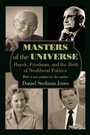
Daniel Stedman Jones
Masters of the Universe
Hayek, Friedman, and the Birth of Neoliberal Politics - Updated Edition
Book
07/2014
Princeton University Press
€25.00
Shipment within 10-20 days
Persons
Daniel Stedman Jones is a barrister in London. He was educated at the University of Oxford and at the University of Pennsylvania, where he earned a PhD in history. He has worked as a policy adviser for the New Opportunities Fund and as a researcher for Demos.
Content
Preface to the paperback edition ix
Acknowledgments xiii
Timeline xv
List of Abbreviations xvii
Introduction 1
The Three Phases of Neoliberalism 6
Neoliberalism and History 10
Transatlantic Neoliberal Politics 15
1.The Postwar Settlement 21
2.The 1940s: The Emergence of the Neoliberal Critique 30
Karl Popper and "The Open Society" 37
Ludwig von Mises and "Bureaucracy" 49
Friedrich Hayek and "The Road to Serfdom" 57
The Mont Pelerin Society and "The Intellectuals and Socialism" 73
3.The Rising Tide: Neoliberal Ideas in the Postwar Period 85
The Two Chicago Schools: Henry Simons, Milton Friedman, and Neoliberalism 89
The Enlightenment, Adam Smith and Neoliberalism 100
Economic and Political Freedom: Milton Friedman and Cold War Neoliberalism 111
The German Economic Miracle: Neoliberalism and the Soziale Marktwirtschaft 121
Regulatory Capture, Public Choice, and Rational Choice Theory 126
4.A Transatlantic Network: Think Tanks and the Ideological Entrepreneurs 134
The United States in the 1950s: Fusionism and the Cold War 138
British Conservatism in the 1950s 147
Neoliberal Organization in the 1950s and 1960s 152
The Second Wave: Free Market Think Tanks in the 1970s 161
Neoliberal Journalists and Politicians 173
Breakthrough? 178
5.Keynesianism and the Emergence of Monetarism, 1945-71 180
Keynes and Keynesianism 182
"A Little Local Difficulty": Enoch Powell's Monetarism 190
American Economic Policy in the 1960s 197
Milton Friedman's Monetarism 201
The Gathering Storm 212
6.Economic Strategy: The Neoliberal Breakthrough, 1971-84 215
The Slow Collapse of the Postwar Boom, 1964-71 217
Stagflation and Wage and Price Policies 225
The Heath Interregnum and the Neoliberal Alternative 230
The Left Turns to Monetarism, 1: Callaghan, Healey, and the IMF Crisis 241
The Left Turns to Monetarism, 2: Jimmy Carter and Paul Volcker's Federal Reserve 247
Thatcherite Economic Strategy 254
Reaganomics 263
Conclusion 269
7.Neoliberalism Applied? The Transformation of Affordable Housing and Urban Policy in the United States and Britain, 1945-2000 273
Postwar Low-Income Housing and Urban Policy in the United States 278
Postwar Low-Income Housing and Urban Policy in Britain 288
Jimmy Carter and the Limits of Government 295
Property-Owning Democracy and Individual Freedom: Housing and Neoliberal Ideas 297
The Reagan Administration 304
Council House Privatization: The Right to Buy Scheme 308
Transatlantic Transmissions: Reagan's Enterprise Zones 315
Hope VI, Urban Regeneration, and the Third Way 321
Conclusion 325
Conclusion The Legacy of Transatlantic Neoliberalism: Faith-Based Policy 329
Parallelisms: The Place of Transatlantic Neoliberal Politics in History 333
The Apotheosis of Neoliberalism? 338
Reason-Based Policymaking 343
Notes 347
Index 391
Acknowledgments xiii
Timeline xv
List of Abbreviations xvii
Introduction 1
The Three Phases of Neoliberalism 6
Neoliberalism and History 10
Transatlantic Neoliberal Politics 15
1.The Postwar Settlement 21
2.The 1940s: The Emergence of the Neoliberal Critique 30
Karl Popper and "The Open Society" 37
Ludwig von Mises and "Bureaucracy" 49
Friedrich Hayek and "The Road to Serfdom" 57
The Mont Pelerin Society and "The Intellectuals and Socialism" 73
3.The Rising Tide: Neoliberal Ideas in the Postwar Period 85
The Two Chicago Schools: Henry Simons, Milton Friedman, and Neoliberalism 89
The Enlightenment, Adam Smith and Neoliberalism 100
Economic and Political Freedom: Milton Friedman and Cold War Neoliberalism 111
The German Economic Miracle: Neoliberalism and the Soziale Marktwirtschaft 121
Regulatory Capture, Public Choice, and Rational Choice Theory 126
4.A Transatlantic Network: Think Tanks and the Ideological Entrepreneurs 134
The United States in the 1950s: Fusionism and the Cold War 138
British Conservatism in the 1950s 147
Neoliberal Organization in the 1950s and 1960s 152
The Second Wave: Free Market Think Tanks in the 1970s 161
Neoliberal Journalists and Politicians 173
Breakthrough? 178
5.Keynesianism and the Emergence of Monetarism, 1945-71 180
Keynes and Keynesianism 182
"A Little Local Difficulty": Enoch Powell's Monetarism 190
American Economic Policy in the 1960s 197
Milton Friedman's Monetarism 201
The Gathering Storm 212
6.Economic Strategy: The Neoliberal Breakthrough, 1971-84 215
The Slow Collapse of the Postwar Boom, 1964-71 217
Stagflation and Wage and Price Policies 225
The Heath Interregnum and the Neoliberal Alternative 230
The Left Turns to Monetarism, 1: Callaghan, Healey, and the IMF Crisis 241
The Left Turns to Monetarism, 2: Jimmy Carter and Paul Volcker's Federal Reserve 247
Thatcherite Economic Strategy 254
Reaganomics 263
Conclusion 269
7.Neoliberalism Applied? The Transformation of Affordable Housing and Urban Policy in the United States and Britain, 1945-2000 273
Postwar Low-Income Housing and Urban Policy in the United States 278
Postwar Low-Income Housing and Urban Policy in Britain 288
Jimmy Carter and the Limits of Government 295
Property-Owning Democracy and Individual Freedom: Housing and Neoliberal Ideas 297
The Reagan Administration 304
Council House Privatization: The Right to Buy Scheme 308
Transatlantic Transmissions: Reagan's Enterprise Zones 315
Hope VI, Urban Regeneration, and the Third Way 321
Conclusion 325
Conclusion The Legacy of Transatlantic Neoliberalism: Faith-Based Policy 329
Parallelisms: The Place of Transatlantic Neoliberal Politics in History 333
The Apotheosis of Neoliberalism? 338
Reason-Based Policymaking 343
Notes 347
Index 391

