

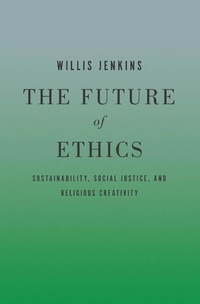
The Future of Ethics
Description

The Future of Ethics interprets the big questions of sustainability and social justice through the practical problems arising from humanity's increasing power over basic systems of life. What does climate change mean for our obligations to future generations? How can the sciences work with pluralist cultures in ways that will help societies learn from ecological change?
Traditional religious ethics examines texts and traditions and highlights principles and virtuous behaviors that can apply to particular issues. Willis Jenkins develops lines of practical inquiry through "prophetic pragmatism," an approach to ethics that begins with concrete problems and adapts to changing circumstances. This brand of pragmatism takes its cues from liberationist theology, with its emphasis on how individuals and communities actually cope with overwhelming problems.
Can religious communities make a difference when dealing with these issues? By integrating environmental sciences and theological ethics into problem-based engagements with philosophy, economics, and other disciplines, Jenkins illustrates the wide understanding and moral creativity needed to live well in the new conditions of human power. He shows the significance of religious thought to the development of interdisciplinary responses to sustainability issues and how this calls for a new style of religious ethics.
More details
Other editions
Additional editions
Person
Willis Jenkins is associate professor of religious studies, University of Virginia. He is the author of Ecologies of Grace: Environmental Ethics and Christian Theology, which won the 2009 Templeton Prize for Theological Promise.
Content
Preface
Introduction: Ethics in the Anthropocene
1. Atmospheric Powers: Climate Change and Moral Incompetence
2. Christian Ethics and Unprecedented Problems
3. Global Ethics: Moral Pluralism and Planetary Problems
4. Sustainability Science and the Ethics of Wicked Problems
5. Toxic Wombs and the Ecology of Justice
6. Impoverishment and the Economy of Desire
7. Intergenerational Risk and the Future of Love
Afterword: Sustaining Grace
Index
