

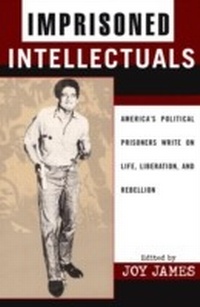
Imprisoned Intellectuals
America'S Political Prisoners Write on Life, Liberation, and Rebellion
1st Edition
Published on 1. September 2004
320 pages
978-0-585-45508-2 (ISBN)
Description

Prisons constitute one of the most controversial and contested sites in a democratic society. The United States has the highest incarceration rate in the industrialized world, with over 2 million people in jails, prisons, and detention centers; with over three thousand on death row, it is also one of the few developed countries that continues to deploy the death penalty. International Human Rights Organizations such as Amnesty International have also noted the scores of political prisoners in U.S. detention.
This anthology examines a class of intellectuals whose analyses of U.S. society, politics, culture, and social justice are rarely referenced in conventional political speech or academic discourse. Yet this body of outlawed "public intellectuals" offers some of the most incisive analyses of our society and shared humanity.
Here former and current U.S. political prisoners and activists-writers from the civil rights/black power, women's, gay/lesbian, American Indian, Puerto Rican Independence and anti-war movements share varying progressive critiques and theories on radical democracy and revolutionary struggle.
This rarely-referenced "resistance literature" reflects the growing public interest in incarceration sites, intellectual and political dissent for social justice, and the possibilities of democratic transformations. Such anthologies also spark new discussions and debates about "reading"; for as Barbara Harlow notes: "Reading prison writing must. . . demand a correspondingly activist counterapproach to that of passivity, aesthetic gratification, and the pleasures of consumption that are traditionally sanctioned by the academic disciplining of literature."-Barbara Harlow [1]
1. Barbara Harlow, Barred: Women, Writing, and Political Detention (New England: Wesleyan University Press, 1992).
Royalties are reserved for educational initiatives on human rights and U.S. incarceration.
This anthology examines a class of intellectuals whose analyses of U.S. society, politics, culture, and social justice are rarely referenced in conventional political speech or academic discourse. Yet this body of outlawed "public intellectuals" offers some of the most incisive analyses of our society and shared humanity.
Here former and current U.S. political prisoners and activists-writers from the civil rights/black power, women's, gay/lesbian, American Indian, Puerto Rican Independence and anti-war movements share varying progressive critiques and theories on radical democracy and revolutionary struggle.
This rarely-referenced "resistance literature" reflects the growing public interest in incarceration sites, intellectual and political dissent for social justice, and the possibilities of democratic transformations. Such anthologies also spark new discussions and debates about "reading"; for as Barbara Harlow notes: "Reading prison writing must. . . demand a correspondingly activist counterapproach to that of passivity, aesthetic gratification, and the pleasures of consumption that are traditionally sanctioned by the academic disciplining of literature."-Barbara Harlow [1]
1. Barbara Harlow, Barred: Women, Writing, and Political Detention (New England: Wesleyan University Press, 1992).
Royalties are reserved for educational initiatives on human rights and U.S. incarceration.
More details
Series
Edition
1. Auflage
Language
English
Place of publication
New York
United States
Publishing group
Bloomsbury Publishing Plc
ISBN-13
978-0-585-45508-2 (9780585455082)
Copyright in bibliographic data and cover images is held by Nielsen Book Services Limited or by the publishers or by their respective licensors: all rights reserved.
Schweitzer Classification
Other editions
Additional editions
Joy James
Imprisoned Intellectuals
America's Political Prisoners Write on Life, Liberation, and Rebellion
Book
03/2003
Rowman & Littlefield Publishers
€182.72
Shipment within 10-20 days
Joy James
Imprisoned Intellectuals
America's Political Prisoners Write on Life, Liberation, and Rebellion
Book
03/2003
Rowman & Littlefield Publishers
€59.00
Shipment within 10-20 days
Person
Joy James is a professor in the Africana Studies Department at Brown University.
Content
Chapter 1 Prologue: "A New Declaration of Independence"
Chapter 3 Introduction
Part 4 I. Black Liberationists
Chapter 5 1. "Letter from Birmingham Jail" Martin Luther King, Jr.
Chapter 6 2. "The Ballot or the Bullet" Malcolm X
Chapter 7 3. "Political Prisoners, Prisons, and Black Liberation" Angela Y. Davis
Chapter 8 4. "Prison, Where is Thy Victory" Huey P. Newton
Chapter 9 5. "Towards the United Front" George Jackson
Chapter 10 6. "COINTELPRO and the Destruction of Black Leaders and Organizations" (Abridged) Dhoruba bin Wahad
Chapter 11 7. "On the Black Liberation Army" (Abridged) Jalil Muntaquim
Chapter 12 8. "July 4th Address" Assata Shakur
Chapter 13 9. "Coming of Age: A Black Revolutionary" Safiya Bukhari
Chapter 14 10. "An Updated History of the New Afrikan Prison Struggle" (Abridged) Sundiata Acoli
Chapter 15 11. "Anarchism and the Black Revolution" (Abridged) Lorenzo Komboa Ervin
Chapter 16 12. "Intellectuals and the Gallows" Mumia Abu-Jamal
Part 17 II. Internationalists and Anti-Imperialists
Chapter 18 13. "Genocide Waged Against the Black Nation" Mutulu Shakur, Anthony Bradshaw, Malik Dinguswa, Terry D. Long, Mark Cook, Adolfo Matos, and James Haskins
Chapter 19 14. "The Struggle for Status Under International Law" Marilyn Buck
Chapter 20 15. "White North American Political Prisoners" Rita Bo Brown
Chapter 21 16. "On Trial" (Abridged) Raymond Luc Levasseur
Chapter 22 17. "Letter to the Weathermen" Daniel J. Berrigan, S.J.
Chapter 23 18. "Maternal Convictions: A Mother Beats a Missile into a Plowshare" (Abridged) Michele Naar-Obed
Chapter 24 19. "Dykes and Fags Want to Know: Interview with Lesbian Political Prisoners" (with QUISP)" Linda Evans, Susan Rosenberg, and Laura Whitehorn
Chapter 25 20. "This Is Enough!" Jose Solis Jordan
Chapter 26 21. "Art of Liberation: A Vision of Freedom" Elizam Escobar
Chapter 27 22. "Violence and the State" Standing Deer
Chapter 28 23. "Inipi: Sweat Lodge" Leonard Peltier
Chapter 29 Epilogue: "Incommunicado: Dispatches From a Political Prisoner" A Poem by Marilyn Buck
Chapter 30 Appendix: Internet Sites
Chapter 3 Introduction
Part 4 I. Black Liberationists
Chapter 5 1. "Letter from Birmingham Jail" Martin Luther King, Jr.
Chapter 6 2. "The Ballot or the Bullet" Malcolm X
Chapter 7 3. "Political Prisoners, Prisons, and Black Liberation" Angela Y. Davis
Chapter 8 4. "Prison, Where is Thy Victory" Huey P. Newton
Chapter 9 5. "Towards the United Front" George Jackson
Chapter 10 6. "COINTELPRO and the Destruction of Black Leaders and Organizations" (Abridged) Dhoruba bin Wahad
Chapter 11 7. "On the Black Liberation Army" (Abridged) Jalil Muntaquim
Chapter 12 8. "July 4th Address" Assata Shakur
Chapter 13 9. "Coming of Age: A Black Revolutionary" Safiya Bukhari
Chapter 14 10. "An Updated History of the New Afrikan Prison Struggle" (Abridged) Sundiata Acoli
Chapter 15 11. "Anarchism and the Black Revolution" (Abridged) Lorenzo Komboa Ervin
Chapter 16 12. "Intellectuals and the Gallows" Mumia Abu-Jamal
Part 17 II. Internationalists and Anti-Imperialists
Chapter 18 13. "Genocide Waged Against the Black Nation" Mutulu Shakur, Anthony Bradshaw, Malik Dinguswa, Terry D. Long, Mark Cook, Adolfo Matos, and James Haskins
Chapter 19 14. "The Struggle for Status Under International Law" Marilyn Buck
Chapter 20 15. "White North American Political Prisoners" Rita Bo Brown
Chapter 21 16. "On Trial" (Abridged) Raymond Luc Levasseur
Chapter 22 17. "Letter to the Weathermen" Daniel J. Berrigan, S.J.
Chapter 23 18. "Maternal Convictions: A Mother Beats a Missile into a Plowshare" (Abridged) Michele Naar-Obed
Chapter 24 19. "Dykes and Fags Want to Know: Interview with Lesbian Political Prisoners" (with QUISP)" Linda Evans, Susan Rosenberg, and Laura Whitehorn
Chapter 25 20. "This Is Enough!" Jose Solis Jordan
Chapter 26 21. "Art of Liberation: A Vision of Freedom" Elizam Escobar
Chapter 27 22. "Violence and the State" Standing Deer
Chapter 28 23. "Inipi: Sweat Lodge" Leonard Peltier
Chapter 29 Epilogue: "Incommunicado: Dispatches From a Political Prisoner" A Poem by Marilyn Buck
Chapter 30 Appendix: Internet Sites
