

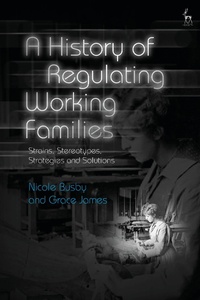
A History of Regulating Working Families
Strains, Stereotypes, Strategies and Solutions
1st Edition
Published on 6. August 2020
184 pages
978-1-5099-0460-0 (ISBN)
Description

Families in market economies have long been confronted by the demands of participating in paid work and providing care. Across Europe the social, economic and political environment within which families do so has been subject to substantial change in the post-World War II era and governments have come under increasing pressure to engage with this important area of public policy. In the UK, as elsewhere, the tensions which lie at the heart of the paid work/unpaid care conflict remain unresolved posing substantial difficulties for all of law's subjects both as carers and as the recipients of care. What seems like a relatively simple goal - to enable families to better balance care-giving and paid employment - has been subject to and shaped by shifting priorities over time leading to a variety of often conflicting policy approaches.
This book critiques how working families in the UK have been subject to regulation. It has two aims:
· To chart the development of the UK's law and policy framework by focusing on the post-war era and the growth and decline of the welfare state, considering a longer historical trajectory where appropriate.
· To suggest an alternative policy approach based on Martha Fineman's vulnerability theory in which the vulnerable subject replaces the liberal subject as the focus of legal intervention. This reorientation enables a more inclusive and cohesive policy approach and has great potential to contribute to the reconciliation of the unresolved conflict between paid work and care-giving.
This book critiques how working families in the UK have been subject to regulation. It has two aims:
· To chart the development of the UK's law and policy framework by focusing on the post-war era and the growth and decline of the welfare state, considering a longer historical trajectory where appropriate.
· To suggest an alternative policy approach based on Martha Fineman's vulnerability theory in which the vulnerable subject replaces the liberal subject as the focus of legal intervention. This reorientation enables a more inclusive and cohesive policy approach and has great potential to contribute to the reconciliation of the unresolved conflict between paid work and care-giving.
More details
Edition
1. Auflage
Language
English
Place of publication
London
United Kingdom
Publishing group
Bloomsbury Publishing PLC
Target group
Professional and scholarly
College/higher education
ISBN-13
978-1-5099-0460-0 (9781509904600)
Copyright in bibliographic data and cover images is held by Nielsen Book Services Limited or by the publishers or by their respective licensors: all rights reserved.
Schweitzer Classification
Other editions
Additional editions
Grace James | Nicole Busby
A History of Regulating Working Families
Strains, Stereotypes, Strategies and Solutions
Book
02/2022
Hart Publishing
€52.23
Shipment within 15-20 days
Grace James | Nicole Busby
A History of Regulating Working Families
Strains, Stereotypes, Strategies and Solutions
Book
08/2020
Hart Publishing
€119.20
Shipment within 15-20 days
Persons
Nicole Busby is Professor of Human Rights, Equality and Justice at the University of Glasgow, UK.
Grace James is Professor of Law at the University of Reading, UK.
Grace James is Professor of Law at the University of Reading, UK.
Content
1. Introduction
I. Scope and Aims
II. Key Definitions
A. The Family
B. Care Work
C. Dependency
III. Theoretical Underpinnings: Vulnerability
A. The Vulnerable Subject
B. Institutions and Relationships
C. A Responsive State
IV. Context
V. Methodology and Structure
2. Women and Work
I. Introduction
II. Private Work, Public Work and the Standard Worker Model
A. The Sexual Contract
B. The Industrial Revolution
III. Women's Work in Wartime
A. Paid Work and State Childcare
B. Women's Paid Work in the Post-war Era
C. Change or Continuity?
IV. The 1960s and 1970s: The Fight for Equality
A. The Limits of Formal Equality
B. Same or Different?
C. Indirect Discrimination
D. The Rise of the Lone Parent Household
V. The 1980s and 1990s: The Flexible Workforce
A. Part-time Work and Legal Protections
VI. New Labour: The Birth of 'Family-Friendly' Employment Policy
A. The Place of Care
VII. Post-2010: Work-Family Balance in an Age of Austerity
VIII. Imagining the Future: Vulnerability Theory and Women's Work
IX. Conclusions
3. Mothers and Fathers
I. Introduction
II. Contextualising Reconciliation Policy
A. Class Divisions in 1940s Nursery Provision
B. Home and Hearth: The 1950s Housewife
C. Industrial Relations and Legal Abstentionism
III. The Emergence of a Reconciliation Framework
A. The Pregnant Workers Directive
B. Towards a 'Family-Friendly' Approach
IV. New Labour: Continuity and Change
A. Working Time and Family Time
B. Parental Rights, Maternity Rights
C. Competitiveness and Choice?
V. The Current Framework
A. Dominant Ideologies in the UK's Current WFB Framework
VI. Work and Families: The Call for Change
A. Working Families in the UK
B. An Alternative Approach to Dependency and Care?
VII. Conclusions
4. Children's Welfare
I. Introduction
II. The Demise of Paid Child Labour
A. Legislative Intervention
III. The Importance of Education
A. Compulsory Education
B. The Long-term Impact on 'Children'
IV. State Acceptance of (Limited) Responsibility for Child Welfare
A. Interventions
V. Children's Welfare in the Current WFB Framework and the Appeal of Vulnerability Theory
A. The Current WFB Framework
B. Vulnerability Theory and Children's Welfare
VI. Conclusions
5. Eldercare
I. Introduction
II. A History of Ageing and Eldercare
A. Pre 1940s: Early Ideals of Autonomy
B. 1940s, 50s and 60s: A New 'Discourse of Differentiation'
C. 1970s and 1980s: The Unravelling of State Support
D. 1990s to Present
III. Current WFB Rights for Working Carers and the Appeal of a Vulnerability Approach
A. The WFB Provisions
B. A Vulnerability Approach to Eldercare
IV. Conclusions
6. Conclusions: Strains, Stereotypes, Strategies and Solutions
I. Introduction
II. The Subject of Regulation
A. The Fictive Liberal Subject
III. Institutions and Relationships
A. The Vilification of Dependency
IV. The Role of the State
A. The Mythology of the Market Order
V. The Application of a Vulnerability Approach
I. Scope and Aims
II. Key Definitions
A. The Family
B. Care Work
C. Dependency
III. Theoretical Underpinnings: Vulnerability
A. The Vulnerable Subject
B. Institutions and Relationships
C. A Responsive State
IV. Context
V. Methodology and Structure
2. Women and Work
I. Introduction
II. Private Work, Public Work and the Standard Worker Model
A. The Sexual Contract
B. The Industrial Revolution
III. Women's Work in Wartime
A. Paid Work and State Childcare
B. Women's Paid Work in the Post-war Era
C. Change or Continuity?
IV. The 1960s and 1970s: The Fight for Equality
A. The Limits of Formal Equality
B. Same or Different?
C. Indirect Discrimination
D. The Rise of the Lone Parent Household
V. The 1980s and 1990s: The Flexible Workforce
A. Part-time Work and Legal Protections
VI. New Labour: The Birth of 'Family-Friendly' Employment Policy
A. The Place of Care
VII. Post-2010: Work-Family Balance in an Age of Austerity
VIII. Imagining the Future: Vulnerability Theory and Women's Work
IX. Conclusions
3. Mothers and Fathers
I. Introduction
II. Contextualising Reconciliation Policy
A. Class Divisions in 1940s Nursery Provision
B. Home and Hearth: The 1950s Housewife
C. Industrial Relations and Legal Abstentionism
III. The Emergence of a Reconciliation Framework
A. The Pregnant Workers Directive
B. Towards a 'Family-Friendly' Approach
IV. New Labour: Continuity and Change
A. Working Time and Family Time
B. Parental Rights, Maternity Rights
C. Competitiveness and Choice?
V. The Current Framework
A. Dominant Ideologies in the UK's Current WFB Framework
VI. Work and Families: The Call for Change
A. Working Families in the UK
B. An Alternative Approach to Dependency and Care?
VII. Conclusions
4. Children's Welfare
I. Introduction
II. The Demise of Paid Child Labour
A. Legislative Intervention
III. The Importance of Education
A. Compulsory Education
B. The Long-term Impact on 'Children'
IV. State Acceptance of (Limited) Responsibility for Child Welfare
A. Interventions
V. Children's Welfare in the Current WFB Framework and the Appeal of Vulnerability Theory
A. The Current WFB Framework
B. Vulnerability Theory and Children's Welfare
VI. Conclusions
5. Eldercare
I. Introduction
II. A History of Ageing and Eldercare
A. Pre 1940s: Early Ideals of Autonomy
B. 1940s, 50s and 60s: A New 'Discourse of Differentiation'
C. 1970s and 1980s: The Unravelling of State Support
D. 1990s to Present
III. Current WFB Rights for Working Carers and the Appeal of a Vulnerability Approach
A. The WFB Provisions
B. A Vulnerability Approach to Eldercare
IV. Conclusions
6. Conclusions: Strains, Stereotypes, Strategies and Solutions
I. Introduction
II. The Subject of Regulation
A. The Fictive Liberal Subject
III. Institutions and Relationships
A. The Vilification of Dependency
IV. The Role of the State
A. The Mythology of the Market Order
V. The Application of a Vulnerability Approach
