

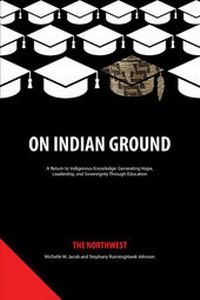
On Indian Ground
The Northwest
1st Edition
Published on 11. January 2019
291 pages
978-1-64113-902-1 (ISBN)
Description

On Indian Ground: Northwest is the second of ten regionally focused texts that explores American Indian/Alaska Native/Native Hawaiian education in depth. The text is designed to be used by educators of Native youth and emphasizes best practices found throughout the region. Previous texts on American Indian education make wide-ranging general assumptions that all American Indians are alike. This series promotes specific interventions and relies on Native ways of knowing to highlight place-based educational practices.
On Indian Ground: Northwest looks at the history of Indian education across the Pacific Northwest region. Authors also analyze education policy and Tribal education departments to highlight early childhood education, gifted and talented educational practice, parental involvement, language revitalization, counseling, and research. These chapters expose cross-cutting themes of sustainability, historical bias, economic development, health and wellness and cultural competence.
On Indian Ground: Northwest looks at the history of Indian education across the Pacific Northwest region. Authors also analyze education policy and Tribal education departments to highlight early childhood education, gifted and talented educational practice, parental involvement, language revitalization, counseling, and research. These chapters expose cross-cutting themes of sustainability, historical bias, economic development, health and wellness and cultural competence.
All prices
More details
Other editions
Additional editions
Book
11/2019
Information Age Publishing
€70.60
Shipment within 3-4 weeks
Book
11/2019
Information Age Publishing
€122.70
Shipment within 3-4 weeks
Content
- Cover
- On Indian Ground
- On Indian Ground: The North west
- Copyright
- CONTENTS
- FOREWORD
- PREFACE: ON INDIAN GROUND: A Return to Indigenous Knowledge
- INTRODUCTION
- THE IMPORTANCE OF INDIGENOUS EDUCATION
- THEORY
- TECHNOLOGY
- USING TECHNOLOGY TO ASSERT SELF-DETERMINATION
- INDIGENOUS EDUCATION BRINGS HOPE
- SUMMARY OF THE CHAPTERS
- CONCLUSION
- THANK YOU
- REFERENCES
- 1: INDIAN EDUCATION IN THE NORTHWEST
- BOARDING SCHOOLS
- Oregon
- Washington
- Idaho
- Montana
- TRIBAL COLLEGES
- Oregon and Idaho
- Washington
- Montana
- STATE INDIAN EDUCATION ASSOCIATIONS
- Oregon
- Washington
- Idaho
- Montana
- FUNDING
- Oregon
- Washington
- Idaho
- Montana
- POLICIES
- Oregon
- Washington
- Idaho
- Montana
- CONCLUSION
- NOTE
- REFERENCES
- 2: AMERICAN INDIAN EDUCATION IN IDAHO: Dismantling the Deficit Model and Honoring Resilience
- ABSTRACT
- IDAHO TRIBES
- EDUCATION IN IDAHO
- ACHIEVEMENT AS ASSIMILATION
- MEASURING PERSISTENCE
- Family Support
- Cultural Competency
- Risk-Taking
- CONCLUSION: FINDING PURPOSE
- NOTE
- REFERENCES
- 3: RETHINKING OREGON INDIAN EDUCATION: Native American Studies Transforming Teacher Education
- FROM OREGON INDIANS: TO OREGON INDIAN EDUCATION
- NATIVE AMERICANS AND OREGON PUBLIC SCHOOLS
- CULTURALLY RESPONSIVE TEACHER EDUCATION
- NATIVE AMERICAN STUDIES: NATIVE KNOWLEDGE: TRANSFORMING OREGON INDIAN EDUCATION
- REFERENCES
- 4: A PRACTICAL APPROACH TO IMPROVING TRANSITION SERVICES FOR AMERICAN INDIAN STUDENTS
- DEFINING TRANSITION
- PUBLIC SCHOOLING AND SOVEREIGNTY
- BRIEF HISTORY OF EDUCATION AND AMERICAN INDIANS
- INCREASING CULTURALLY RELEVANT TRANSITION: PRACTICES IN SPECIAL EDUCATION
- WAYS OF WORKING
- CONCLUSION AND RECOMMENDATIONS
- REFERENCES
- 5: TRANSFORMING TEACHING AND LEARNING THROUGH INDIGENOUS STRENGTHS AND WAYS OF KNOWING
- CULTURALLY BASED EDUCATION
- REALIZING CBE IN TODAY'S CLASSROOMS
- PROFESSIONAL LEARNING FOR TEACHERS OF NATIVE STUDENTS
- PROFESSIONAL LEARNING: PROMOTING INTRINSIC MOTIVATION & THE MOTIVATIONAL FRAMEWORK FOR CULTURALLY RESPONSIVE TEACHING
- COLLABORATING WITH COMMUNITY AND TAKING ACTION
- A PROFESSIONAL LEARNING PROJECT IN ONE COAST SALISH COMMUNITY
- After the Lesson Study With Cultural Guides: What Transformed in Teacher Thinking/Practice?
- What Was Revealed About the Goals of Teachers and Community Members Toward the Improvement of Teaching and Learning?
- How Are Cultural Guides Thinking About the Learning of Teachers As They Transform Practice to be More Culturally Responsive?
- Establishing Inclusion: Respect and Connectedness
- Developing a Positive Attitude: Volition and Personal Relevance
- Enhancing Meaning: Challenge and Engagement
- Engendering Competence: Authenticity and Effectiveness
- How Are Cultural Guides Thinking About the Learningof Students in Classrooms?
- Establishing Inclusion: Respect and Connectedness
- Developing a Positive Attitude: Volition and Personal Relevance
- Enhancing Meaning: Challenge and Engagement
- Engendering Competence: Authenticity and Effectiveness
- How Are Teachers Thinking About Their Own Transformation and the Transformation of Their Colleagues? That Is, What Do Teachers Need to Learn in Order to Best Serve This Tribal Context?
- Establishing Inclusion: Respect and Connectedness
- Developing a Positive Attitude: Volition and Personal Relevance
- Enhancing Meaning: Challenge and Engagement
- Engendering Competence: Authenticity and Effectiveness
- How Are Teachers Thinking About Culturally Responsive Teaching Given This Experience of Collaborating With Cultural Guides?
- Establishing Inclusion: Respect and Connectedness
- Developing a Positive Attitude: Volition and Personal Relevance
- Enhancing Meaning: Challenge and Engagement
- Engendering Competence: Authenticity and Effectiveness
- How Did the Lesson Study With Cultural Guides Contribute to Teachers' and Community Members' Thinking?
- A Note Regarding "Culture" and Potential Risks
- CONCLUSION
- REFERENCES
- 6: PURSUING INDIGENOUS EDUCATIONON INDIGENOUS TERMS: Portraits of Indigenous Education in Practice
- ABSTRACT
- ON OTHER PEOPLES' TERMS
- ON THE MARGINS AND IN THE SAFETY ZONE
- ON INDIGENOUS TERMS
- Loving and Living Languages
- First Foods and Traditional Gathering
- Winter Solstice and Summer Break Camps
- WE ARE DOING GOOD THINGS AND WE CAN ALWAYS DO BETTER TOMORROW
- NOTES
- REFERENCES
- 7: K-12 BEST PRACTICES: The Effect of Graphic Organizers on Native American Students' Learning and Retention in Algebra
- SETTING
- SUBJECTS
- INSTRUMENTS
- TEST OF PREREQUISITE SKILLS
- TEST OF CONTENT SKILLS
- PROCEDURES
- DATA ANALYSIS
- Study 2
- SETTING
- INSTRUMENT
- TEST OF PREREQUISITE SKILLS
- TEST OF CONTENT SKILLS
- PROCEDURES
- DATA ANALYSIS
- RESULTS
- Statistical Analyses From Study 1 Immediate
- Posttest of Content Skills
- Statistical Analyses From Study 1 Retention
- Posttest of Content Skills
- Statistical Analyses From Study 2 Immediate
- Posttest of Content Skills
- Statistical Analysis Across Studies
- DISCUSSION
- STRENGTHS AND WEAKNESSES
- SUMMARY OF RESULTS
- CONCLUSIONS
- RECOMMENDATIONS
- REFERENCES
- 8: INDIGENOUS ENVIRONMENTAL SCIENCE ON THE COLUMBIA RIVER PLATEAU: Traditional Ecological Knowledge and the People of the Big River Field Class
- EDUCATION AND NCH'I-WÁNA (THE BIG RIVER)
- BACKGROUND
- People of the Big River Field Class
- METHODS
- Designing the People of the Big River Field Class: Traditional Ecological Knowledge on the Ground
- RESULTS
- Theme 1: Community Building/Cultural Identity Development
- Example 1: Jacob Billy (8/9/2014
- "Leaving Spokane, Reflection Heritage University Student
- Analysis
- Example 2: Tarrel J. Williams (7/22/2015
- Day 11: At Coeur D'Alene, Reflecting on a Presentation by the Fisheries Scientists). White Swan High School Student
- Analysis
- Example 3: Alexic Garcia (Thursday July 23, 2015). Heritage University Student
- Analysis
- Example 4: Jayla Krause (8/21/2013
- Pow Wow, OR). Heritage University Student
- Analysis
- Theme 2: Community Wisdom and Interdisciplinary Teachings
- Example 5: Sheryl Redheart (8/3/14
- "Day 7: At Umatilla, Reflecting on Loveda Elk's Presentation About Glass Art"). White Swan High School Student
- Analysis
- Example 6: Calista Spoonhunter (August 2, 2014
- Posted August 8, 2014
- At Deschutes National Forest Campsite With Yakama Mentor Cialita (Cia) Keys). White Swan High School Student
- Analysis
- Example 7: Matthew Navarro ( July 23, Day 10, 2015
- End of Trip). Heritage University Student
- Example 8: Ibeth Gutierrez ( July 23, 2015
- Coeur d'Alene Reservation). Heritage University Student.
- Analysis
- Theme 3: Professional Development
- Example 9: Calista Spoonhunter (August 1, 2014
- Posted on August 8, 2014). White Swan High School Student
- Example 10: From: Aric Washines (August 1, 2014
- Posted August 4, 2014
- At Deschutes National Forest). Heritage University Student
- Analysis
- Example 11: From Lucila Cornejo (August 8, 2014
- Posted August 8, 2014
- At Spokane Indian Reservation). Heritage University Student
- Analysis
- Example 12: From Jayla Krause ( July 24, 2013
- Posted July 24, 2013
- At Spokane Indian Reservation). Heritage University Student
- Analysis
- DISCUSSION AND CONCLUSION
- Example 13: Charlie Fiander (7/22/2013, Umatilla Indian Reservation, Department of Natural Resources First Foods Management, Wenix Red Elk, DNR Education & Outreach Specialist). Heritage University Student
- REFERENCES
- 9: NATIVE COLLEGE STUDENT STEM EXPERIENCES: Assessing a Mentored Research Approach
- ABSTRACT
- RELEVANT LITERATURE
- Mentoring
- Research Experience
- Peer Learning
- Indigenous Values
- RESEARCH METHODS AND PROGRAM CONTEXTS
- Program Contexts
- Chief Dull Knife College Science Internship Program3
- Bridges to the Baccalaureate Internship Program4
- Student to Academic Professoriate for American Indians5
- RESULTS: KEY THEMES OF MENTORED RESEARCH EXPERIENCES
- Increased Interest in Research
- Feeling Comfortable in a Research Setting
- Relationships With Mentors/Instructors
- Hands-on Research Experiences Support Future Plans
- Relationships With Native Peers and Community
- DISCUSSION AND CONCLUSIONS
- NOTES
- REFERENCES
- 10: THE FRUIT OF PROTEST AND LISTENING TO INDIGENOUS VOICES: The Continuing History of theUniversity of Oregon Sapsik'waláTeacher Education Program
- EDITOR'S NOTE
- REFERENCES
- 11: SUPPORTING COMMUNITY GOALS FOR INDIGENOUS LANGUAGE REVITALIZATION IN THE LANGUAGE EDUCATION CLASSROOM
- CONTEXTUAL BACKGROUND AND LITERATURE REVIEW
- Language Revitalization
- Language Nests
- Building the Nest-Language Domains
- Teaching and Learning Indigenous Language
- YAKIMA ICHISHKÍIN LANGUAGE, TEACHING, AND REVITALIZATION
- NEEDS ANALYSIS
- CURRICULUM PROJECT
- Goals and Objectives
- Organizing Principles
- DISCUSSION
- NOTES
- REFERENCES
- 12: LANGUAGE REVITALIZATION AND VITALITY: Schools and Communities Working Together
- ABSTRACT
- INDIGENOUS LANGUAGES OF THE REGION
- WHY LANGUAGE MATTERS: LANGUAGE AND WELL-BEING
- REVITALIZATION EFFORTS
- Keeping It Local: Place-Based Learning
- The Role of Educational Institutions
- Across the Region
- Teacher Preparation
- Classes for All Ages
- The Importance of Language to Identity and Health
- LANGUAGE REVITALIZATION AT THE CONFEDERATED TRIBES OF WARM SPRINGS
- DISCUSSION
- ACKNOWLEDGMENTS
- NOTES
- REFERENCES
- ABOUT THE EDITORS

