

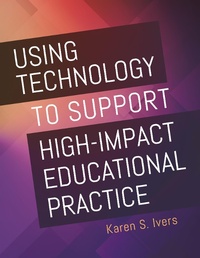
Using Technology to Support High-Impact Educational Practice
1st Edition
Published on 1. December 2018
172 pages
979-8-216-16123-3 (ISBN)
Description

Emphasizing the importance of preparing students for the global workforce, this title explains how to teach using the latest educational technology.
As technology becomes more advanced and accessible, it gives rise to new delivery methods of instruction and learning. High Impact Educational Practices including collaboration, diversity, global learning, service- and project-based learning, and research and writing, can be used to strengthen students' readiness for the demands of the 21st-century global community and workforce.
This book helps current and future K-12 educators to better understand high impact educational practices and why they are important. It provides educators with ideas of how to use technology to support high impact educational practices in their classrooms and helps them to create just, equitable, and inclusive learning environments that support 21st-century learning.
As technology becomes more advanced and accessible, it gives rise to new delivery methods of instruction and learning. High Impact Educational Practices including collaboration, diversity, global learning, service- and project-based learning, and research and writing, can be used to strengthen students' readiness for the demands of the 21st-century global community and workforce.
This book helps current and future K-12 educators to better understand high impact educational practices and why they are important. It provides educators with ideas of how to use technology to support high impact educational practices in their classrooms and helps them to create just, equitable, and inclusive learning environments that support 21st-century learning.
More details
Edition
1. Auflage
Language
English
Place of publication
New York
United States
Publishing group
Bloomsbury Publishing Plc
Target group
Interest Age: From 7 to 17 years
ISBN-13
979-8-216-16123-3 (9798216161233)
Copyright in bibliographic data and cover images is held by Nielsen Book Services Limited or by the publishers or by their respective licensors: all rights reserved.
Schweitzer Classification
Other editions
Additional editions
Karen S. Ivers
Using Technology to Support High-Impact Educational Practice
Book
12/2018
Libraries Unlimited Inc
€57.80
Shipment within 10-20 days
Person
Karen S. Ivers is a professor at California State University Fullerton. She has published multiple books and numerous articles on educational technology.
Content
- Cover
- Half Title
- Title Page
- Copyright
- Contents
- Preface
- Chapter 1: High-Impact Educational Practices
- Overview
- Outcomes and High-Impact Educational Practices
- The Framework for 21st Century Learning
- HIP Technology
- Preparing Our Students for the Future
- Technology Standards and Frameworks
- Summary
- Activities
- Resource List
- References
- Chapter 2: Collaborative Assignments and Projects
- Overview
- Designing and Managing Small Group Instruction
- Designing and Managing Collaborative Activities, Including Cooperative Learning
- Summary
- Activities
- Resource List
- References
- Chapter 3: Social Competence, Culturally Responsive Teaching, and Inclusive Classrooms
- Overview
- Social Competence
- Culturally Responsive Teaching
- Just, Equitable, and Inclusive Education
- Summary
- Activities
- Resource List
- References
- Chapter 4: Global Competence
- Overview
- Global Competence
- Summary
- Activities
- Resource List
- References
- Chapter 5: Service-Learning and Project-Based Learning
- Overview
- Service-Learning
- Project-Based Learning
- Summary
- Activities
- Resource List
- References
- Chapter 6: Research, Writing, and Information, Media, and Technology Skills
- Overview
- Research
- Writing
- Information, Media, and Information and Communication Technologies Literacy
- ePortfolios
- Digital Citizenship
- Summary
- Activities
- Resource List
- References
- Index
- About the Author
