

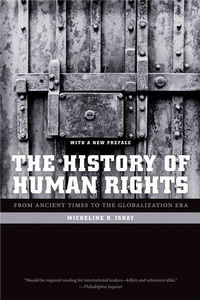
The History of Human Rights
From Ancient Times to the Globalization Era
1st Edition
Published on 2. June 2008
480 pages
978-0-520-93491-7 (ISBN)
Description

Micheline Ishay recounts the dramatic struggle for human rights across the ages in a book that brilliantly synthesizes historical and intellectual developments from the Mesopotamian Codes of Hammurabi to today's era of globalization. As she chronicles the clash of social movements, ideas, and armies that have played a part in this struggle, Ishay illustrates how the history of human rights has evolved from one era to the next through texts, cultural traditions, and creative expression. Writing with verve and extraordinary range, she develops a framework for understanding contemporary issues from the debate over globalization to the intervention in Kosovo to the climate for human rights after September 11, 2001. The only comprehensive history of human rights available, the book will be essential reading for anyone concerned with humankind's quest for justice and dignity.
Ishay structures her chapters around six core questions that have shaped human rights debate and scholarship: What are the origins of human rights? Why did the European vision of human rights triumph over those of other civilizations? Has socialism made a lasting contribution to the legacy of human rights? Are human rights universal or culturally bound? Must human rights be sacrificed to the demands of national security? Is globalization eroding or advancing human rights? As she explores these questions, Ishay also incorporates notable documents-writings, speeches, and political statements-from activists, writers, and thinkers throughout history.
Ishay structures her chapters around six core questions that have shaped human rights debate and scholarship: What are the origins of human rights? Why did the European vision of human rights triumph over those of other civilizations? Has socialism made a lasting contribution to the legacy of human rights? Are human rights universal or culturally bound? Must human rights be sacrificed to the demands of national security? Is globalization eroding or advancing human rights? As she explores these questions, Ishay also incorporates notable documents-writings, speeches, and political statements-from activists, writers, and thinkers throughout history.
More details
Other editions
Additional editions
Book
06/2008
1st Edition
University of California Press
€37.14
Shipment within 10-20 days
Person
Micheline R. Ishay is Professor and Director of the International Human Rights Program at the University of Denver, author of Internationalism and Its Betrayal, and editor of The Human Rights Reader.
Content
Acknowledgments
Introduction
Definition, the Argument, and Six Historical Controversies
Structure
1. Early Ethical Contributions to Human Rights
Religious and Secular Notions of Universalism
Liberty: The Origins of Tolerance
Equality: Early Notions of Economic and Social Justice
How to Promote Justice?
Fraternity, or Human Rights for Whom?
2. Human Rights and the Enlightenment: The Development of a Liberal and Secular Perspective of Human Rights
From Ancient Civilizations to the Rise of the West
Freedom of Religion and Opinion
The Right to Life
The Right to Private Property
The State and Just-War Theory
Human Rights for Whom?
3. Human Rights and the Industrial Age: The Development of a Socialist Perspective of Human Rights
The Industrial Age
Challenging the Liberal Vision of Rights
Universal Suffrage, Economic and other Social Rights
Challenging Capitalism and the State
Human Rights for Whom?
4. The World Wars: The Institutionalization of International Rights and the Right to Self-Determination
The End of Empires
The Right to Self-Determination
Institutionalizing Human Rights
Human Rights for Whom?
5. Globalization and Its Impact on Human Rights
Globalization and Protest Movements
Defining Rights in the Era of Globalization
After September 11: Security versus Human Rights
Human Rights for Whom?
6. Promoting Human Rights in the Twenty-first Century: The Changing Arena of Struggle
Medievalism and the Absence of Civil Society
The Emergence of Civil Society during the Enlightenment
The Expansion of Civil Society in the Industrial Revolution
The Anti-Colonial Struggle
The Globalization of Civil Society? Or an Assault on the Private Realm?
Appendix: A Chronology of Events and Writings Related to Human Rights
Notes
References
Index
Introduction
Definition, the Argument, and Six Historical Controversies
Structure
1. Early Ethical Contributions to Human Rights
Religious and Secular Notions of Universalism
Liberty: The Origins of Tolerance
Equality: Early Notions of Economic and Social Justice
How to Promote Justice?
Fraternity, or Human Rights for Whom?
2. Human Rights and the Enlightenment: The Development of a Liberal and Secular Perspective of Human Rights
From Ancient Civilizations to the Rise of the West
Freedom of Religion and Opinion
The Right to Life
The Right to Private Property
The State and Just-War Theory
Human Rights for Whom?
3. Human Rights and the Industrial Age: The Development of a Socialist Perspective of Human Rights
The Industrial Age
Challenging the Liberal Vision of Rights
Universal Suffrage, Economic and other Social Rights
Challenging Capitalism and the State
Human Rights for Whom?
4. The World Wars: The Institutionalization of International Rights and the Right to Self-Determination
The End of Empires
The Right to Self-Determination
Institutionalizing Human Rights
Human Rights for Whom?
5. Globalization and Its Impact on Human Rights
Globalization and Protest Movements
Defining Rights in the Era of Globalization
After September 11: Security versus Human Rights
Human Rights for Whom?
6. Promoting Human Rights in the Twenty-first Century: The Changing Arena of Struggle
Medievalism and the Absence of Civil Society
The Emergence of Civil Society during the Enlightenment
The Expansion of Civil Society in the Industrial Revolution
The Anti-Colonial Struggle
The Globalization of Civil Society? Or an Assault on the Private Realm?
Appendix: A Chronology of Events and Writings Related to Human Rights
Notes
References
Index
