

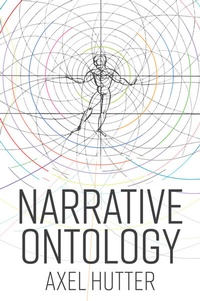
Narrative Ontology
1st Edition
Published on 30. November 2021
314 pages
978-1-5095-4767-8 (ISBN)
Description

This book is a critical inquiry into three ideas that have been at the heart of philosophical reflection since time immemorial: freedom, God and immortality. Their inherent connection has disappeared from our thought. We barely pay attention to the latter two ideas, and the notion of freedom is used so loosely today that it has become vacuous. Axel Hutter's book seeks to remind philosophy of its distinct task: only in understanding itself as human self-knowledge that articulates itself in these three ideas will philosophy do justice to its own concept.
In developing this line of argument, Hutter finds an ally in Thomas Mann, whose novel Joseph and His Brothers has more to say about freedom, God and immortality than most contemporary philosophy does. Through his reading of Mann's novel, Hutter explores these three ideas in a distinctive way. He brings out the intimate connection between philosophical self-knowledge and narrative form: Mann's novel gives expression to the depth of human self-understanding and, thus, demands a genuinely philosophical interpretation. In turn, philosophical concepts are freed from abstractness by resonating with the novel's motifs and its rich language.
Narrative Ontology is both a highly original work of philosophy and a vigorous defence of humanism. It brings together philosophy and literature in a creative way, it will be of great interest to students and scholars in philosophy, literature and the humanities in general.
In developing this line of argument, Hutter finds an ally in Thomas Mann, whose novel Joseph and His Brothers has more to say about freedom, God and immortality than most contemporary philosophy does. Through his reading of Mann's novel, Hutter explores these three ideas in a distinctive way. He brings out the intimate connection between philosophical self-knowledge and narrative form: Mann's novel gives expression to the depth of human self-understanding and, thus, demands a genuinely philosophical interpretation. In turn, philosophical concepts are freed from abstractness by resonating with the novel's motifs and its rich language.
Narrative Ontology is both a highly original work of philosophy and a vigorous defence of humanism. It brings together philosophy and literature in a creative way, it will be of great interest to students and scholars in philosophy, literature and the humanities in general.
More details
Other editions
Additional editions
Persons
Axel Hutter is Professor of Philosophy at the Ludwig Maximilian University of Munich.
Content
Foreword by Markus Gabriel
Preface
Introduction
The Art of Self-Knowledge
Self-Knowledge - The Intangibility of the I - Who's Speaking? - Narrative Meaning -Meaning and Being - The Project of a Narrative Ontology - The Truth of Art - Thomas Mann as Model - The Enigma of Human Being - Freedom - Selfhood as Character
Part One: The Stories of Jacob
1. The Ambiguity of the I
The Leitmotif - The Original Scene - Readings - The Unrest of the Blessing - Identity of Form and Content - The Narrative Decentring of the I - Coined Archetypes - Isaac's 'Blindness' - Selfhood as Self-Understanding
2. The World Theatre
The Thought-Model of the Actor - The World as Stage - History - Meaning of Life? - The Author as Narrator and Reader - Meaning as Happiness or Happiness as Meaning - Connecting Thoughts - Cain and Abel - The Role of Human Being - The Dignity of Universality - Humanity in Each Person
3. Narrative Irony
Deception and Disappointment - Leah - Day and Night - Nonsense - Jacob's Four Deceptions - The Denied Sacrifice - Dialectic of Spiritual Inheritance - Hope - Joseph's Gift - Mercy of the Last Deception
Part Two: Time and Meaning
4. The Well of the Past
Ontology of Egoism - Self-Respect - Descent into Hell - Wandering - The Abyss of Time - Desperation of Passing Time - Memento Mori - Promise and Expectation - Time that cannot be Enumerated - The Feast of the Narrative
5. How Abraham Discovered God
Where to Begin? - The Adventure of Self-Knowledge - In the Image of God - Self-Knowledge and Knowledge of God - The Courage for Monotheism - Not the Good, but the Whole - God's History? - Model and Succession - Theology of Narration
6. What are Human Beings, that You are Mindful of them?
Higher Echelons - Human Reason and Language - Evil - On the Economy of Morality - The Narratable World of What Happens - Who Narrates? - The Novel of the Soul - Very Serious Jokes - In Praise of Transience
Part Three: The Stories of Joseph
7. The Future
Self-Love - Wit in Language -Ambiguity of the Talent - Knowledge of the Future? - Being on One's Way - Sympathy - Certainty of Death - The Dreamer of Dreams - The Catastrophe
8. The Dying Grain
The Oracle - The Simile of the Dying Grain - Joseph's Awakening - Compassion - The Illusionary Character of Individuality - The Truth of Illusion - At the Empty Grave - The Other Simile - History in Becoming
9. Only a Simile
Joseph in Egypt - Historical and Narrative Attentiveness - Laban's Realm - Huya and Tuya - Egypt as Symbol - The Sphinx - Interpreting Dreams - Pharaoh - Letter and Spirit of Understanding - Interpretation of God - Historical and Narrative Truth - Play and Allusion
Conclusion
Making Present
Diagnosis of Time - Nihilism as Human Self-Belittlement - Abraham's Legacy
References
Notes
Index
Preface
Introduction
The Art of Self-Knowledge
Self-Knowledge - The Intangibility of the I - Who's Speaking? - Narrative Meaning -Meaning and Being - The Project of a Narrative Ontology - The Truth of Art - Thomas Mann as Model - The Enigma of Human Being - Freedom - Selfhood as Character
Part One: The Stories of Jacob
1. The Ambiguity of the I
The Leitmotif - The Original Scene - Readings - The Unrest of the Blessing - Identity of Form and Content - The Narrative Decentring of the I - Coined Archetypes - Isaac's 'Blindness' - Selfhood as Self-Understanding
2. The World Theatre
The Thought-Model of the Actor - The World as Stage - History - Meaning of Life? - The Author as Narrator and Reader - Meaning as Happiness or Happiness as Meaning - Connecting Thoughts - Cain and Abel - The Role of Human Being - The Dignity of Universality - Humanity in Each Person
3. Narrative Irony
Deception and Disappointment - Leah - Day and Night - Nonsense - Jacob's Four Deceptions - The Denied Sacrifice - Dialectic of Spiritual Inheritance - Hope - Joseph's Gift - Mercy of the Last Deception
Part Two: Time and Meaning
4. The Well of the Past
Ontology of Egoism - Self-Respect - Descent into Hell - Wandering - The Abyss of Time - Desperation of Passing Time - Memento Mori - Promise and Expectation - Time that cannot be Enumerated - The Feast of the Narrative
5. How Abraham Discovered God
Where to Begin? - The Adventure of Self-Knowledge - In the Image of God - Self-Knowledge and Knowledge of God - The Courage for Monotheism - Not the Good, but the Whole - God's History? - Model and Succession - Theology of Narration
6. What are Human Beings, that You are Mindful of them?
Higher Echelons - Human Reason and Language - Evil - On the Economy of Morality - The Narratable World of What Happens - Who Narrates? - The Novel of the Soul - Very Serious Jokes - In Praise of Transience
Part Three: The Stories of Joseph
7. The Future
Self-Love - Wit in Language -Ambiguity of the Talent - Knowledge of the Future? - Being on One's Way - Sympathy - Certainty of Death - The Dreamer of Dreams - The Catastrophe
8. The Dying Grain
The Oracle - The Simile of the Dying Grain - Joseph's Awakening - Compassion - The Illusionary Character of Individuality - The Truth of Illusion - At the Empty Grave - The Other Simile - History in Becoming
9. Only a Simile
Joseph in Egypt - Historical and Narrative Attentiveness - Laban's Realm - Huya and Tuya - Egypt as Symbol - The Sphinx - Interpreting Dreams - Pharaoh - Letter and Spirit of Understanding - Interpretation of God - Historical and Narrative Truth - Play and Allusion
Conclusion
Making Present
Diagnosis of Time - Nihilism as Human Self-Belittlement - Abraham's Legacy
References
Notes
Index
