

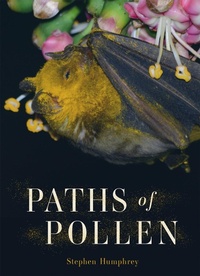
Paths of Pollen
1st Edition
Published on 15. October 2023
257 pages
978-0-2280-1960-2 (ISBN)
Description

A tiny organism called pollen pulls off one of nature's key tasks: plant reproduction. Pollination involves a complex network of different species interacting with one another and mutually adapting to their ecosystems, which are constantly changing.
Some pollen grains require just a puff of wind to set them in motion, but most plants depend on creatures gifted with mobility. These might be birds, bats, reptiles, or insects including butterflies, beetles, flies, wasps, and over twenty thousand species of bee. In Paths of Pollen Stephen Humphrey asks readers to imagine a tipping point where plants and pollinators can no longer adapt to stressors such as urbanization, modern agriculture, and global climate change. Illuminating the science of pollination ecology through evocative encounters with biologists, conservationists, and beekeepers, Humphrey illustrates the significance of pollination to such diverse concerns as food supply, biodiversity, rising global temperatures, and the resilience of landscapes.
As human actions erase habitats and raise the planet's temperature, plant diversity is dropping and a growing list of pollinators faces decline or even extinction. Paths of Pollen chronicles pollen's vital mission to spread plant genes, from the prehistoric past to the present, while looking towards an ecologically uncertain future.
Some pollen grains require just a puff of wind to set them in motion, but most plants depend on creatures gifted with mobility. These might be birds, bats, reptiles, or insects including butterflies, beetles, flies, wasps, and over twenty thousand species of bee. In Paths of Pollen Stephen Humphrey asks readers to imagine a tipping point where plants and pollinators can no longer adapt to stressors such as urbanization, modern agriculture, and global climate change. Illuminating the science of pollination ecology through evocative encounters with biologists, conservationists, and beekeepers, Humphrey illustrates the significance of pollination to such diverse concerns as food supply, biodiversity, rising global temperatures, and the resilience of landscapes.
As human actions erase habitats and raise the planet's temperature, plant diversity is dropping and a growing list of pollinators faces decline or even extinction. Paths of Pollen chronicles pollen's vital mission to spread plant genes, from the prehistoric past to the present, while looking towards an ecologically uncertain future.
Reviews / Votes
"Stephen Humphrey is a highly accomplished, and engaging storyteller. In the manner of Carl Sagan or Aldo Leopold, he calls attention to little-known or misunderstood topics, and presents these to an often science-hostile public. Paths of Pollen advances the cause of pollinator and plant conservation for their benefits to all humankind and wildlife, now and in the future. I couldn't put it down." Stephen Buchmann, author of *What a Bee Knows: Exploring the Thoughts, Memories, and Personalities of Bees * "With Paths of Pollen, Humphrey has extended an accessible invitation to consider these relationships at multiple scales, from the wide view of global environmental activism to the microscopic perspective of a grain of pollen." *Montreal Review of Books * "Paths of Pollen is meticulously researched and supported by both academic and lived experience. In an increasingly science-averse world, Humphrey's call to other citizen scientists functions on two levels: to support the gathering of data to help specialists in their work, and to empower us to take a deeper stake in the more-than-human world." Albertaviews Review, Albertaviews https://albertaviews.ca/paths-of-pollen/#:~:text=It's%20no%20coincidence%20that%20a,lack%20of%20attention%20to%20detail "Humphrey's well-earned reputation as a popular science journalist in Canada is upheld by this intimate look into the not-so-secret lives of plants. During an age in which we continue to witness the augmentation of some of the worst qualities of our kind - the flagrant celebration of ignorance culminating in conspiratorial populism protracted upon a flat earth with a fake moon and where anthropogenic warming isn't real - Humphrey's investigation into plant sex is a general invitation away from dimness and toward a return to civility and reason." H-Science "Paths of Pollen is a valuable and highly readable introduction, effectively illuminating a deceptively complex yet fascinating facet of biology and inspiring appreciation for the natural world through a 'pollen grain's-eye view.'" Quarterly Review of BiologyMore details
Language
English
Place of publication
Montreal, QC
Canada
Target group
Professional and scholarly
Edition type
Digital original
Illustrations
51 photos
51 photos
File size
42,06 MB
ISBN-13
978-0-2280-1960-2 (9780228019602)
Copyright in bibliographic data and cover images is held by Nielsen Book Services Limited or by the publishers or by their respective licensors: all rights reserved.
Schweitzer Classification
Other editions
Additional editions
Stephen Humphrey
Paths of Pollen
Book
10/2023
McGill-Queen's University Press
€33.00
Shipment within 15-20 days
Person
Stephen Humphrey is a writer, radio contributor, and citizen naturalist originally from Western Canada, now based in Toronto.
Content
- Cover
- PATHS of POLLEN
- Title
- Copyright
- CONTENTS
- Illustrations
- Acknowledgments
- Prologue - Pollen's Progress: Where's It All Going (and Where Has It Been)?
- 1 A Prehistory of Pollen
- 2 Pollinators Painted the World
- 3 When Bees Are Not Bees and Flowers Are Not Sweet
- 4 Floral Darwinisms
- 5 Casting Pollen to the Wind
- 6 Bee Flowers and Earth Mothers
- 7 Mutual Exploitation
- 8 No Bee Is an Island
- 9 Honeybees Aren't Good at Everything
- 10 The Curious Case of the Vanishing Bees
- 11 Desperately Seeking Bumblebees
- 12 Insect Noses and Night Flowers
- 13 Butterflies, Bats, and Border Walls
- 14 A Few Degrees in the Future
- 15 Last Flowers? Shrinking Pollination Options
- 16 Sunflowers and Space Invaders
- 17 Pollination Influencers and Urban Prairies
- 18 Bees and Neighbours
- 19 Turning Over New Leaves
- Notes
- Index
