

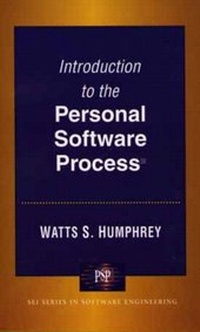
Introduction to the Personal Software Process(sm)
1st Edition
Published on 20. December 1996
304 pages
978-0-7686-8505-3 (ISBN)
Description

This newest book from Watts Humphrey is a hands-on introduction to basic disciplines of software engineering. Designed as a workbook companion to any introductory programming or software-engineering text, Humphrey provides here the practical means to integrate his highly regarded Personal Software Process (PSP) into college and university curricula. The book may also be adapted for use in industrial training or for self-improvement by practicing software engineers.
Applying the book's exercises to their course assignments, students learn both to manage their time effectively and to monitor the quality of their work, good practices they will need to be successful in their future careers. The book is supported by its own electronic supplement, which includes spreadsheets for data entry and analysis. A complete instructor's package is also available.
By mastering PSP techniques early in their studies, students can avoid--or overcome--the popular "hacker" ethic that leads to so many bad habits. Employers will appreciate new hires prepared to do competent professional work without, as now is common, expensive retraining and years of experience.
Applying the book's exercises to their course assignments, students learn both to manage their time effectively and to monitor the quality of their work, good practices they will need to be successful in their future careers. The book is supported by its own electronic supplement, which includes spreadsheets for data entry and analysis. A complete instructor's package is also available.
By mastering PSP techniques early in their studies, students can avoid--or overcome--the popular "hacker" ethic that leads to so many bad habits. Employers will appreciate new hires prepared to do competent professional work without, as now is common, expensive retraining and years of experience.
More details
Language
English
Place of publication
Hoboken
United States
Publishing group
Pearson Education (US)
Target group
College/higher education
ISBN-13
978-0-7686-8505-3 (9780768685053)
Copyright in bibliographic data and cover images is held by Nielsen Book Services Limited or by the publishers or by their respective licensors: all rights reserved.
Schweitzer Classification
Other editions
Additional editions
Watts S. Humphrey
Introduction to the Personal Software Process(sm)
Book
03/1997
Addison Wesley
€37.40
Article exhausted; check different version
Person
Known as "the father of software quality," Watts S. Humphrey is the author of numerous influential books on the software-development process and software process improvement. Humphrey is a fellow of the Software Engineering Institute (SEI) at Carnegie Mellon University, where he founded the Software Process Program and provided the vision and early leadership for the original Capability Maturity Model (CMM). He also is the creator of the Personal Software Process (PSP) and Team Software Process (TSP). Recently, he was awarded the National Medal of Technology-the highest honor given by the president of the United States to America's leading innovators.
Content
(<>All chapters, except Chapter 20, conclude with a Summary and an Assignment.)
1. The Software Engineer's Job.
What is Software Engineering?
Why is Good Engineering Important?
The Personal Software Process.
The Discipline of High-Quality Work.
The Importance of High-Quality Work.
How to Improve the Quality of Your Work.
The Improvement Process.
The Strategy of this Book.
2. The Management.
The Logic of Time Management.
Understanding How You Spend Time.
The Engineering Notebook.
The Notebook Design.
Engineering Notebook Examples.
3. Tracking Time.
Why Track Time?
Recording Time Data.
Tracking Your Time.
Use a Standard Time Recording Log.
Handling Interruptions.
Tracking Completed Tasks.
Keeping Time Logs in the Engineering Notebook.
Hints on Logging Your Time.
4. Period and Product Planning.
Period and Product Plans.
The Weekly Activity Summary.
Summarizing Weekly Times.
Calculating Period Times and Rates.
Using the Weekly Activity Summary.
5. Product Planning.
The Need for Product Plans.
Why Product Plans Are Helpful.
What is a Product Plan?
Product Planning in this Book.
Planning Small Jobs.
Some Definitions.
The Job Number Log.
Some Suggestions on Using the Job Number Log.
Using Product Times and Rates Data.
6. Product Size.
The Product Planning Process.
Size Measurement.
Some Cautions on Using Size Measures.
Program Size.
Other Size Measures.
Estimating Program Size.
Making a Larger Size Estimate.
Using Size Measures in the Job Number Log.
7. Managing Your Time.
Elements of Time Management.
Categorizing Your Activities.
Gather Data on Time Spent by Activity.
Evaluating Your Time Distribution.
Making a Time Budget.
Finding More Time.
Setting Ground Rules.
Prioritizing Your Time.
Managing Your Time Budget.
Suggestions on Managing Variable Time.
Your Time Management Objective.
8. Managing Commitments.
Defining Commitment.
Responsibly Made Commitments.
Example of a Commitment.
An Example in Industry.
Handling Missed Commitments.
The Importance of Managing Commitments.
The Consequences of Not Managing Commitments.
The Way to Manage Commitments.
9. Managing Schedules.
The Need for Schedules.
The Gantt Chart.
Making a Project Schedule.
Checkpoints.
Tracking Project Plans.
Tracking Earned Value.
10. The Project Plan.
The Need for Project Plans.
The Project Plan Summary.
The Summary.
Program Size.
Time in Phase.
Estimating Accuracy.
11. The Software Development Process.
Why We Use Processes.
Some Definitions.
The Process Script.
Checkpoints and Phases.
The Updated Project Plan Summary Form.
A Planning Example.
An Example of To Date Calculations.
12. Defects.
What is Software Quality?
Defects and Quality.
What are Defects?
Defects versus Bugs.
Defect Types.
Understanding Defects.
The Defect Recording Log.
Counting Defects.
Using the Defect Recording Log.
The Updated PSP Process.
13. Finding Defects.
A Personal Commitment to Quality.
The Steps in Finding Defects.
Ways to Find and Fix Defects.
Code Reviews.
Why Find Defects Early?
The Costs of Finding and Fixing Defects.
Using Reviews to Find Defects.
Reviewing Before Compiling.
Data on Compile and Test Defects.
The Updated PSP Project Plan Summary Form.
Other Kinds of Reviews.
14. The Code Review Checklist.
Why Do Checklists Help?
An Example of a Code Review Checklist.
Using a Code Review Checklist.
Building a Personal Checklist.
Improving the Checklist.
Coding Standards.
15. Projecting Defects.
Defect Rates.
Using Defect Data.
Defect Density.
Projecting Defect Rates.
Defect Estimation.
The Updated Project Plan Summary Form and Example.
Entering the Actual Data.
16. The Economics of Defect Removal.
The Need for Quality Work.
The Defect-Removal Problem.
Defect-Removal Time.
Defect-Injection and -Removal Experience.
Defect-Removal Savings.
Calculating Defects/Hour on the PSP Project Plan Summary.
Calculating Yield on the Project Plan Summary.
Improving Defect-Removal Rates.
Improving Defect-Injection Rates.
17. Design Defects.
The Nature of Design Defects.
Identifying Design Defects.
What is Design?
The Design Process.
The Causes of Design Defects.
The Impact of Design Defects.
Design Representation.
18. Product Quality.
Quality Comes First.
Testing.
The Filter View of Testing.
The Benefits of Careful Work.
Calculating Yield Values.
Estimating the Ultimate Yield.
The Benefits of 100% Process Yield.
Yield Experience.
Prototyping.
19. Process Quality.
Process Measures.
The Defect-Removal Paradox.
A Defect-Removal Strategy.
Cost of Quality.
Calculating the Cost of Quality.
The Appraisal Failure Ratio.
Improving Review Rates.
Calculating the True Cost of Quality.
20. A Personal Commitment to Quality.
The Importance of Quality.
The Increasing Risks of Poor Quality.
Making a Commitment to Quality.
Your Personal Objectives.
The Rewards of Accomplishment.
1. The Software Engineer's Job.
What is Software Engineering?
Why is Good Engineering Important?
The Personal Software Process.
The Discipline of High-Quality Work.
The Importance of High-Quality Work.
How to Improve the Quality of Your Work.
The Improvement Process.
The Strategy of this Book.
2. The Management.
The Logic of Time Management.
Understanding How You Spend Time.
The Engineering Notebook.
The Notebook Design.
Engineering Notebook Examples.
3. Tracking Time.
Why Track Time?
Recording Time Data.
Tracking Your Time.
Use a Standard Time Recording Log.
Handling Interruptions.
Tracking Completed Tasks.
Keeping Time Logs in the Engineering Notebook.
Hints on Logging Your Time.
4. Period and Product Planning.
Period and Product Plans.
The Weekly Activity Summary.
Summarizing Weekly Times.
Calculating Period Times and Rates.
Using the Weekly Activity Summary.
5. Product Planning.
The Need for Product Plans.
Why Product Plans Are Helpful.
What is a Product Plan?
Product Planning in this Book.
Planning Small Jobs.
Some Definitions.
The Job Number Log.
Some Suggestions on Using the Job Number Log.
Using Product Times and Rates Data.
6. Product Size.
The Product Planning Process.
Size Measurement.
Some Cautions on Using Size Measures.
Program Size.
Other Size Measures.
Estimating Program Size.
Making a Larger Size Estimate.
Using Size Measures in the Job Number Log.
7. Managing Your Time.
Elements of Time Management.
Categorizing Your Activities.
Gather Data on Time Spent by Activity.
Evaluating Your Time Distribution.
Making a Time Budget.
Finding More Time.
Setting Ground Rules.
Prioritizing Your Time.
Managing Your Time Budget.
Suggestions on Managing Variable Time.
Your Time Management Objective.
8. Managing Commitments.
Defining Commitment.
Responsibly Made Commitments.
Example of a Commitment.
An Example in Industry.
Handling Missed Commitments.
The Importance of Managing Commitments.
The Consequences of Not Managing Commitments.
The Way to Manage Commitments.
9. Managing Schedules.
The Need for Schedules.
The Gantt Chart.
Making a Project Schedule.
Checkpoints.
Tracking Project Plans.
Tracking Earned Value.
10. The Project Plan.
The Need for Project Plans.
The Project Plan Summary.
The Summary.
Program Size.
Time in Phase.
Estimating Accuracy.
11. The Software Development Process.
Why We Use Processes.
Some Definitions.
The Process Script.
Checkpoints and Phases.
The Updated Project Plan Summary Form.
A Planning Example.
An Example of To Date Calculations.
12. Defects.
What is Software Quality?
Defects and Quality.
What are Defects?
Defects versus Bugs.
Defect Types.
Understanding Defects.
The Defect Recording Log.
Counting Defects.
Using the Defect Recording Log.
The Updated PSP Process.
13. Finding Defects.
A Personal Commitment to Quality.
The Steps in Finding Defects.
Ways to Find and Fix Defects.
Code Reviews.
Why Find Defects Early?
The Costs of Finding and Fixing Defects.
Using Reviews to Find Defects.
Reviewing Before Compiling.
Data on Compile and Test Defects.
The Updated PSP Project Plan Summary Form.
Other Kinds of Reviews.
14. The Code Review Checklist.
Why Do Checklists Help?
An Example of a Code Review Checklist.
Using a Code Review Checklist.
Building a Personal Checklist.
Improving the Checklist.
Coding Standards.
15. Projecting Defects.
Defect Rates.
Using Defect Data.
Defect Density.
Projecting Defect Rates.
Defect Estimation.
The Updated Project Plan Summary Form and Example.
Entering the Actual Data.
16. The Economics of Defect Removal.
The Need for Quality Work.
The Defect-Removal Problem.
Defect-Removal Time.
Defect-Injection and -Removal Experience.
Defect-Removal Savings.
Calculating Defects/Hour on the PSP Project Plan Summary.
Calculating Yield on the Project Plan Summary.
Improving Defect-Removal Rates.
Improving Defect-Injection Rates.
17. Design Defects.
The Nature of Design Defects.
Identifying Design Defects.
What is Design?
The Design Process.
The Causes of Design Defects.
The Impact of Design Defects.
Design Representation.
18. Product Quality.
Quality Comes First.
Testing.
The Filter View of Testing.
The Benefits of Careful Work.
Calculating Yield Values.
Estimating the Ultimate Yield.
The Benefits of 100% Process Yield.
Yield Experience.
Prototyping.
19. Process Quality.
Process Measures.
The Defect-Removal Paradox.
A Defect-Removal Strategy.
Cost of Quality.
Calculating the Cost of Quality.
The Appraisal Failure Ratio.
Improving Review Rates.
Calculating the True Cost of Quality.
20. A Personal Commitment to Quality.
The Importance of Quality.
The Increasing Risks of Poor Quality.
Making a Commitment to Quality.
Your Personal Objectives.
The Rewards of Accomplishment.
