

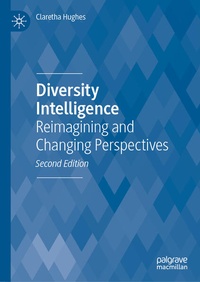
Diversity Intelligence
Description

This book develops and amplifies the emerging concept of diversity intelligence, which is the capability of leaders to recognize the value of workplace diversity and to use this information to guide thinking and behavior. Organization leaders need diversity intelligence to better interact with the changing demographics in the US and the global economy, by embracing differences as strengths rather than weaknesses. Without a clear understanding of diversity, leaders are not fully equipped to realize organizational goals through all employees.
The author highlights the importance of reimagining diversity and changing perspectives while integrating it into leadership and career development plans alongside intellectual intelligence, emotional intelligence, and cultural intelligence. In order to fully motivate diverse employees, leaders must first be able to recognize differences between themselves and others without it being an obstacle to performance. This edition addresses new topics related to allyship and anti-racism, and discusses how these concepts can sometimes hinder diversity efforts.This book fits in the literature in areas of leadership and business value and aims to satisfy the need for solutions to why diversity training and management efforts continue to fall short of stated goals within organizations. It is a window into how leaders can reflect on their actions and behaviors to effectively implement new diversity strategies, and is an essential read for HR researchers, professionals, consultants, and managers of global operating companies.
More details
Other editions
Additional editions
Previous edition
Person
Claretha Hughes is Professor of Human Resource Development at the University of Arkansas in Fayetteville, Arkansas. Her research interests include valuing people and technology in the workplace, technology development, diversity intelligence ®, learning technologies, and ethical and legal issues. She has published numerous articles in peer-reviewed journals and books and has authored or co-authored 16 books. She has completed a National Science Foundation Research in Formation of Engineers grant as a Co-PI. She is the 2021 recipient of the Academy of Human Resource Development's FORWARD Award, 2012 R. Wayne Pace Book of the Year award, and the 2009 University Council of Workforce and Human Resource Education Outstanding Assistant Professor award.
Content
Chapter 1: Diversity Intelligence.- Chapter 2: Diversity Theories and Diversity Intelligent Perspectives.- Chapter 3: Diversity in Practice.- Chapter 4: Diversity Intelligence and Leadership Development: How Allyship, Anti-Racism, and Inclusive Language Hinder Diversity Efforts.- Chapter 5: Diversity Intelligence, Career Development, and Digital/Virtual Work.- Chapter 6: Diversity Intelligence and The Need for Diversity Expertise.- Chapter 7: Current Issues and Evolving Trends
