

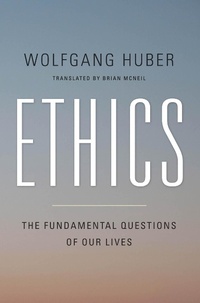
Ethics
Description

In the twenty-first century the basic questions of ethics are no longer the abstract terms of ethical theory, but the concrete and burning issues related to the influence of life sciences, the impact of a globalized economy, and the consequences of present decisions for the future of humankind. Ethics: The Fundamental Questions of Our Lives analyzes twenty ethical issues that address education and culture, labor and economy, the environment and sustainability, democracy and cosmopolitanism, peace and war, and life and death. Each chapter describes a concrete example showing the relevance of the fundamental ethical question, then provides an explanation of how one can think through possible responses and reactions. Huber emphasizes the connections between personal, professional, and institutional ethics and demonstrates how human relationships lie at the center of our ethical lives. His aim is to articulate a theology of what he calls "responsible freedom" that transcends individualistic self-realization and includes communal obligations.
More details
Other editions
Persons
Wolfgang Huber is a German theologian and ethicist who was professor of systematic theology at the University of Heidelberg and, later, bishop of the Evangelical Church in Germany. He retired in 2009 and is an Honorary Professor at Stellenbosch University. Huber is the author and editor of numerous books, including Violence: The Unrelenting Assault on Human Dignity and Christian Belief.
Content
Preface
Translator's Note
1. What is Ethics About?
1. Life in Common: Does the Family Have a Future?
3. Human Dignity: Is There Such a Thing as a ?Trial Pregnancy??
4. Handicap: Do We Want the Perfect Human Being?
5. Basic Needs: Isn't Eating Too a Moral Question?
6. Poverty: How Is It Possible to Dismantle Injustice?
7. Culture: Is There Such a Thing as Cultural Basic Foodstuffs?
8. Conscience: Is It Possible to Learn Freedom of Conscience?And Protect It?
9. Responsibility: How Does One Become a World Citizen?
10. The Information Age: Do the Media Control Us?
11. Work: Do We Live to Work?
12. Profit: What Is the Economy For?
13. Science: Are We Permitted to Do Everything That We Can in Fact Do?
14. Medicine: Is There a Human Right to Health?
15. Politics: Is It Possible to Combine Power and Morality?
16. Tolerance: How Much Differentness Can We Take?
17. War and Peace: How Far Does Our Responsibility Go?
18. Intergenerational Justice: What Do We Leave Behind for Those Who Come After Us?
19. Old Age: What Does It Mean to ?Honor Your Father and Your Mother??
20. Dying: When Has the Time Come to Die?
Conclusion
References
Index
