

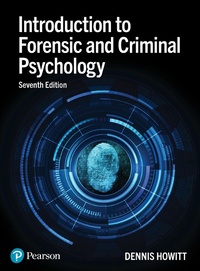
Introduction to Forensic and Criminal Psychology
7th Edition
Published on 31. December 2021
768 pages
978-1-292-29579-4 (ISBN)
Description

Discover more about the fascinating field of forensic and criminal psychology with this widely praised book, ideal for the students who want to understand how psychology relates to criminal justice and the law. Introduction to Forensic and Criminal Psychology, 7th edition is an essential resource for students studying psychology, applied psychology, criminology, and other relevant subjects, providing a clear and comprehensive introduction to this developing discipline.
This market-leading text follows an accessible pedagogical approach, focusing on contextualising theory stemming from extensive, up-to-date research and key empirical findings. It covers major areas in the field, such as profile analysis, lie detecting, mental disorders and crime - among others. It also explores further relevant and significant research studies from the UK and international perspectives and introduces new, contemporary material such as the impact of COVID-19 on crime and police use of force.
The book aims to support your broader understanding of the key concepts surrounding the field, helping you develop your critical thinking skills and challenging group discussion in class.
Some of the helpful features introduced in the chapters are 'Key Concepts', 'Forensic Psychology in Action', and 'Controversies', which encourage a deeper understanding of the subject. The Overview section at the beginning of each chapter and the comprehensive list of figures and diagrams further support your learning experience on the extensive research data and theory developed.
Along with its comprehensive Glossary on key terms for easy reference, this is an invaluable tool for those who would like to follow a career in criminology and forensic psychology and is guaranteed to keep you engaged.
This market-leading text follows an accessible pedagogical approach, focusing on contextualising theory stemming from extensive, up-to-date research and key empirical findings. It covers major areas in the field, such as profile analysis, lie detecting, mental disorders and crime - among others. It also explores further relevant and significant research studies from the UK and international perspectives and introduces new, contemporary material such as the impact of COVID-19 on crime and police use of force.
The book aims to support your broader understanding of the key concepts surrounding the field, helping you develop your critical thinking skills and challenging group discussion in class.
Some of the helpful features introduced in the chapters are 'Key Concepts', 'Forensic Psychology in Action', and 'Controversies', which encourage a deeper understanding of the subject. The Overview section at the beginning of each chapter and the comprehensive list of figures and diagrams further support your learning experience on the extensive research data and theory developed.
Along with its comprehensive Glossary on key terms for easy reference, this is an invaluable tool for those who would like to follow a career in criminology and forensic psychology and is guaranteed to keep you engaged.
More details
Edition
7th edition
Language
English
Place of publication
Harlow
United Kingdom
Target group
Professional and scholarly
ISBN-13
978-1-292-29579-4 (9781292295794)
Copyright in bibliographic data and cover images is held by Nielsen Book Services Limited or by the publishers or by their respective licensors: all rights reserved.
Schweitzer Classification
Other editions
Additional editions
Dennis Howitt
Introduction to Forensic and Criminal Psychology
Book
03/2022
7th Edition
Pearson
€65.99
Article exhausted; check different version
Person
Dennis Howitt is at Loughborough University.
Content
What is forensic and criminal psychology?
The social context of crime
Crime and the public
Victims of crime
Theories of crime
Juvenile offenders and beyond
Theft and other crimes against property
Violent offenders
Sexual offenders 1: rapists
Sexual offenders 2: paedophiles and child molestation
Police psychology
Terrorism and hostage-taking incidents
Eyewitness testimony
Profile analysis 1: FBI-style offender profiling
Profile analysis 2: investigative psychology, statistical and geographical profiling
False allegations
False and true confessions
Lies, lie detecting and credibility 1: the psychology of deception
Lies, lie detecting and credibility 2: the polygraph test, statement validity analysis and SCAN
Children as witnesses
Mental disorders and crime
Mental, personality and intellectual problems in court
Judges and lawyers
Juries and decision making
Effective prison
Psychological treatments for prisoners and other offenders
Risk, recidivism and desistance
Glossary References Name index Subject index
The social context of crime
Crime and the public
Victims of crime
Theories of crime
Juvenile offenders and beyond
Theft and other crimes against property
Violent offenders
Sexual offenders 1: rapists
Sexual offenders 2: paedophiles and child molestation
Police psychology
Terrorism and hostage-taking incidents
Eyewitness testimony
Profile analysis 1: FBI-style offender profiling
Profile analysis 2: investigative psychology, statistical and geographical profiling
False allegations
False and true confessions
Lies, lie detecting and credibility 1: the psychology of deception
Lies, lie detecting and credibility 2: the polygraph test, statement validity analysis and SCAN
Children as witnesses
Mental disorders and crime
Mental, personality and intellectual problems in court
Judges and lawyers
Juries and decision making
Effective prison
Psychological treatments for prisoners and other offenders
Risk, recidivism and desistance
Glossary References Name index Subject index
