
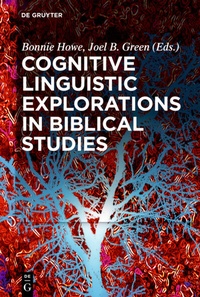
Cognitive Linguistic Explorations in Biblical Studies
Description
Alles über E-Books | Antworten auf Fragen rund um E-Books, Kopierschutz und Dateiformate finden Sie in unserem Info- & Hilfebereich.
Writing, reading, and interpretation are acts of human minds, requiring complex cognition at every point. A relatively new field of studies, cognitive linguistics, focuses on how language and cognition are interconnected: Linguistic structures both shape cognitive patterns and are shaped by them. The Cognitive Linguistics in Biblical Interpretation section of the Society of Biblical Literature gathers scholars interested in applying cognitive linguistics to biblical studies, focusing on how language makes meaning, how texts evoke authority, and how contemporary readers interact with ancient texts. This collection of essays represents first fruits from the first six years (2006-2012) of that effort, drawing on cognitive metaphor study, mental spaces and conceptual blending, narrative theory, and cognitive grammar. Contributors include Eve Sweetser, Ellen van Wolde, Hugo Lundhaug and Jesper T. Nielsen.
More details
Other editions
Additional editions

Persons
System requirements
File format: ePUB
Copy protection: Watermark-DRM (Digital Rights Management)
System requirements:
- Computer (Windows; MacOS X; Linux): Use a reading software that can process the file format ePUB: e.g., Adobe Digital Editions or FBReader – both free (see eBook Help).
- Tablet/Smartphone (Android; iOS): Before downloading, install the free app Adobe Digital Editions (see eBook Help).
- E-reader: Bookeen, Kobo, Pocketbook, Sony, Tolino and many more (not Kindle).
The file format ePUB works well for novels and non-fiction books – i.e., „flowing” text without complex layout. On an e-reader or smartphone, line and page breaks automatically adjust to fit the small displays.
This eBook uses Watermark-DRM, a „soft” copy protection. This means that there are no technical restrictions to prevent illegal distribution. However, there is a personalised watermark embedded in the eBook that can be used to identify the purchaser of the eBook in the event of misuse and to provide evidence for legal purposes.
For more information, see our eBook Help page.