

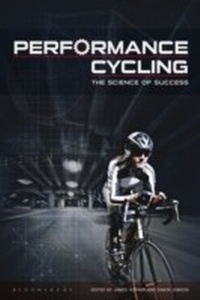
Performance Cycling
The Science of Success
1st Edition
Published on 12. April 2012
336 pages
978-1-4081-6078-7 (ISBN)
Description

A user's guide to the most cutting edge knowledge in cycling science.
If you're a keen cyclist but want to know more about the science behind the bike, this is the book for you. Get the practical application of this knowledge to give you the performance edge and put you ahead of the peleton.
Performance Cycling: The Science of Cycling is written by world renowned cycling authors alongside scientists working at the cutting edge of cycling research. Learn about: the latest training methodologies; how to implement pacing strategies; optimising nutrition; how to effectively set up your bike; and how to mentally prepare for optimal performance.
Whether you are a novice or pro cyclist, Performance Cycling is the essential user's guide to guarantee you reach your full potential.
If you're a keen cyclist but want to know more about the science behind the bike, this is the book for you. Get the practical application of this knowledge to give you the performance edge and put you ahead of the peleton.
Performance Cycling: The Science of Cycling is written by world renowned cycling authors alongside scientists working at the cutting edge of cycling research. Learn about: the latest training methodologies; how to implement pacing strategies; optimising nutrition; how to effectively set up your bike; and how to mentally prepare for optimal performance.
Whether you are a novice or pro cyclist, Performance Cycling is the essential user's guide to guarantee you reach your full potential.
More details
Edition
1. Auflage
Language
English
Place of publication
London
United Kingdom
Publishing group
Bloomsbury Publishing PLC
Target group
Professional and scholarly
Illustrations
Line drawings and photos
ISBN-13
978-1-4081-6078-7 (9781408160787)
Copyright in bibliographic data and cover images is held by Nielsen Book Services Limited or by the publishers or by their respective licensors: all rights reserved.
Schweitzer Classification
Other editions
Additional editions
Book
04/2012
Bloomsbury Sport
€44.75
Article exhausted; check different version
Persons
Dr James Hopker is internationally renowned for his work in cycling science, and is Lecturer in the Centre for Sports Studies, University of Kent, UK.
Dr Simon Jobson is an internationally recognised expert in cycling science.
Both authors work with a number of elite cyclists, bringing the most up-to-date cycling science to the athlete.
Dr Simon Jobson is an internationally recognised expert in cycling science.
Both authors work with a number of elite cyclists, bringing the most up-to-date cycling science to the athlete.
Content
Foreword
Preface
Acknowledgments
SECTION A: WHAT IS CYCLING? THE PHISIOLOGICAL DEMANDS OF CYCLE SPORT
1 The Physiological Demands of Road Cycling, Damian Coleman
2 The Physiological Demands of Off-Road Cycling Disciplines
Cross-Country Mountain Biking, Louis Passfield
Cyclo-Cross, Mark Walker
Bicycle Motorcross (BMX), Paul Barrett
SECTION B: HOW DO I COMPARE? PERFORMANCE ASSESSMENT
3 Laboratory and Field Assessment of Cycling Ability, James Hopker and Simon Jobson
SECTION C: HOW DO I IMPROVE? TRAINING FOR CYCLING PERFORMANCE
4 Training Methodology and Periodisation for Cycling, Inigo Mujika and Paul Laursen
5 Training with Heart Rate and Power, Dan Henchy and Helen Carter
6 How to Use Cycling Training Data, Simon Jobson and Louis Passfield
7 Strength Training for Improved Cycling Performance, Bent Ronnestad
SECTION D: HOW DO I GET THE BEST OUT OF MY BIKE? THE BIOMECHANICS OF CYCLING
8 Bike Fit and Aerodynamics, Ami Drory
9 Pedalling Mechanics and Performing Optimisation, Thomas Korff, Paul Barrett and Scott Gardner
SECTION E: HOW DO I GET IN THE RIGHT FRAME OF MIND? THE PSCYHOLOGY OF CYCLING
10 Sport Psychology and Cycling: The Mind-Body Relationship, Julie Emmerman
11 The Psychology of Cycle Training and Competition: A Brief Introduction, Chris Beedie
SECTION F: WHAT DO I NEED TO EAT AND DRINK DURING TRAINING AND COMPETITION? NUTRITION FOR CYCLING
12 Nutritional Considerations for Optimal Cycling Performance, Matthew Cole and Nigel Mitchell
13 Ergogenic Aids, Kevin Currell
SECTION G: HOW SHOULD I RACE?
14 Pacing Strategies for Cycling, Florentina Hettinga
SECTION H: ARE THERE ANY POPULATION-SPECIFIC CONSIDERATIONS FOR TRAINING AND RACING?
15 The Female Cyclist, Tammie Ebert
16 The Disability/Paralympic Cyclist, Gary Brickley
17 The Ageing Cyclist, Richard Davison
SECTION I: HOW DO GET THE MOST OUT OF COACHING? THE COACH-ATHELETE RELATIONSHIP
18 Coach-Athlete Relationships, Helen Carter
SECTION J: WHAT ARE THE MEDICAL CONSIDEARATIONS IN CYCLING?
19 Cycling Injuries, Prevention and Management, Roger Palfreeman
20 The Fight Against Doping in Cycling, Yorck Olaf Schumahcer and Roger Palfreeman
Further reading
Glossary
About the editors
About the contributors
Index
Preface
Acknowledgments
SECTION A: WHAT IS CYCLING? THE PHISIOLOGICAL DEMANDS OF CYCLE SPORT
1 The Physiological Demands of Road Cycling, Damian Coleman
2 The Physiological Demands of Off-Road Cycling Disciplines
Cross-Country Mountain Biking, Louis Passfield
Cyclo-Cross, Mark Walker
Bicycle Motorcross (BMX), Paul Barrett
SECTION B: HOW DO I COMPARE? PERFORMANCE ASSESSMENT
3 Laboratory and Field Assessment of Cycling Ability, James Hopker and Simon Jobson
SECTION C: HOW DO I IMPROVE? TRAINING FOR CYCLING PERFORMANCE
4 Training Methodology and Periodisation for Cycling, Inigo Mujika and Paul Laursen
5 Training with Heart Rate and Power, Dan Henchy and Helen Carter
6 How to Use Cycling Training Data, Simon Jobson and Louis Passfield
7 Strength Training for Improved Cycling Performance, Bent Ronnestad
SECTION D: HOW DO I GET THE BEST OUT OF MY BIKE? THE BIOMECHANICS OF CYCLING
8 Bike Fit and Aerodynamics, Ami Drory
9 Pedalling Mechanics and Performing Optimisation, Thomas Korff, Paul Barrett and Scott Gardner
SECTION E: HOW DO I GET IN THE RIGHT FRAME OF MIND? THE PSCYHOLOGY OF CYCLING
10 Sport Psychology and Cycling: The Mind-Body Relationship, Julie Emmerman
11 The Psychology of Cycle Training and Competition: A Brief Introduction, Chris Beedie
SECTION F: WHAT DO I NEED TO EAT AND DRINK DURING TRAINING AND COMPETITION? NUTRITION FOR CYCLING
12 Nutritional Considerations for Optimal Cycling Performance, Matthew Cole and Nigel Mitchell
13 Ergogenic Aids, Kevin Currell
SECTION G: HOW SHOULD I RACE?
14 Pacing Strategies for Cycling, Florentina Hettinga
SECTION H: ARE THERE ANY POPULATION-SPECIFIC CONSIDERATIONS FOR TRAINING AND RACING?
15 The Female Cyclist, Tammie Ebert
16 The Disability/Paralympic Cyclist, Gary Brickley
17 The Ageing Cyclist, Richard Davison
SECTION I: HOW DO GET THE MOST OUT OF COACHING? THE COACH-ATHELETE RELATIONSHIP
18 Coach-Athlete Relationships, Helen Carter
SECTION J: WHAT ARE THE MEDICAL CONSIDEARATIONS IN CYCLING?
19 Cycling Injuries, Prevention and Management, Roger Palfreeman
20 The Fight Against Doping in Cycling, Yorck Olaf Schumahcer and Roger Palfreeman
Further reading
Glossary
About the editors
About the contributors
Index
