

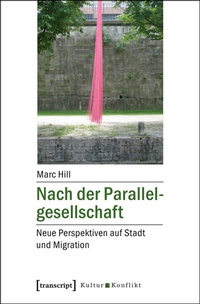
Nach der Parallelgesellschaft
Neue Perspektiven auf Stadt und Migration
1st Edition
Published on 15. July 2016
252 pages
978-3-8394-3199-3 (ISBN)
Description

Die Bronx, Neukölln, Banlieues und jetzt Molenbeek - alle Bezirke tauchen in negativen Wissensproduktionen auf und werden als Parallelgesellschaften diskreditiert. Einmal mehr zeigt sich, dass sich so erkenntnishemmende Sichtweisen auf Stadt und Migration bilden. Marc Hill durchkreuzt stigmatisierende Großstadtdiskurse und betrachtet sie aus entgegengesetzter Perspektive. Dabei trifft er auf mehrheimische Biografien und postmigrantische Lebensentwürfe inmitten eines weltoffenen Bahnhofsviertels am Wörthersee. Fernab von Ballungsräumen ergibt sich aus der Erfahrung der Migration die Erkenntnis: Urbanität und Demokratie sind auf marginalisierungskritische Kompetenzen angewiesen, damit die Alltagsrelevanz von Vielfalt ins Bewusstsein gerät.
Reviews / Votes
Besprochen in:www.migration-news.ch, 21.07.2016Literaturdatenbank ORLIS, 11 (2016)www.kommunalweb.de, 11 (2016)Forum Wohnen und Stadtentwicklung, 2 (2017)Diplomatisches Magazin, 5 (2017)German Studies Review, 41/3 (2018), Christiane SteckenbillerMore details
Other editions
Additional editions
Book
06/2016
1st Edition
transcript
€34.99
Article exhausted; check different version
Person
Author
Marc Hill, Universität Innsbruck, Österreich
Marc Hill ist Professor an der Fakultät für Bildungswissenschaften der Universität Innsbruck und Faculty-Mitglied des DKs »Dynamiken von Ungleichheit und Differenz im Zeitalter der Globalisierung«. Seine Schwerpunkte sind Diversität, Solidarität und Urbanität, insbesondere Postmigrantische Studien. Darüber hinaus beschäftigt er sich mit Citizen Science und Wissenstransfer, zuletzt im Projekt »Universität bewegt die Stadt«. Mit Blick auf Forschung und Lehre interessieren ihn Bildung in der Kunst, Diversität in Fortbildungsprogrammen und Hochschulkontexten, Lebensentwürfe von Jugendlichen, Marginalisierungskritik, Urbanes Zusammenleben, Vielfalt und Stadtentwicklung sowie solidarische Allianzen.
ISNI:
Content
1 - Inhalt [Seite 5]
2 - Einleitung [Seite 7]
3 - 1. Perspektiven auf Stadt und Migration [Seite 13]
3.1 - 1.1 Dystopien in klassischen Texten [Seite 15]
3.2 - 1.2 Dystopien aus heutiger Sicht [Seite 28]
3.3 - 1.3 Auf der Suche nach neuen Perspektiven [Seite 37]
4 - 2. Marginalisierungswissen [Seite 43]
4.1 - 2.1 Was ist Marginalisierung? [Seite 44]
4.2 - 2.2 Leitbilder gegen Marginalisierung [Seite 63]
4.3 - 2.3 Reproduktionen des Wissens [Seite 69]
5 - 3. Machtverhältnisse [Seite 71]
5.1 - 3.1 Ordnungen [Seite 73]
5.2 - 3.2 Marginalisierungsdispositive [Seite 85]
5.3 - 3.3 Reproduktionen der Verhältnisse [Seite 101]
6 - 4. Subjektposition in der Forschung [Seite 105]
7 - 5. Erkundungsfragen [Seite 119]
7.1 - 5.1 Methodologie [Seite 122]
7.2 - 5.2 Forschungsabläufe [Seite 127]
7.3 - 5.3 Re-/De-/Konstruktionen [Seite 136]
8 - 6. Biografieprotokolle [Seite 139]
8.1 - 6.1 Frau Panova - Marginalisierung färbt ab [Seite 142]
8.2 - 6.2 Frau Buckley - Ein Problem der Anderen [Seite 156]
8.3 - 6.3 Herr Stjevo - Stigma-Management [Seite 170]
8.4 - 6.4 Frau Ibrahimi - Kulturexperimente [Seite 178]
8.5 - 6.5 Fatih - Sozialer Aufstieg [Seite 190]
8.6 - 6.6 Migration wertet Städte auf [Seite 199]
9 - 7. Alltagspraxen 2.0 [Seite 203]
9.1 - 7.1 Liem - Selbstethnisierung als Strategie [Seite 209]
9.2 - 7.2 Elias - Identifikation mit dem Viertel [Seite 211]
9.3 - 7.3 Tiada - Urbanität als Lebensstil [Seite 212]
9.4 - 7.4 Andhakari - Andere zur Rede stellen [Seite 214]
9.5 - 7.5 Anja - Umdeutung von Zuschreibungen [Seite 216]
9.6 - 7.6 Jugendliche erzeugen ein neues Bewusstsein [Seite 218]
10 - 8. Nach der Parallelgesellschaft [Seite 225]
11 - Literaturverzeichnis [Seite 233]
12 - Anhang [Seite 245]
13 - Dank [Seite 249]
2 - Einleitung [Seite 7]
3 - 1. Perspektiven auf Stadt und Migration [Seite 13]
3.1 - 1.1 Dystopien in klassischen Texten [Seite 15]
3.2 - 1.2 Dystopien aus heutiger Sicht [Seite 28]
3.3 - 1.3 Auf der Suche nach neuen Perspektiven [Seite 37]
4 - 2. Marginalisierungswissen [Seite 43]
4.1 - 2.1 Was ist Marginalisierung? [Seite 44]
4.2 - 2.2 Leitbilder gegen Marginalisierung [Seite 63]
4.3 - 2.3 Reproduktionen des Wissens [Seite 69]
5 - 3. Machtverhältnisse [Seite 71]
5.1 - 3.1 Ordnungen [Seite 73]
5.2 - 3.2 Marginalisierungsdispositive [Seite 85]
5.3 - 3.3 Reproduktionen der Verhältnisse [Seite 101]
6 - 4. Subjektposition in der Forschung [Seite 105]
7 - 5. Erkundungsfragen [Seite 119]
7.1 - 5.1 Methodologie [Seite 122]
7.2 - 5.2 Forschungsabläufe [Seite 127]
7.3 - 5.3 Re-/De-/Konstruktionen [Seite 136]
8 - 6. Biografieprotokolle [Seite 139]
8.1 - 6.1 Frau Panova - Marginalisierung färbt ab [Seite 142]
8.2 - 6.2 Frau Buckley - Ein Problem der Anderen [Seite 156]
8.3 - 6.3 Herr Stjevo - Stigma-Management [Seite 170]
8.4 - 6.4 Frau Ibrahimi - Kulturexperimente [Seite 178]
8.5 - 6.5 Fatih - Sozialer Aufstieg [Seite 190]
8.6 - 6.6 Migration wertet Städte auf [Seite 199]
9 - 7. Alltagspraxen 2.0 [Seite 203]
9.1 - 7.1 Liem - Selbstethnisierung als Strategie [Seite 209]
9.2 - 7.2 Elias - Identifikation mit dem Viertel [Seite 211]
9.3 - 7.3 Tiada - Urbanität als Lebensstil [Seite 212]
9.4 - 7.4 Andhakari - Andere zur Rede stellen [Seite 214]
9.5 - 7.5 Anja - Umdeutung von Zuschreibungen [Seite 216]
9.6 - 7.6 Jugendliche erzeugen ein neues Bewusstsein [Seite 218]
10 - 8. Nach der Parallelgesellschaft [Seite 225]
11 - Literaturverzeichnis [Seite 233]
12 - Anhang [Seite 245]
13 - Dank [Seite 249]
