

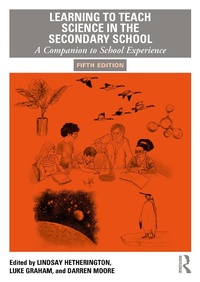
Learning to Teach Science in the Secondary School
A Companion to School Experience
5th Edition
Published on 27. June 2024
346 pages
978-1-040-03308-1 (ISBN)
Description

Learning to Teach Science in the Secondary School is an indispensable guide to the process, practice, and reality of learning to teach science in a busy secondary school. Written by experienced teachers and expert academics, it explores core debates and topics in science education, providing practical and insightful advice with research and theory to support your development as a teacher.
This fully updated fifth edition focuses on the knowledge and skills you will need to develop your science teaching including key approaches to teaching physics, chemistry, and biology, lesson and curriculum planning, and assessment. There are also new chapters on:
Safety in science teaching
The science of learning for teaching science
Mathematics and learning science
Science for social justice
Inclusive and adaptive science teaching
Making use of research: practical guidance for science teachers
Written with university and school-based initial teacher education in mind and including learning objectives, lists of useful resources, and specially designed tasks in every chapter Learning to Teach Science in the Secondary School offers all student and early career teachers accessible and comprehensive guidance to support the journey of becoming an effective science teacher.
This fully updated fifth edition focuses on the knowledge and skills you will need to develop your science teaching including key approaches to teaching physics, chemistry, and biology, lesson and curriculum planning, and assessment. There are also new chapters on:
Safety in science teaching
The science of learning for teaching science
Mathematics and learning science
Science for social justice
Inclusive and adaptive science teaching
Making use of research: practical guidance for science teachers
Written with university and school-based initial teacher education in mind and including learning objectives, lists of useful resources, and specially designed tasks in every chapter Learning to Teach Science in the Secondary School offers all student and early career teachers accessible and comprehensive guidance to support the journey of becoming an effective science teacher.
Reviews / Votes
"Learning to Teach Science in the Secondary School (5th Edition) is a useful guide providing invaluable advice for trainees and early career Science teachers alike. The new chapters on using research equip teachers for the research informed landscape that is shaping modern Science education. A superb addition to any trainee Science teacher's reading list." - Holly Kirkbride, Director of Science, Ted Wragg Trust"an authoritative guide, written by experts, which will be important reading for all those involved in science education" - Mark Winterbottom, Professor of Science Education, University of Cambridge.
More details
Series
Edition
5th edition
Language
English
Place of publication
London
United Kingdom
Publishing group
Taylor & Francis Ltd
Target group
College/higher education
Professional and scholarly
Product notice
Reflowable
Illustrations
13 Tables, black and white; 21 Line drawings, black and white; 24 Halftones, black and white; 45 Illustrations, black and white
ISBN-13
978-1-040-03308-1 (9781040033081)
Copyright in bibliographic data and cover images is held by Nielsen Book Services Limited or by the publishers or by their respective licensors: all rights reserved.
Schweitzer Classification
Other editions
Additional editions
Lindsay Hetherington | Luke Graham | Darren Moore
Learning to Teach Science in the Secondary School
A Companion to School Experience
Book
06/2024
5th Edition
Routledge
€205.10
Shipment within 15-20 days
Lindsay Hetherington | Luke Graham | Darren Moore
Learning to Teach Science in the Secondary School
A Companion to School Experience
Book
06/2024
5th Edition
Routledge
€46.80
Shipment within 15-20 days

Learning to Teach Science in the Secondary School
A Companion to School Experience
Book
05/2024
Taylor & Francis
Unfortunately, price unknown
Article exhausted; check different version
Persons
Lindsay Hetherington is Associate Professor of Science Education at the University of Exeter, UK.
Luke Graham is Lecturer in Education at the University of Exeter, UK.
Darren Moore is Senior Lecturer in Education at the University of Exeter, UK.
Luke Graham is Lecturer in Education at the University of Exeter, UK.
Darren Moore is Senior Lecturer in Education at the University of Exeter, UK.
Content
INTRODUCTION
1 BECOMING A SCIENCE TEACHER
2 USING REFLECTION, EVALUATION, AND METACOGNITION IN LEARNING TO TEACH SCIENCE
3 SAFETY IN SCIENCE TEACHING
4 THE NATURE OF SCIENCE
5 TEACHING BIOLOGY
6 TEACHING CHEMISTRY
7 TEACHING PHYSICS
8 PLANNING FOR PROGRESSION IN SCIENCE
9 THE SCIENCE OF LEARNING
10 CONSTRUCTIVIST APPROACHES TO LEARNING AND TEACHING SCIENCE
11 MODELS AND MODELLING IN SCIENCE TEACHING
12 USING DIGITAL TECHNOLOGIES TO SUPPORT LEARNING AND TEACHING IN SCIENCE
13 PRACTICAL WORK
14 LANGUAGE AND LEARNING SCIENCE
15 MATHEMATICS IN THE SCIENCE CURRICULUM
16 FORMATIVE ASSESSMENT IN SCIENCE
17 SUMMATIVE ASSESSMENT IN SCIENCE
18 INCLUSIVE AND ADAPTIVE SCIENCE TEACHING
19 TEACHING SCIENCE FOR SOCIAL AND ENVIRONMENTAL JUSTICE
20 IS EDUCATION RESEARCH VALUABLE FOR TEACHERS OF SCIENCE?
21 PUTTING RESEARCH INTO PRACTICE
References
1 BECOMING A SCIENCE TEACHER
2 USING REFLECTION, EVALUATION, AND METACOGNITION IN LEARNING TO TEACH SCIENCE
3 SAFETY IN SCIENCE TEACHING
4 THE NATURE OF SCIENCE
5 TEACHING BIOLOGY
6 TEACHING CHEMISTRY
7 TEACHING PHYSICS
8 PLANNING FOR PROGRESSION IN SCIENCE
9 THE SCIENCE OF LEARNING
10 CONSTRUCTIVIST APPROACHES TO LEARNING AND TEACHING SCIENCE
11 MODELS AND MODELLING IN SCIENCE TEACHING
12 USING DIGITAL TECHNOLOGIES TO SUPPORT LEARNING AND TEACHING IN SCIENCE
13 PRACTICAL WORK
14 LANGUAGE AND LEARNING SCIENCE
15 MATHEMATICS IN THE SCIENCE CURRICULUM
16 FORMATIVE ASSESSMENT IN SCIENCE
17 SUMMATIVE ASSESSMENT IN SCIENCE
18 INCLUSIVE AND ADAPTIVE SCIENCE TEACHING
19 TEACHING SCIENCE FOR SOCIAL AND ENVIRONMENTAL JUSTICE
20 IS EDUCATION RESEARCH VALUABLE FOR TEACHERS OF SCIENCE?
21 PUTTING RESEARCH INTO PRACTICE
References
