


Introduction to Philosophy
Description

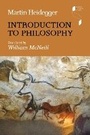
Introduction to Philosophy (volume 27 of Heidegger's Complete Works) presents Heidegger's lecture course delivered in the winter semester of 1928-1929 at the University of Freiburg, translated into English for the first time by William McNeil.
In this lecture series, Heidegger explores two major themes: the relation between philosophy and science and the relation between philosophy and Weltanschauung (worldview). Through extensive analyses of truth, unconcealment, and transcendence, he delves into topics that would expand into his later work.
From being-with and community to the phenomenon of world and the "play" of world, Heidegger covers a wide range of philosophical concepts with unprecedented clarity and profound insight. Introduction to Philosophy offer an encounter with a true master at work.
More details
Other editions
Additional editions
Persons
William McNeill is Professor of Philosophy at DePaul University, Chicago. He is author of several books on Heidegger, most recently The Fate of Phenomenology: Heidegger's Legacy and has translated or cotranslated a number of Heidegger's works, including his three lecture courses on Hölderlin.
Content
Translator's Foreword
Introduction
The Task of an Introduction to Philosophy
Division One: Philosophy and Science
1. What Is Philosophy?
2. The Question Concerning the Essence of Science
3. Truth and Being: On the Original Essence of Truth as Unconcealment
4. Truth-Dasein-Being-With
5. The Realm of the Essence of Truth, and the Essence of Science
6. On the Difference between Science and Philosophy
Division Two: Philosophy and Weltanschauung
1. Weltanschauung and the Concept of World
2. Weltanschauung and Being-in-the-World
3. The Problem of Weltanschauung
4. The Connection between Philosophy and Weltanschauung
Editor's Epilogue
German-English Glossary
English-German Glossary
