

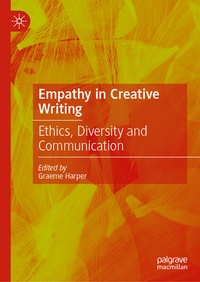
Empathy in Creative Writing
Description

This book provides an important exploration of empathetic practices and approaches in and to creative writing - both as a guide to the practice itself and to the teaching of creative writing. Contributors explore connections forged through creative writing; for instance, between writer and reader. They ask questions about how to represent empathetically, how to approach technical aspects of creative writing with an inclusive lens, how to consider the ethical implications of writerly communication, and about ways to engage in culturally informed writing practices. Ethics, diversity and communication underpin the book. Contributors draw on practical, societal, textual and practice-led perspectives and, through their personal approaches and critical investigations, offer thoughts for further development. This book provides a wide exploration of ethical considerations and impacts in creative writing, and the teaching and learning and researching of creative writing.
More details
Other editions
Additional editions
Person
Graeme Harper is a Dean at Oakland University in Michigan, USA. An award-winning fiction writer, he is also the author or editor of such critical works as The Desire to Write (Palgrave, 2019) and of the journal New Writing (Routledge). Robots and Other Stories (Parlor, 2025) is his latest fiction.
Content
Chapter 1-Introduction.- Section One: Ethics in Creative Writing.- Chapter 2-Creative Writing Ethically, Maybe.- Chapter 3-Returning to Nature: Humanity, Environment, and Creative Writing.- Chapter 4-An Unmediated Imagination: "internal verification" as shortest path toward our Others.- Chapter 5-Fact, Fiction, Fun, Fortune: Does Ethics Matter in Creative Writing?.- Section Two: Diversity, Equity and Inclusion.- Chapter 6-The Inclusive Page: Empathy Through Representation in Creative Writing.- Chpater 7-Writing Gender, Writing Sex: Ideas and Approaches.- Chapter 8-Cripping Empathy: On Disability Poetics .- Chapter 9-Writing from the Roof of the World .- Section Three: Creative Writing as Communication.- Chapter 10-Communicating Between the Self and Others: The Possibility of Empathy with Objects in Creative Writing.- Chapter 11-Shouting into the floor: writing through an audience.- Chapter 12-What Will It Profit?: Appraising Poetry's Apocalyptic Turn.- Chapter 13-Thirteen Acts of Seeing Further: Creative Writing as Text-Image Art and A Quest for Care.
