

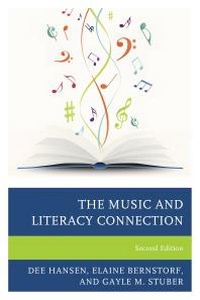
The Music and Literacy Connection
2nd Edition
Published on 24. September 2014
300 pages
978-1-4758-0600-7 (ISBN)
Description

The second edition of The Music and Literacy Connection expands our understanding of the links between reading and music by examining those skills and learning processes that are directly parallel for music learning and language arts literacy in the pre-K, elementary, and secondary levels. This edition includes two new chapters: one dedicated to secondary music education and teacher evaluation, and another that offers a literature review of latest literacy research in education, neuroscience, and neuropsychology. Readers will find extensive instructional examples for music and reading teachers so that they may enrich and support each other in alignment with current initiatives for twenty-first-century curricula. Instructional examples are aligned with The National Core Music Standards and the Common Core State Standards for English Language Arts and Media Arts. Readers will find an in-depth review of the benefits of music learning in the listening, viewing, speaking and writing literacy as well as comprehensive information for children with special needs. The Music and Literacy Connection is a valuable resource for professional development, college literacy courses, and curriculum administrators.
More details
Series
Edition
2nd edition
Language
English
Place of publication
New York
United States
Publishing group
Bloomsbury Publishing Plc
Illustrations
39 b/w illustrations; 22 tables
ISBN-13
978-1-4758-0600-7 (9781475806007)
Copyright in bibliographic data and cover images is held by Nielsen Book Services Limited or by the publishers or by their respective licensors: all rights reserved.
Schweitzer Classification
Other editions
New editions
Dee Hansen | Elaine Bernstorf
The Music and Literacy Connection
E-Book
04/2026
3rd Edition
Bloomsbury Academic
€35.49
Available for download
Additional editions
Dee Hansen | Elaine Bernstorf | Gayle M. Stuber
The Music and Literacy Connection
Book
09/2014
2nd Edition
Rowman & Littlefield Publishers
€69.70
Shipment within 10-20 days
Dee Hansen | Elaine Bernstorf | Gayle M. Stuber
The Music and Literacy Connection
Book
09/2014
2nd Edition
Rowman & Littlefield Publishers
€133.50
Shipment within 10-20 days
Persons
Dee Hansen, DMA, is professor of music education at The Hartt School, University of Hartford. She is known for her work in literacy and music learning, curriculum and assessment development, and leadership.
Elaine Bernstorf, PhD, CCC-SLP is professor of music education at Wichita State University, Kansas and a speech pathologist known for her work in disabilities, literacy, and arts integration.
Gayle Stuber, PhD, is the Early Childhood Coordinator for the Kansas State Department of
Education. In addition to working with schools across the state, she is actively involved in
national initiatives for early childhood education.
Elaine Bernstorf, PhD, CCC-SLP is professor of music education at Wichita State University, Kansas and a speech pathologist known for her work in disabilities, literacy, and arts integration.
Gayle Stuber, PhD, is the Early Childhood Coordinator for the Kansas State Department of
Education. In addition to working with schools across the state, she is actively involved in
national initiatives for early childhood education.
Content
Foreword
Preface
Acknowledgments
Introduction
Chapter 1 The Threads of the Literacy Fabric: Foundation for The Music and Literacy Connection
Creating a Common Vocabulary
Decoding: Learning Musical Language and about Musical Language
Implications of School-Reform Issues
Implications for Music Educators: The Common Core State Standards for English
Language Arts and the National Core Standards for the Arts
Part I: Principle 1-Children are Interactive Learners.
Chapter 2 Learning Language through Musical Play
The Role of Play in Learning
Theories of Child Development that Support Play
Functional and Practice Play
The Teacher's Role in Play and Literacy Development
Language Learning through Play
The Role of Music in Play and Literacy Learning
Language Literacy and Musical Play
The Teacher's Role
Exercises for Professional Development
Part II: Principle 2-Music Teachers are Literacy Teachers; Classroom Literacy Teachers are Music Teachers.
Chapter 3 Music in the Reading Environment: Decoding
Enhancing Reading Strategies Using Music
Phonological Awareness
Phonemic Awareness
Rhyming
Phonemic Awareness and Phonic Instruction
Sight Identification
Graphophonemic Awareness
Cueing Systems Awareness
Fluency
Exercises for Professional Learning
Chapter 4 Reading in the Music Environment: Decoding
Enhancing Music and Reading Strategies: Completing the Connection Loop
Developing Specific Decoding Skills in the Music Classroom
Exercises for Professional Learning
Chapter 5Music in the Reading Environment:Comprehension
Acquiring Conceptual Understanding
Curricular Integration
Strategies Used Before Reading
Questioning Strategies
Teaching Conceptually
Exercises for Professional Learning
Chapter 6 Reading in the Music Environment: Comprehension
Attention
Working Memory
Long Term Memory
Comprehending Music Elements: Developing Conceptual Understanding of Music
Inquiry the Music Classroom
Modeling
Building a Vocabulary
Cooperative Learning Activities
Some Cooperative Learning Group Techniques
Reflecting on Teaching for Musical Understanding
Exercises for Professional Learning
Part III: Principle 3-Literacy Can Be Taught through Multiple Processes.
Chapter 7Considerations, Adaptations, Enhancements
Music in the Reading Environment:
Decoding Considerations
Comprehension Considerations
Enhancements through Media: Helpful or Hurtful for Comprehension?
Reading in the Music Environment
Decoding Considerations
Comprehension Considerations
Adaptations across Reading and Music Environments
Materials Adaptations
Simplification
Use Iconic Representations or Graphic Cues
Pacing
Task Analysis and Separation
Scaffolding
Repetition
Modeling
Text Reading Enhancements
Music Reading Enhancements
Special Education and English Language Learners
Differentiated Instruction
Music Education Differentiation
Ten Applications for Materials in this Chapter
Exercises for Professional Learning
Chapter 8 Common Connections: Skills and Concepts for Lifelong Learning
Listening, Viewing and Speaking: Building Blocks for Language and Literacy
Connecting Concepts with Skills: LVS Skills First?
Create, Critically Think, Communicate, Collaborate
Common Core Connections with Core Arts
Executive Functions
Arts Education: Language Arts Skills
LVS Skills in Language Arts
LVS Skills in the Music Classroom: Listening, Viewing, Speaking
Anchor Standards: Tooling for Differentiation
Exercise for Professional Learning
Chapter 9 Writing in the Music Classroom
Writing Genres
The Six-Trait Model of Writing
The Six-Trait Model of Writing for Music Composition
Other Writing in Music Class: Journaling
Forms of Writing
Writing for Developmentally Delayed Students
Language and Experiential Aspects
Writing for English Speakers of Other Languages (ESOL)
Teacher Roles
Exercises for Professional Learning
Part IV: Musical Training Provides Lifelong Benefits.
Chapter 10: Literacy Connections for Secondary Students
(Brian Weidner, Contributing Author)
Literacy Skills at the Secondary Level
Decoding
Higher-Order Thinking in Music at the Secondary Level
Higher-Order Thinking and Executive Functioning
21st Century Skills, Executive Functions, and Instructional Strategies
Teacher Evaluations
Exercises for Professional Learning
Chapter 11 A Summary of Research Supporting the Benefits of Music Training
Early Childhood: Play, Musical Experiences, and Musical Development
Emergent Reading Development
Language and Reading Acquisition
Brain and Language Development
Working Memory and Transfer
Attention
Memory, Emotion, and Learning
Experiences for Professional Learning
Appendixes
Appendix I: Assessments of Literacy
Appendix II: SMART Board Applications
Appendix III: Cross-Disciplinary Literacy Examples
Appendix IV: Analytic Scoring Guide for Evaluating Music Composition
Bibliography
Preface
Acknowledgments
Introduction
Chapter 1 The Threads of the Literacy Fabric: Foundation for The Music and Literacy Connection
Creating a Common Vocabulary
Decoding: Learning Musical Language and about Musical Language
Implications of School-Reform Issues
Implications for Music Educators: The Common Core State Standards for English
Language Arts and the National Core Standards for the Arts
Part I: Principle 1-Children are Interactive Learners.
Chapter 2 Learning Language through Musical Play
The Role of Play in Learning
Theories of Child Development that Support Play
Functional and Practice Play
The Teacher's Role in Play and Literacy Development
Language Learning through Play
The Role of Music in Play and Literacy Learning
Language Literacy and Musical Play
The Teacher's Role
Exercises for Professional Development
Part II: Principle 2-Music Teachers are Literacy Teachers; Classroom Literacy Teachers are Music Teachers.
Chapter 3 Music in the Reading Environment: Decoding
Enhancing Reading Strategies Using Music
Phonological Awareness
Phonemic Awareness
Rhyming
Phonemic Awareness and Phonic Instruction
Sight Identification
Graphophonemic Awareness
Cueing Systems Awareness
Fluency
Exercises for Professional Learning
Chapter 4 Reading in the Music Environment: Decoding
Enhancing Music and Reading Strategies: Completing the Connection Loop
Developing Specific Decoding Skills in the Music Classroom
Exercises for Professional Learning
Chapter 5Music in the Reading Environment:Comprehension
Acquiring Conceptual Understanding
Curricular Integration
Strategies Used Before Reading
Questioning Strategies
Teaching Conceptually
Exercises for Professional Learning
Chapter 6 Reading in the Music Environment: Comprehension
Attention
Working Memory
Long Term Memory
Comprehending Music Elements: Developing Conceptual Understanding of Music
Inquiry the Music Classroom
Modeling
Building a Vocabulary
Cooperative Learning Activities
Some Cooperative Learning Group Techniques
Reflecting on Teaching for Musical Understanding
Exercises for Professional Learning
Part III: Principle 3-Literacy Can Be Taught through Multiple Processes.
Chapter 7Considerations, Adaptations, Enhancements
Music in the Reading Environment:
Decoding Considerations
Comprehension Considerations
Enhancements through Media: Helpful or Hurtful for Comprehension?
Reading in the Music Environment
Decoding Considerations
Comprehension Considerations
Adaptations across Reading and Music Environments
Materials Adaptations
Simplification
Use Iconic Representations or Graphic Cues
Pacing
Task Analysis and Separation
Scaffolding
Repetition
Modeling
Text Reading Enhancements
Music Reading Enhancements
Special Education and English Language Learners
Differentiated Instruction
Music Education Differentiation
Ten Applications for Materials in this Chapter
Exercises for Professional Learning
Chapter 8 Common Connections: Skills and Concepts for Lifelong Learning
Listening, Viewing and Speaking: Building Blocks for Language and Literacy
Connecting Concepts with Skills: LVS Skills First?
Create, Critically Think, Communicate, Collaborate
Common Core Connections with Core Arts
Executive Functions
Arts Education: Language Arts Skills
LVS Skills in Language Arts
LVS Skills in the Music Classroom: Listening, Viewing, Speaking
Anchor Standards: Tooling for Differentiation
Exercise for Professional Learning
Chapter 9 Writing in the Music Classroom
Writing Genres
The Six-Trait Model of Writing
The Six-Trait Model of Writing for Music Composition
Other Writing in Music Class: Journaling
Forms of Writing
Writing for Developmentally Delayed Students
Language and Experiential Aspects
Writing for English Speakers of Other Languages (ESOL)
Teacher Roles
Exercises for Professional Learning
Part IV: Musical Training Provides Lifelong Benefits.
Chapter 10: Literacy Connections for Secondary Students
(Brian Weidner, Contributing Author)
Literacy Skills at the Secondary Level
Decoding
Higher-Order Thinking in Music at the Secondary Level
Higher-Order Thinking and Executive Functioning
21st Century Skills, Executive Functions, and Instructional Strategies
Teacher Evaluations
Exercises for Professional Learning
Chapter 11 A Summary of Research Supporting the Benefits of Music Training
Early Childhood: Play, Musical Experiences, and Musical Development
Emergent Reading Development
Language and Reading Acquisition
Brain and Language Development
Working Memory and Transfer
Attention
Memory, Emotion, and Learning
Experiences for Professional Learning
Appendixes
Appendix I: Assessments of Literacy
Appendix II: SMART Board Applications
Appendix III: Cross-Disciplinary Literacy Examples
Appendix IV: Analytic Scoring Guide for Evaluating Music Composition
Bibliography
