

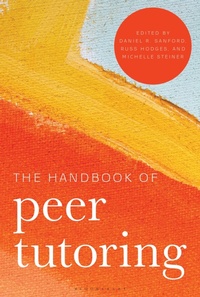
The Handbook of Peer Tutoring
Bloomsbury Academic (Publisher)
1st Edition
Published on 16. October 2025
472 pages
979-8-7651-5524-0 (ISBN)
Description

The Handbook of Peer Tutoring is the authoritative resource on the emerging interdisciplinary field of peer tutoring in higher education. Addressing the multiple audiences of undergraduate tutors in advanced trainings, students immersing themselves in the research of learning and writing centers, professionals seeking to understand the history and current state of the field, and researchers specializing in peer-led learning, the book gathers in one volume the voices that define the current state of the field. In doing so, it brings authors and ideas from previously discrete areas of study (learning centers, writing centers, the scholarship of teaching & learning, communication, composition, developmental education, psychology, and others) into conversation with one another, and advances the case for a single, shared scholarship of post-secondary peer tutoring that spans numerous disciplines, professional communities, and continents. Each contribution establishes the state of the research with a respect to a specific question or topic, and proposes directions for future research. Collectively, the volume both synthesizes and advances the state of the field, while also providing a roadmap for its future growth.
More details
Edition
1. Auflage
Language
English
Place of publication
New York
United States
Publishing group
Bloomsbury Publishing Plc
ISBN-13
979-8-7651-5524-0 (9798765155240)
Copyright in bibliographic data and cover images is held by Nielsen Book Services Limited or by the publishers or by their respective licensors: all rights reserved.
Schweitzer Classification
Other editions
Additional editions
Daniel Sanford | Michelle Steiner | Russ Hodges
The Handbook of Peer Tutoring
Book
approx. 01/2026
Rowman & Littlefield Publishers
€56.00
Not yet published
Persons
Daniel Sanford, Ph.D. is the director of the Center for Teaching and Learning at Boise State University. He is a cognitive scientist, higher education administrator, and faculty developer, with a wealth of experience making the mechanisms of the brain accessible and intuitive to both students and educators. Daniel Sanford is the author of the Rowman & Littlefield Guide for Peer Tutors, and co-author of the Rowman & Littlefield Guide to Learning Center Administration.
Dr. Russ Hodges is an associate professor in the College of Education at Texas State University (TXST), where he co-created the nation's first PhD program in developmental education. Dr. Hodges also coordinates TXST's learning frameworks (how-to-study) course for undergraduates. His current research focuses on postsecondary student success interventions including student success courses, peer-mentoring, peer-tutoring and academic coaching. Among his many publications, Dr. Hodges is co-author of Academic Transformation: The Road to College Success (2005, 2011, 2015, Pearson), co-editor of Handbook for Training Peer Tutors and Mentors (2012, College Reading and Learning Association & Cengage), and co-editor of Teaching Study Strategies in Developmental Education: Readings on Theory, Research and Best Practices (2012, Bedford/St Martin's). Dr. Hodges has held leadership positions including treasurer and president of the College Reading and Learning Association (CRLA), chair of the Council of Learning Assistance and Developmental Education Associations (CLADEA), and co-founder and current co-editor of the Journal of College Academic Support Programs. Dr. Hodges has received many awards throughout his career including the Diversity and Inclusion Faculty Award, TXST, 2020; Gladys R. Shaw Outstanding Service to Developmental Education Students Award, NOSS, 2016; Distinguished Teaching Award, CRLA, 2015; Teaching Award of Honor, TXST Alumni Association, 2015; National Fellow, CLADEA, 2009; Lifetime Achievement Award, CASP, 2008, and the Robert Griffin Long and Outstanding Service Award, CRLA, 2007.
Dr. Michelle Steiner is assistant vice president for student success at Marymount University. She has led professional teams at a variety of higher education institutions in the areas of academic advising, academic coaching, peer tutoring, and disability services. Under her leadership, The Center for Academic Support at the University of New Mexico was awarded the Frank L. Christ Outstanding Learning Center Award in 2012 by the National College Learning Center Association (NCLCA). Dr. Steiner is the founding Director of the Student Academic Hub, which provides academic support for all Marymount students, and is co-chair of Marymount's Retention and Graduation Committee. In October 2022, Marymount University was awarded a Department of Education Strengthening Institutional Programs grant for $2M over 5 years; Dr. Steiner, as one of the grant writers and now Director on the grant, will enhance academic support for first- and second-year students in the areas of teaching, tutoring, and advising. Dr. Steiner is the co-author of the Rowman & Littlefield Guide to Learning Center Administration.
Dr. Russ Hodges is an associate professor in the College of Education at Texas State University (TXST), where he co-created the nation's first PhD program in developmental education. Dr. Hodges also coordinates TXST's learning frameworks (how-to-study) course for undergraduates. His current research focuses on postsecondary student success interventions including student success courses, peer-mentoring, peer-tutoring and academic coaching. Among his many publications, Dr. Hodges is co-author of Academic Transformation: The Road to College Success (2005, 2011, 2015, Pearson), co-editor of Handbook for Training Peer Tutors and Mentors (2012, College Reading and Learning Association & Cengage), and co-editor of Teaching Study Strategies in Developmental Education: Readings on Theory, Research and Best Practices (2012, Bedford/St Martin's). Dr. Hodges has held leadership positions including treasurer and president of the College Reading and Learning Association (CRLA), chair of the Council of Learning Assistance and Developmental Education Associations (CLADEA), and co-founder and current co-editor of the Journal of College Academic Support Programs. Dr. Hodges has received many awards throughout his career including the Diversity and Inclusion Faculty Award, TXST, 2020; Gladys R. Shaw Outstanding Service to Developmental Education Students Award, NOSS, 2016; Distinguished Teaching Award, CRLA, 2015; Teaching Award of Honor, TXST Alumni Association, 2015; National Fellow, CLADEA, 2009; Lifetime Achievement Award, CASP, 2008, and the Robert Griffin Long and Outstanding Service Award, CRLA, 2007.
Dr. Michelle Steiner is assistant vice president for student success at Marymount University. She has led professional teams at a variety of higher education institutions in the areas of academic advising, academic coaching, peer tutoring, and disability services. Under her leadership, The Center for Academic Support at the University of New Mexico was awarded the Frank L. Christ Outstanding Learning Center Award in 2012 by the National College Learning Center Association (NCLCA). Dr. Steiner is the founding Director of the Student Academic Hub, which provides academic support for all Marymount students, and is co-chair of Marymount's Retention and Graduation Committee. In October 2022, Marymount University was awarded a Department of Education Strengthening Institutional Programs grant for $2M over 5 years; Dr. Steiner, as one of the grant writers and now Director on the grant, will enhance academic support for first- and second-year students in the areas of teaching, tutoring, and advising. Dr. Steiner is the co-author of the Rowman & Littlefield Guide to Learning Center Administration.
Content
Foreword. Saundra McGuire, Louisiana State University.
Introduction: The Emerging Interdisciplinary Scholarship of Peer Tutoring in Higher Education. Daniel R. Sanford, Boise State University.
I. Peer Tutoring Essentials
1. The History of Peer Tutoring in Higher Education. David R. Arendale, University of Minnesota.
2. The Effectiveness of Peer Tutoring for Students in Higher Education. Mitchell Colver, American Public University System, & Heather Carroll, Medical College of Wisconsin.
3. The Effectiveness of Peer Tutoring for Peer Tutors in Higher Education: Research, Theory, and Practice. Dallin George Young, University of Georgia, & Bryce D. Bunting, Brigham Young University.
II. Topics in Theory
4. Collaborative Interaction, Active Engagement and Socio-Emotional Learning. Keith J. Topping, University of Dundee Scotland and RUDN University Moscow.
5. Social Dynamics in Peer Tutoring. Janet W. Colvin, Utah Valley University, & Marinda Ashman, Utah Valley University.
6. Linguistic Behaviors in Peer Tutoring. John Nordlof, Eastern University.
7. Question Asking in Peer Tutoring. Natalie K. Person, Rhodes College, Arthur C. Graesser, The University of Memphis, & Cailyn E. Jordan, Rhodes College.
8. An Imperative to Respond: Leveraging the Scholarship of Teaching & Learning to Enhance the Scholarship of Peer Tutoring. Heidi Rivers Marshall, The Chicago School.
9. Reflective Knowledge Building in Peer Tutoring. Rod D. Roscoe, Arizona State University, & Tracy Arner, Arizona State University.
10. Cognitive, Affective, and Behavioural Factors in Peer Tutoring: Fostering Student Engagement. Jane Skalicky, University of Tasmania, & Kathryn French, University of Tasmania.
11. Tutoring People, Not Subjects: Implications from Writing Center Theory for Peer Tutoring. Kem Roper, Athens State University.
12. Paradigms for Understanding the Work of Peer Tutors. James D. Breslin, independent scholar, & Anna G. Sharpe, Berry College.
13. Learning Centers as Cultural Spaces. Lygie Hinkle, Marymount University, & Stacey Blackwell, Rutgers University-New Brunswick.
14. An Exploration of the Key Features of High-Quality Models of Peer-Led Learning. Bryce D. Bunting, Brigham Young University, & Dallin George Young, University of Georgia.
III. Topics in Program Administration
15. Tutor Training. Jennifer Haley, Ball State University.
16. Racial & Cultural Diversity and Peer Tutoring. C. Inez Anders, University of California, Davis, & Kevin Sitz, University of California, Davis.
17. Metacognition and Peer Tutoring. Jonathan Vontsteen, Texas State University, Saundra McGuire, Louisiana State University, Lahna Roche, Louisiana State University, & Melissa Brocato, Louisiana State University.
18. Linguistic Diversity and Peer Tutoring: Fostering Linguistic Justice Through Peer Interactions in Postsecondary Institutions.Rachele Lawton, Community College of Baltimore County, & Christa De Kleine, Notre Dame of Maryland University.
19. Peer Tutoring in Online Environments. Page Keller, Knack Technologies, Inc., & Zohreh Fathi, Texas State University.
20. Neurodiversity and Peer Tutoring: A Social Justice Approach. Rene' LeBlanc, Texas State University, Lori Wischnewsky, Texas State University, Jonathan Vontsteen, Texas State University, & Russ Hodges, Texas State University.
21. Assessment of Peer Tutoring Programs. Geoff Bailey, University of Louisville.
Introduction: The Emerging Interdisciplinary Scholarship of Peer Tutoring in Higher Education. Daniel R. Sanford, Boise State University.
I. Peer Tutoring Essentials
1. The History of Peer Tutoring in Higher Education. David R. Arendale, University of Minnesota.
2. The Effectiveness of Peer Tutoring for Students in Higher Education. Mitchell Colver, American Public University System, & Heather Carroll, Medical College of Wisconsin.
3. The Effectiveness of Peer Tutoring for Peer Tutors in Higher Education: Research, Theory, and Practice. Dallin George Young, University of Georgia, & Bryce D. Bunting, Brigham Young University.
II. Topics in Theory
4. Collaborative Interaction, Active Engagement and Socio-Emotional Learning. Keith J. Topping, University of Dundee Scotland and RUDN University Moscow.
5. Social Dynamics in Peer Tutoring. Janet W. Colvin, Utah Valley University, & Marinda Ashman, Utah Valley University.
6. Linguistic Behaviors in Peer Tutoring. John Nordlof, Eastern University.
7. Question Asking in Peer Tutoring. Natalie K. Person, Rhodes College, Arthur C. Graesser, The University of Memphis, & Cailyn E. Jordan, Rhodes College.
8. An Imperative to Respond: Leveraging the Scholarship of Teaching & Learning to Enhance the Scholarship of Peer Tutoring. Heidi Rivers Marshall, The Chicago School.
9. Reflective Knowledge Building in Peer Tutoring. Rod D. Roscoe, Arizona State University, & Tracy Arner, Arizona State University.
10. Cognitive, Affective, and Behavioural Factors in Peer Tutoring: Fostering Student Engagement. Jane Skalicky, University of Tasmania, & Kathryn French, University of Tasmania.
11. Tutoring People, Not Subjects: Implications from Writing Center Theory for Peer Tutoring. Kem Roper, Athens State University.
12. Paradigms for Understanding the Work of Peer Tutors. James D. Breslin, independent scholar, & Anna G. Sharpe, Berry College.
13. Learning Centers as Cultural Spaces. Lygie Hinkle, Marymount University, & Stacey Blackwell, Rutgers University-New Brunswick.
14. An Exploration of the Key Features of High-Quality Models of Peer-Led Learning. Bryce D. Bunting, Brigham Young University, & Dallin George Young, University of Georgia.
III. Topics in Program Administration
15. Tutor Training. Jennifer Haley, Ball State University.
16. Racial & Cultural Diversity and Peer Tutoring. C. Inez Anders, University of California, Davis, & Kevin Sitz, University of California, Davis.
17. Metacognition and Peer Tutoring. Jonathan Vontsteen, Texas State University, Saundra McGuire, Louisiana State University, Lahna Roche, Louisiana State University, & Melissa Brocato, Louisiana State University.
18. Linguistic Diversity and Peer Tutoring: Fostering Linguistic Justice Through Peer Interactions in Postsecondary Institutions.Rachele Lawton, Community College of Baltimore County, & Christa De Kleine, Notre Dame of Maryland University.
19. Peer Tutoring in Online Environments. Page Keller, Knack Technologies, Inc., & Zohreh Fathi, Texas State University.
20. Neurodiversity and Peer Tutoring: A Social Justice Approach. Rene' LeBlanc, Texas State University, Lori Wischnewsky, Texas State University, Jonathan Vontsteen, Texas State University, & Russ Hodges, Texas State University.
21. Assessment of Peer Tutoring Programs. Geoff Bailey, University of Louisville.
