

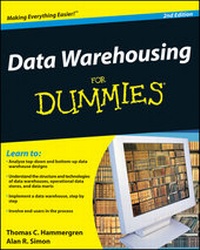
Data Warehousing For Dummies
2nd Edition
Published on 18. February 2009
384 pages
978-0-470-48290-2 (ISBN)
Description

Data warehousing is one of the hottest business topics, andthere's more to understanding data warehousing technologiesthan you might think. Find out the basics of data warehousing andhow it facilitates data mining and business intelligence withData Warehousing For Dummies, 2nd Edition.
Data is probably your company's most important asset, soyour data warehouse should serve your needs. The fullyupdated Second Edition of Data Warehousing For Dummies helpsyou understand, develop, implement, and use data warehouses, andoffers a sneak peek into their future. You'll learn to:
* Analyze top-down and bottom-up data warehouse designs
* Understand the structure and technologies of data warehouses,operational data stores, and data marts
* Choose your project team and apply best development practicesto your data warehousing projects
* Implement a data warehouse, step by step, and involve end-usersin the process
* Review and upgrade existing data storage to make it serve yourneeds
* Comprehend OLAP, column-wise databases, hardware assisteddatabases, and middleware
* Use data mining intelligently and find what you need
* Make informed choices about consultants and data warehousingproducts
Data Warehousing For Dummies, 2nd Edition also shows youhow to involve users in the testing process and gain valuablefeedback, what it takes to successfully manage a data warehouseproject, and how to tell if your project is on track. You'llfind it's the most useful source of data on the topic!
Data is probably your company's most important asset, soyour data warehouse should serve your needs. The fullyupdated Second Edition of Data Warehousing For Dummies helpsyou understand, develop, implement, and use data warehouses, andoffers a sneak peek into their future. You'll learn to:
* Analyze top-down and bottom-up data warehouse designs
* Understand the structure and technologies of data warehouses,operational data stores, and data marts
* Choose your project team and apply best development practicesto your data warehousing projects
* Implement a data warehouse, step by step, and involve end-usersin the process
* Review and upgrade existing data storage to make it serve yourneeds
* Comprehend OLAP, column-wise databases, hardware assisteddatabases, and middleware
* Use data mining intelligently and find what you need
* Make informed choices about consultants and data warehousingproducts
Data Warehousing For Dummies, 2nd Edition also shows youhow to involve users in the testing process and gain valuablefeedback, what it takes to successfully manage a data warehouseproject, and how to tell if your project is on track. You'llfind it's the most useful source of data on the topic!
More details
Other editions
Additional editions
Thomas C. Hammergren
Data Warehousing For Dummies
Book
02/2009
2nd Edition
Wiley
€37.50
Shipment within 10-20 days
Person
Thomas C. Hammergren has been involved with business intelligence and data warehousing since the 1980s. He has helped such companies as Procter & Gamble, Nike, FirstEnergy, Duke Energy, AT&T, and Equifax build business intelligence and performance management strategies, competencies, and solutions. Alan R. Simon is a data warehousing expert and author of many books on data warehousing.
Content
Introduction.
Part I: The Data Warehouse: Home for Your DataAssets.
Chapter 1: What's in a Data Warehouse?
Chapter 2: What Should You Expect from Your Data Warehouse?
Chapter 3: Have It Your Way: The Structure of a DataWarehouse.
Chapter 4: Data Marts: Your Retail Data Outlet.
Part II: Data Warehousing Technology.
Chapter 5: Relational Databases and Data Warehousing.
Chapter 6: Specialty Databases and Data Warehousing.
Chapter 7: Stuck in the Middle with You: Data WarehousingMiddleware.
Part III: Business Intelligence and Data Warehousing.
Chapter 8: An Intelligent Look at Business Intelligence.
Chapter 9: Simple Database Querying and Reporting.
Chapter 10: Business Analysis (OLAP).
Chapter 11: Data Mining: Hi-Ho, Hi-Ho, It's Off to Mine WeGo.
Chapter 12: Dashboards and Scorecards.
Part IV: Data Warehousing Projects: How to Do ThemRight.
Chapter 13: Data Warehousing and Other IT Projects: The Same butDifferent.
Chapter 14: Building a Winning Data Warehousing ProjectTeam.
Chapter 15: You Need What? When? -- CapturingRequirements.
Chapter 16: Analyzing Data Sources.
Chapter 17: Delivering the Goods.
Chapter 18: User Testing, Feedback, and Acceptance.
Part V: Data Warehousing: The Big Picture.
Chapter 19: The Information Value Chain: Connecting Internal andExternal Data.
Chapter 20: Data Warehousing Driving Quality andIntegration.
Chapter 21: The View from the Executive Boardroom.
Chapter 22: Existing Sort-of Data Warehouses: Upgrade orReplace?
Chapter 23: Surviving in the Computer Industry (and HandlingVendors).
Chapter 24: Working with Data Warehousing Consultants.
Part VI: Data Warehousing in the Not-Too-DistantFuture.
Chapter 25: Expanding Your Data Warehouse with UnstructuredData.
Chapter 26: Agreeing to Disagree about Semantics.
Chapter 27: Collaborative Business Intelligence.
Part VII: The Part of Tens.
Chapter 28: Ten Questions to Consider When You'reSelecting User Tools.
Chapter 29: Ten Secrets to Managing Your ProjectSuccessfully.
Chapter 30: Ten Sources of Up-to-Date Information about DataWarehousing.
Chapter 31: Ten Mandatory Skills for a Data WarehousingConsultant.
Chapter 32: Ten Signs of a Data Warehousing Project inTrouble.
Chapter 33: Ten Signs of a Successful Data WarehousingProject.
Chapter 34: Ten Subject Areas to Cover with Product Vendors.
Index.
Part I: The Data Warehouse: Home for Your DataAssets.
Chapter 1: What's in a Data Warehouse?
Chapter 2: What Should You Expect from Your Data Warehouse?
Chapter 3: Have It Your Way: The Structure of a DataWarehouse.
Chapter 4: Data Marts: Your Retail Data Outlet.
Part II: Data Warehousing Technology.
Chapter 5: Relational Databases and Data Warehousing.
Chapter 6: Specialty Databases and Data Warehousing.
Chapter 7: Stuck in the Middle with You: Data WarehousingMiddleware.
Part III: Business Intelligence and Data Warehousing.
Chapter 8: An Intelligent Look at Business Intelligence.
Chapter 9: Simple Database Querying and Reporting.
Chapter 10: Business Analysis (OLAP).
Chapter 11: Data Mining: Hi-Ho, Hi-Ho, It's Off to Mine WeGo.
Chapter 12: Dashboards and Scorecards.
Part IV: Data Warehousing Projects: How to Do ThemRight.
Chapter 13: Data Warehousing and Other IT Projects: The Same butDifferent.
Chapter 14: Building a Winning Data Warehousing ProjectTeam.
Chapter 15: You Need What? When? -- CapturingRequirements.
Chapter 16: Analyzing Data Sources.
Chapter 17: Delivering the Goods.
Chapter 18: User Testing, Feedback, and Acceptance.
Part V: Data Warehousing: The Big Picture.
Chapter 19: The Information Value Chain: Connecting Internal andExternal Data.
Chapter 20: Data Warehousing Driving Quality andIntegration.
Chapter 21: The View from the Executive Boardroom.
Chapter 22: Existing Sort-of Data Warehouses: Upgrade orReplace?
Chapter 23: Surviving in the Computer Industry (and HandlingVendors).
Chapter 24: Working with Data Warehousing Consultants.
Part VI: Data Warehousing in the Not-Too-DistantFuture.
Chapter 25: Expanding Your Data Warehouse with UnstructuredData.
Chapter 26: Agreeing to Disagree about Semantics.
Chapter 27: Collaborative Business Intelligence.
Part VII: The Part of Tens.
Chapter 28: Ten Questions to Consider When You'reSelecting User Tools.
Chapter 29: Ten Secrets to Managing Your ProjectSuccessfully.
Chapter 30: Ten Sources of Up-to-Date Information about DataWarehousing.
Chapter 31: Ten Mandatory Skills for a Data WarehousingConsultant.
Chapter 32: Ten Signs of a Data Warehousing Project inTrouble.
Chapter 33: Ten Signs of a Successful Data WarehousingProject.
Chapter 34: Ten Subject Areas to Cover with Product Vendors.
Index.
