

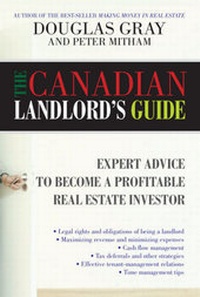
The Canadian Landlord's Guide
Expert Advice for the Profitable Real Estate Investor
1st Edition
Published on 9. January 2015
376 pages
978-0-470-15659-9 (ISBN)
Description

The ultimate resource for Canadian residential landlords.
Anyone can become a landlord, but not everyone will be aprofitable landlord. Distilling over 35 years of hisfirst-hand experience, Doug Gray, one of Canada's mostrespected real estate authors and experts, guides readers on how tobecome a successful landlord.
Following the effective and proven formula of his previousbestsellers, The Canadian Landlord Guide fills the void ofinformation on Canadian landlording. Some of the covered topicsinclude:
* Principles and formulas for profitable landlording
* Understanding how the real estate market works
* The pitfalls of real estate investing and how to avoidthem
* Types of rental formats
* Where to get information on prospective properties
* How to finance real estate investments
* The legal aspects of buying and renting property
* Tenant selection
* Property maintenance
Filled with easy-to-understand and credible advice, TheCanadian Landlord Guide is a must-have resource for allCanadian landlords. Seasoned professionals and aspiring beginnersalike will find Doug Gray's landlording guide to be one oftheir key tools in their quest for real estate success.
Doug Gray, B.A., LL.B. (Vancouver, BC) has been buying,renovating, and renting real estate for 35 years. In addition tobeing a successful real estate entrepreneur, Doug has written over28 bestselling real estate, business, and personal finance titles,including Making Money in Real Estate (978-0-470-83620-0)and The Canadian Snowbird Guide (978-0-470-15375-8).
More details
Other editions
Additional editions
Douglas Gray | Peter Mitham
The Canadian Landlord's Guide
Expert Advice for the Profitable Real Estate Investor
Book
12/2008
1st Edition
Wiley
€37.50
Article exhausted; check different version
Persons
Douglas Gray, B.A., LL.B. (Vancouver, Canada), formerly apracticing real estate and business lawyer, has extensive personaland professional experience on all aspects of real estate, and hasbeen a landlord for over 30 years. He is the author of 26best-selling real estate, business and personal finance books,including Making Money in Real Estate (978-0-470-83620-0)and The Canadian Showbird Guide (978-0-470-15375-8). Aswell, Douglas is a consultant, columnist and speaker. His websitewww.homebuyer.caoffers comprehensive information on real estate, finance andrelated topics.
Peter Mitham (Vancouver, Canada) is a prolific freelancejournalist whose work has appeared in more that 70 publicationsworldwide, including Canadian Business, Canadian Real EstateMagazine, Country Life, The Globe and Mail and The NextAmerican City. Since 2002 Peter has contributed a weekly columnof real estate news to Business in Vancouver, and he is aregular writer for Western Investor, a monthly paper servingreal estate investors across western Canada. He is also co-authorwith Douglas Gray of Real Estate Investing For Canadians ForDummies (978-0-470-83418-3).
Content
- Intro
- Title
- Copyright
- Contents
- Preface
- Chapter 1: Investing in Rental Real Estate
- Investing in Property
- Tallying the Advantages
- Buying Properties to Rent
- Sizing Up a Home, Sizing Up an Investment
- Sizing Up Your Goals
- Learning the Basics
- Courses and Seminars
- Helpful Organizations
- Getting a Grasp on Management
- Assessing Your Aptitude
- Matching Skills with Properties
- Capitalizing on Gains
- Planning for Success
- Trading on Success
- Enjoying Your Success
- PART I: GETTING STARTED
- Chapter 2: Understanding the Rental Property Market
- Understanding Market Cycles
- Getting to the Roots
- Recognizing Spheres of Influence
- Recognizing the Influences
- Understanding the Real Estate Market Cycle
- Seller's Market
- Buyer's Market
- Balanced Market
- Understanding the Mortgage Market Cycle
- Lender's Market
- Borrower's Market
- Balanced Market
- Understanding the Rental Market Cycle
- Landlord's Market
- Tenant's Market
- Balanced Market
- Recognizing Rental Market Influences
- Chapter 3: Establishing an Investment Strategy
- Assessing Yourself
- Identifying Strengths and Weaknesses
- Identifying Skills
- Determining Your Goals
- Building Wealth
- Supporting the Family
- Funding Retirement
- Determining Your Likes and Dislikes
- Location
- Asset Type
- Buying with Others or "Buy" Yourself?
- Determining Your Financial Status
- Calculating Net Worth
- Drafting a Budget
- Gauging Resources
- Carrying Debt
- Determining Your Future Needs
- Setting the Clock
- Setting Priorities
- Setting Limits
- Knowing the Limits of Financing
- Developing an Investment Strategy
- Time Frame
- Financing
- Scheduling
- Know the Market
- Be Competent
- Be Professional
- Chapter 4: Avoiding the Pitfalls of Property Investing
- Avoiding Partnership Troubles
- Selecting Business Partners
- Co-tenancy
- General Partnership
- Limited Partnership
- Corporation
- Joint Venture
- Syndicates
- Planning for Survival
- Goals and Objectives
- Expertise
- Liquidity
- Liability
- Compatibility
- Getting It in Writing
- Avoiding Fraud
- Fraud for Shelter
- Fraud for Profit
- Staying Clean
- Selecting Advisors
- The Broker
- The Lawyer
- The Appraiser
- The Accountant
- The Financial Planner
- Other Professionals
- Chapter 5: Choosing a Property Type
- Scouting Rental Properties
- Residential
- Recreational
- Commercial
- Industrial
- Raw Land
- Knowing the Formats
- Residential Properties
- Recreational Properties
- Commercial Properties
- Industrial Properties
- Raw Land
- Chapter 6: Choosing a Residential Property
- Principal Residence with Rental Suite
- What to Watch For
- What to Ask For
- Insurance Considerations
- Second Home for Seasonal, Periodic, or Full-time Rental
- Keeping a Balance
- Keeping Up Appearances
- Residential Property Ready for Rental
- Renovating and Renting
- Buying with Intent
- Renovating with Intent
- Building a Rental Unit
- Commerical Tenants
- Keeping the Distance
- Seeking Tenants
- Seeking Advice
- Chapter 7: Sourcing Information on Rental Properties
- Sources of General Information
- Bank Reports
- Newspapers and Magazines
- Courses and Seminars
- Books
- Online Sources
- Conferences and Trade Shows
- Drilling Down to Specifics
- Statistics Canada
- Canada Mortgage and Housing Corp. (CMHC)
- Brokerage and Board Reports
- Real Estate Agents
- Municipal Planning Department
- Municipal Tax Department
- Economic Development Organizations
- Police
- Fire Department
- Home Builders' Associations
- Building Inspector
- Neighbours
- PART II: BUYING A PROPERTY
- Chapter 8: Do the Numbers Work?
- Drafting a Business Plan
- Initial Financial Requirements
- Ongoing Financial Requirements
- Planning for Revenue Growth
- Targeting Value
- Building a Buffer for the Unexpected
- Doing a "SWOT" Analysis
- Strengths
- Weaknesses
- Opportunities
- Threats
- Crunching Numbers
- Comparing Incomes
- Comparing Returns
- Getting Advice
- Chapter 9: Financing Real Estate Investments
- Determinging Your Budget Requirements
- Gauging Expenses
- Gauging Income
- Knowing What Lenders Want
- Credit Rating
- Property Value
- Security
- Identifying Financing Options
- Sizing Up Mortgages
- Conventional Mortgage
- High-ratio Mortgage
- Condominium Mortgage
- Leasehold Mortgage
- Blanket Mortgage
- Collateral Mortgage
- Construction Mortgage
- Vendor Mortgage
- Assumed Mortgage
- Government-assisted Mortgage
- Second Mortgages and Others
- Second Mortgages
- Deferred-interest Mortgages
- Variable-rate Mortgages
- Obtaining a Pre-approved Mortgage
- Using Leverage
- Negotiating Financing
- Amortization
- Term of the Mortgage
- Interest Rate
- Interest Averaging
- Open or Closed Mortgage
- Payment Schedules
- Prepayment Privilege
- Assumability
- Portability
- Renegotiating a Mortgage
- Chapter 10: Understanding the Purchase Process
- Selecting the Right Realtor
- What You Bring to the Table
- What the Agent Brings to the Table
- Determining a Property's Value
- Just the Facts, Please
- Considering Other Factors
- Preparing the Offer
- Negotiating Strategies
- Presenting the Offer
- Name of Purchaser
- Deposit
- Price
- Closing Date
- Financing Terms
- Conditions
- Giving a Deposit
- Making a Deal
- The Bid
- The Counteroffer
- The Decision
- Using a Lawyer
- General Insurance
- Title Insurance
- Closing the Deal
- Finalizing the Price
- Rewarding Advisors
- Chapter 11: Understanding the Legal Aspects of Buying Property
- Understanding the Purchase and Sale Agreement
- Elements of the Contract
- Backing Out of Contracts
- Preparing the Offer
- Amount of Deposit
- Conditions and Warranties
- Additional Clauses
- Services Provided by the Purchaser's Lawyer
- Before the Agreement Is Signed
- After the Agreement Is Signed
- Just Before Closing the Transaction
- On Closing Day
- After Closing the Transaction
- Services Provided by the Vendor's Lawyer
- Before the Agreement Is Signed
- After the Agreement Is Signed
- Just Before Closing the Transaction
- On Closing Day
- After Closing the Transaction
- Insurance
- Buying Rental Property in the United States
- Resident vs. Non-resident Alien
- Buying Rental Property in Countries Outside Canada and the U.S.
- Chapter 12: Understanding the Legal Aspects of Renting Property
- Local Government Regulations
- Zoning
- Other Considerations
- Provincial Government Legislation
- Residential Tenancy Legislation
- Commercial Tenancy Legislation
- Human Rights Legislation
- Privacy Legislation
- Employment Standards Legislation
- Tenancy Application
- Lease Agreement
- Residential Tenancy Agreement
- Commercial Tenancy Agreement
- Checklist of Property Condition
- Eyes Wide Open: Legal Risks to Watch For
- Chapter 13: Understanding the Tax Aspects of Rental Properties
- Taxing the Transaction
- Taxes on Purchase
- Taxes on Sale
- Operating with Taxes
- Sales Taxes
- Property Taxes
- Taxing Property Income
- Income Tax
- Capital Gains Tax
- Keeping Records
- Knowing What to Keep
- Developing an Effective System
- Developing a Retention Strategy
- Managing and Reducing Taxes
- Sales Tax
- Property Tax
- Income Tax
- Capital Gains Tax
- Special Cases
- Employees
- Taxation of U.S. Rental Properties
- Taxation of Rental Properties Outside Canada and the U.S.
- Getting Advice
- PART III: OPERATING PROPERTIES
- Chapter 14: Marketing Rental Properties
- Drafting a Marketing Plan
- Reviewing Personal Objectives
- Reviewing Investment Objectives
- Drafting a Marketing Plan
- Getting the Word Out
- Basic Elements
- Print Media
- Online Options
- Word of Mouth/Signage
- Assisted Marketing
- Getting Creative
- Discount on Rent
- Tenant Improvements
- Chapter 15: Working with Tenants
- Defining the Tenant You Want
- Knowing Yourself
- Knowing the Tenant
- Attracting Tenants
- Screening Tenants
- The Invitation
- The Viewing
- The Application
- The Review
- The Follow-up
- Keeping Tenants
- Be Friendly
- Be Responsive
- Be Attentive
- Be Respectful
- Be Thrifty
- Dealing with Difficult Tenants
- Resolving Minor Troubles
- Resolving Major Troubles
- Getting Rid of Tenants
- Chapter 16: Managing Rental Properties
- Self-management
- Gauging Interest
- Gauging Abilities
- Gauging the Demands
- Resident Management
- Selecting a Manager
- Defining Duties
- Setting Pay
- Professional Management
- Chapter 17: Maintaining Rental Properties
- Drafting a Maintenance Plan
- Looking In
- Looking Out
- Recognizing Room for Improvement
- Cosmetic Improvements
- Capital Improvements
- Securing Tenant Support
- Damage Deposits
- Tenant Incentives
- Maintenance Between Tenancies
- Besting Pests
- Rodents
- Birds
- Insects
- Supporting Rent Increases
- Chapter 18: Improving the Bottom Line
- Increasing Rents
- Raising Room Rents
- Tenant Fees
- Amenity Fees
- Other Options
- Decreasing Expenses
- Improving Performance
- Getting Deals
- Maximizing Write-offs
- Maximizing Tax-efficiencies
- GST/HST
- Income Tax
- Capital Gains Tax
- Property Tax
- Seeking Professional Advice
- Accountants
- Appraisers
- Designers
- Chapter 19: Commercial Properties: A Primer
- Understanding Commercial Properties
- What Makes Commercial Properties Different
- Risks of Commercial Tenancies
- Choosing the Right Ownership Structure
- Investing in Commercial Properties
- Developing an Investment Plan
- Finding Commercial Properties
- Arranging Financing
- Buying Commercial Properties
- Doing the Due Diligence
- Renting Commercial Properties
- Marketing Commercial Space
- Selecting Commercial Tenants
- Dealing with Tenants
- Managing Commercial Properties
- Avoiding Pitfalls
- Knowing the Legislation
- Getting Help
- Chapter 20: Managing Risks
- Assessing Risks
- Risks to People
- Risks to Property
- Reducng Risks
- Preventing Injuries
- Preventing Crime
- Preventing Fire
- Recovering from Events
- Seeking Insurance
- Types of Insurance
- Tenant Insurance
- Shopping for Insurance
- Reducing Insurance Costs
- Chapter 21: Preparing to Sell
- Knowing When to Sell
- Determining Your Reasons
- Determining Your Timing
- Determining Your Strategy
- Understanding the Sale Process
- Timing and Pricing
- Preparing Documentation
- Priming Advisors
- Priming the Property
- Setting Limits
- Calculating Costs
- Preparing to Sell
- Identifying Markets
- Preparing the Property
- Advising Tenants
- Closing the Sale
- Setting Conditions
- Counting the Benefits
- Advising Tenants
- Moving On
- Reinvesting Proceeds
- Paying Taxes
- APPENDIX
- Checklists
- Real Estate Assessment
- Investment Property Analysis
- Business Deductions
- Real Estate Purchase Expenses
- Landlord-Tenants Suite Inspection
- Mortgage Selection Criteria
- Investor and Landlord
- Property Maintenance
- Charts
- Recovering on Renovation Costs
- Criteria for Determining Real Estate Cycle
- Samples
- Application for Rent
- Residential Tenancy Lease Agreement
- Worksheets
- Income Approach
- Projected Cash Flow
- Personal Net Worth Statement
- Helpful Websites
- About the Authors
- Further Education and Information
- Glossary
- A
- B
- C
- D
- E
- F
- G
- H
- I
- J
- K
- L
- M
- N
- O
- P
- R
- S
- T
- U
- V
- W
- Z
- Index
- A
- B
- C
- D
- E
- F
- G
- H
- I
- J
- K
- L
- M
- N
- O
- P
- R
- S
- T
- U
- V
- W
- Z
