Visualizing Equality
Description

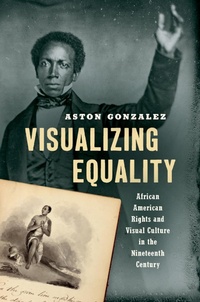
The fight for racial equality in the nineteenth century played out not only in marches and political conventions but also in the print and visual culture created and disseminated throughout the United States by African Americans. Advances in visual technologies — daguerreotypes, lithographs, cartes de visite, and steam printing presses — enabled people to see and participate in social reform movements in new ways. African American activists seized these opportunities and produced images that advanced campaigns for black rights. In this book, Aston Gonzalez charts the changing roles of African American visual artists as they helped build the world they envisioned. Understudied artists such as Robert Douglass Jr., Patrick Henry Reason, James Presley Ball, and Augustus Washington produced images to persuade viewers of the necessity for racial equality, black political leadership, and freedom from slavery. Moreover, these activist artists’ networks of transatlantic patronage and travels to Europe, the Caribbean, and Africa reveal their extensive involvement in the most pressing concerns for black people in the Atlantic world. Their work demonstrates how images became central to the ways that people developed ideas about race, citizenship, and politics during the nineteenth century.
More details
Other editions
Additional editions