


Transformative Coaching for Faculty and Staff in Higher Education
Powerful Tools to Address Institutional Challenges
1st Edition
Published on 30. September 2025
348 pages
978-1-040-44043-8 (ISBN)
Description

This wide-ranging collection explores how to integrate coaching into higher education in ways that tackle some of the most pressing challenges facing institutions today. By embracing coaching as a powerful tool for growth and change, faculty and staff can navigate complexities, foster innovation, and cultivate thriving academic communities.
Drawing on the expertise of seasoned academic coaches, the authors provide a rich, multifaceted exploration of coaching's potential to drive individual transformation and institutional success. With insights grounded in diverse roles and perspectives, the chapters showcase how coaching can empower faculty and staff at every career stage. From creating authentic connections and building resilience to promoting inclusivity and inspiring structural change, this lively book is packed with the practical tools, real-life examples, and thought-provoking reflection questions necessary to develop a core, functional understanding of coaching in higher education.
Drawing on the expertise of seasoned academic coaches, the authors provide a rich, multifaceted exploration of coaching's potential to drive individual transformation and institutional success. With insights grounded in diverse roles and perspectives, the chapters showcase how coaching can empower faculty and staff at every career stage. From creating authentic connections and building resilience to promoting inclusivity and inspiring structural change, this lively book is packed with the practical tools, real-life examples, and thought-provoking reflection questions necessary to develop a core, functional understanding of coaching in higher education.
Reviews / Votes
What if the most transformative tool in higher education isn't another initiative, but a better question? This compelling volume shows how coaching-rooted in deep listening, presence, and curiosity-can unlock meaningful change across our campuses. Whether you're an experienced or new coach in academic leadership, educational development, or career services, you'll find fresh insights for supporting growth, navigating conflict, and cultivating more humane, effective institutions. More than a manual, this rich collection offers invitations to rethink how we lead, how we support others, and how we show up-in our institutions and in ourselves.Michael Palmer, Professor & Barbara Fried Director, Center for Teaching Excellence, University of Virginia, USA
This book felt like a conversation I've been waiting to have. It brings together many thoughtful voices, people who know higher education from the inside, and offers practical insights into how coaching can support real, systemic change.
I appreciated the recognition of how coaching already lives in our day-to-day work across higher education, and found the chapter on educational development especially resonant given my own experience working with faculty.
Throughout the volume, the writing is clear and grounded, with welcome attention to ethical practice, equity, and sustainability.
Whether you are just starting out or well into the work, you will find something valuable here.
Isabeau Iqbal, Senior Educational Developer, Centre for Teaching, Learning and Technology, University of British Columbia, Canada; Professional Certified Coach with the International Coaching Federation
What a joy to see the publication of this book and the timing couldn't be better! This edited volume will find welcome readers among faculty, staff, and leaders at colleges and universities. The authors demystify coaching and share the myriad ways in which the practice has the potential to not only transform the lives of individual faculty and staff members but also transform academia and humanize the work that we do. Never has there been a more crucial period in higher education for making the case for coaching.
Mary L. Churchill, Associate Dean and Professor of the Practice, Boston University, USA
Transformative Coaching provides a comprehensive set of tools helpful to higher ed professionals across a range of faculty and staff roles and responsibilities. Chapter authors provide a complex and nuanced understanding of challenges and opportunities for coaching in the contexts of higher ed. The book offers guidance for those new to coaching as well as those looking to deepen their approaches to coaching faculty, staff, or student colleagues. Whether readers focus on key chapters or read cover to cover (highly recommended), they will find thoughtful explorations of the skills, frameworks, and mindsets that make powerful coaching experiences possible.
Deandra Little, Associate Provost of Faculty Affairs and Professor of English, Elon University, USA
More details
Edition
1. Auflage
Language
English
Place of publication
London
United Kingdom
Publishing group
Taylor & Francis Ltd
Target group
College/higher education
Professional and scholarly
Illustrations
9 Tables, black and white; 2 Line drawings, black and white; 7 Halftones, black and white; 9 Illustrations, black and white
File size
2,35 MB
ISBN-13
978-1-040-44043-8 (9781040440438)
Copyright in bibliographic data and cover images is held by Nielsen Book Services Limited or by the publishers or by their respective licensors: all rights reserved.
Schweitzer Classification
Other editions
Additional editions
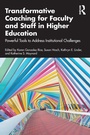
Karen Gonzalez Rice | Susan Hrach | Kathryn E. Linder
Transformative Coaching for Faculty and Staff in Higher Education
Powerful Tools to Address Institutional Challenges
Book
09/2025
1st Edition
Routledge
€54.20
Shipment within 15-20 days
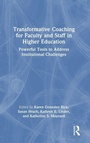
Karen Gonzalez Rice | Susan Hrach | Kathryn E. Linder
Transformative Coaching for Faculty and Staff in Higher Education
Powerful Tools to Address Institutional Challenges
Book
09/2025
1st Edition
Routledge
€208.40
Shipment within 15-20 days
Persons
Karen Gonzalez Rice is Professor of Art History at Connecticut College, USA.
Susan Hrach is Director of the Faculty Center for the Enhancement of Teaching and Learning and Professor of English at Columbus State University, USA.
Kathryn E. Linder is Associate Vice Chancellor for Academic Innovation and Strategy at the University of Colorado Denver, USA.
Katherine S. Maynard is Director of the Teaching and Scholarship Hub at the University of Richmond, USA.
Susan Hrach is Director of the Faculty Center for the Enhancement of Teaching and Learning and Professor of English at Columbus State University, USA.
Kathryn E. Linder is Associate Vice Chancellor for Academic Innovation and Strategy at the University of Colorado Denver, USA.
Katherine S. Maynard is Director of the Teaching and Scholarship Hub at the University of Richmond, USA.
Content
Section 1: Foundations of Coaching 1. Coaching Fundamentals 2. A Guide to Training Programs and Pathways for Higher Education Coaches 3. The ABC and D of Identifying and Addressing Ethical Issues in Higher Education Coaching Section 2: Growing Coaching Skills 4. Getting Started: Putting Coaching into Practice as Educational Developers 5. Cultural Alignment in the Coaching Space 6. Faculty Coaching to Build Authentic Relationships 7. Coaching Neurodivergent Clients on Campus 8. Embodied Strategies to Develop Presence as a Coach 9. Integrating Your Skills and Expertise into Established Coaching Practices Ethically Section 3: Applying Coaching Skills to Specific Scenarios 10. Co-creating Learning Spaces for the Future: A Coach Approach Framework 11. A Partnership and Coaching Model for Teaching Observations 12. Coaching for Productivity and Project Management 13. Chairing Faculty through Organizational Change: A Coaching Informed View 14. Reimagining Academic Writing through the Lens of Sustainable Productivity Coaching Section 4: Coaching for Specific Audiences 15. Thriving in the Middle: How Coaching Can Empower Higher Ed Administrators 16. Coaching Faculty Through Professional Burnout in Higher Education 17. The Complexities of Coaching in Student Affairs: A Unique Opportunity 18. Coaching Instructional Designers and IT Professionals in Higher Education 19. Developing an Awareness of the Structural Barriers at Play for Women of Color Faculty: One Coach's Perspective Section 5: Coaching the Career Lifecycle 20. Facilitating Faculty Acculturation: A Coaching Approach 21. Fostering a Coaching Mindset and Culture with Academic Department Chairs 22. Coaching through a Career Curveball 23. Walking the Tightrope: Coaching Faculty Clients Who Decide to Leave the University 24. A Call for Enoughness at Mid-Career 25. Legacy Coaching for Late-Career Faculty Section 6: Group, Team, and Peer Coaching Models 26. Unlocking Potential: Group Coaching as a Strategic Tool to Enhance Organizational Effectiveness 27. Bringing a Coaching Mindset to Educational Development 28. Cultivating a Coaching Culture: Improving Faculty Readiness for Boundary Spanning Collaboration via Team Coaching 29. Developing Signature Coaching Capacities to Invigorate Organizational Growth
