

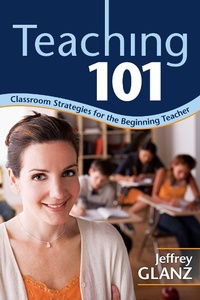
Teaching 101
Classroom Strategies for the Beginning Teacher
Published on 18. August 2015
328 pages
978-1-63220-987-0 (ISBN)
Description

The noble profession of teaching plays a vital role in inspiring students to achieve excellence. This new edition of one of the most comprehensive introductions to teaching available provides essential knowledge and actively engages new teachers in practice to become an exceptional teacher.
Easy to understand and practical, this wide-ranging guide provides tools such as questions and activities at the end of each chapter, Web sites and vital readings for further study, and a self-assessment instrument to help readers succeed in their first year. The second edition includes more information on curriculum development and technology, more sample lesson plans, a new section on bullying, new activity sheets, and many checklists with immediate application procedures. The book is packed with helpful suggestions on topics such as:
Lesson planning
Classroom management
Differentiating instruction
Standards
Assessment and grading
Literacy
Cooperative learning
Inclusion
National Board certification
Teaching 101 is an invaluable resource that teachers can reference throughout their careers to expand their skills and perspectives.
Easy to understand and practical, this wide-ranging guide provides tools such as questions and activities at the end of each chapter, Web sites and vital readings for further study, and a self-assessment instrument to help readers succeed in their first year. The second edition includes more information on curriculum development and technology, more sample lesson plans, a new section on bullying, new activity sheets, and many checklists with immediate application procedures. The book is packed with helpful suggestions on topics such as:
Lesson planning
Classroom management
Differentiating instruction
Standards
Assessment and grading
Literacy
Cooperative learning
Inclusion
National Board certification
Teaching 101 is an invaluable resource that teachers can reference throughout their careers to expand their skills and perspectives.
More details
Other editions
Additional editions

Book
09/2015
Skyhorse Publishing
€16.50
Shipment within 3-4 weeks
Content
- Intro
- Dedication
- Title Page
- Copyright
- Contents
- Preface
- Acknowledgments
- About the Author
- Activity 1
- 1. Why Does Teaching Matter?
- Focus Questions
- Analyzing Your Responses
- Follow-Up Questions/Activities
- Activity 2
- 2. What Makes a Good Teacher?
- Focus Questions
- Teaching Idea #1: Are You a Good Teacher?
- Teaching Idea #2: Seven Research-Based Findings About the Qualities of an Effective Teacher
- Teaching Idea #3: What Makes an Effective Teacher?
- Teaching Idea #4: Three Approaches to Teaching
- Teaching Idea #5: Four of the Most Essential Concepts That Affect Student Achievement
- Teaching Idea #6: An Important Quality of a Good Teacher
- Teaching Idea #7: Another Important Quality of a Good Teacher
- Teaching Idea #8: A Final Quality of a Good Teacher
- Teaching Idea #9: A Good Teacher Must Use Wait Time Effectively
- Teaching Idea #10: Questioning Strategies
- Teaching Idea #11: Good Teachers Incorporate Literacy Strategies Whenever Feasible: Five Literacy Strategies That Work
- Teaching Idea #12: Good Teachers Encourage Hands-On and Minds-On Learning
- Teaching Idea #13: Good Teachers Employ K-W-L
- Teaching Idea #14: Good Teachers Get Parents on Their Side: Ten Ways
- Conclusion
- Follow-Up Questions/Activities
- Activity 3
- 3. Who Are the Students in My Class?
- Focus Questions
- Student Idea #1: What Do I Need to Know About My Students?
- Student Idea #2: All Students Have Five Basic Needs
- Student Idea #3: Children Need Attention and Much More . . .
- Student Idea #4: Role of Race, Gender, Sexual Orientation, and Social Class
- Student Idea #5: Hatred, Bigotry, and Prejudice
- Student Idea #6: Bullying
- Student Idea #7: Students with Learning Disabilities and Needs
- Student Idea #8: Are You a Culturally Relevant Teacher?
- Student Idea #9: Different Ways of Learning
- Student Idea #10: Differentiating Instruction: But How Can I Meet the Needs of All My Students?
- Student Idea #11: The Challenge of Inclusion
- Conclusion
- Follow-Up Questions/Activities
- Activity 4
- 4. How Should I Write Lesson Plans?
- Focus Questions
- Lesson Plan Idea #1: Understanding the Lesson Plan
- Lesson Plan Idea #2: Essential Components and Criteria of a Successful Lesson
- Lesson Plan Idea #3: Sample Lesson Plans
- Conclusion
- Follow-Up Questions/Activities
- Activity 5
- 5. Can I Effectively Manage My Classroom?
- Focus Questions
- Classroom Management Idea #1: Basic Terms and Elements
- Classroom Management Idea #2: Developing Your Personal System of Discipline
- Conclusion
- Classroom Management Idea #3: A Sample Discipline Plan
- Follow-Up Questions/Activities
- Activity 6
- 6. How Can I Help My Students Learn?
- Focus Questions
- Helping My Students Idea #1: Simple Strategies for the Early Grades
- Helping My Students Idea #2: Simple Strategies on How to Improve Learning
- Helping My Students Idea #3: Simple Strategies on How to Improve Study Skills
- Helping My Students Idea #4: Simple Strategies on How to Read Material from a Chapter or Book
- Helping My Students Idea #5: Cooperative Learning
- Conclusion
- Follow-Up Questions/Activities
- Activity 7
- 7. How Should I Assess and Grade My Students?
- Focus Questions
- Assessment Idea #1: Assessment Basics
- Assessment Idea #2: Some Fundamental Principles of Assessment
- Assessment Idea #3: Constructing Classroom Tests
- Assessment Idea #4: Using Portfolio Assessment
- Conclusion
- Follow-Up Questions/Activities
- Activity 8
- 8. How Can I Best Incorporate State and District Curriculum Standards?
- Focus Questions
- Standards Idea #1: What Is Curriculum Development?
- Standards Idea #2: Suggestions for Implementing Standards
- Conclusion
- Follow-Up Questions/Activities
- Activity 9
- 9. How Can I Begin to Incorporate Technology Into My Teaching?
- Focus Questions
- Technology Idea #1: A Few Simple Ways to Integrate Technology for Beginners and More
- Technology Idea #2: Criteria for Evaluating Web Sites
- Technology Idea #3: Criteria for Evaluating Software Programs
- Technology Idea #4: Practical Integrated Projects With Microsoft Office
- Technology Idea #5: Use of PowerPoint in the Classroom
- Technology Idea #6: New Technologies
- Conclusion
- Follow-Up Questions/Activities
- Closing Comments
- Appendix A: Annotated Bibliography
- Appendix B: Some of the Best Web Sites for Teachers
- Appendix C: Self-Assessment Instrument
- Appendix D: Teacher's Suggestions Exchange Forum
- References
- Index
