


Mindfulness and Psychotherapy
2nd Edition
Published on 8. July 2013
382 pages
978-1-4625-1167-9 (ISBN)
Description

This practical book has given tens of thousands of clinicians and students a comprehensive introduction to mindfulness and its clinical applications. The book describes the philosophical underpinnings of mindfulness and reviews the growing body of treatment studies and neuroscientific research. Leading practitioners and researchers present clear-cut procedures for implementing mindfulness techniques and teaching them to patients experiencing depression, anxiety, chronic pain, and other problems. Also addressed are ways that mindfulness practices can increase acceptance and empathy in the therapeutic relationship. User-friendly features include illustrative case examples and practice exercises.
New to This Edition
*Incorporates significant empirical advances--mindfulness has become one of the most-researched areas in psychotherapy.
*Most chapters extensively revised or rewritten.
*Chapters on practical ethics, trauma, and addictions.
*Greater emphasis on the role of acceptance and compassion in mindfulness.
See also Sitting Together: Essential Skills for Mindfulness-Based Psychotherapy, by Susan M. Pollak, Thomas Pedulla, and Ronald D. Siegel, a hands-on guide to incorporating mindfulness practices into psychotherapy.
New to This Edition
*Incorporates significant empirical advances--mindfulness has become one of the most-researched areas in psychotherapy.
*Most chapters extensively revised or rewritten.
*Chapters on practical ethics, trauma, and addictions.
*Greater emphasis on the role of acceptance and compassion in mindfulness.
See also Sitting Together: Essential Skills for Mindfulness-Based Psychotherapy, by Susan M. Pollak, Thomas Pedulla, and Ronald D. Siegel, a hands-on guide to incorporating mindfulness practices into psychotherapy.
More details
Other editions
Additional editions
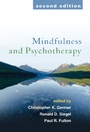
Christopher Germer | Ronald D. Siegel | Paul R. Fulton
Mindfulness and Psychotherapy, Second Edition
Book
09/2016
2nd Edition
Guilford Press
€47.50
Shipment within 15-20 days
Persons
Christopher Germer, PhD, is a clinical psychologist and Lecturer on Psychiatry (part-time) at Harvard Medical School. His books with Kristin Neff include The Mindful Self-Compassion Workbook and Mindful Self-Compassion for Burnout (for the general public) and Teaching the Mindful Self-Compassion Program (for professionals). Dr. Germer is also author of The Mindful Path to Self-Compassion and coeditor of Mindfulness and Psychotherapy and Wisdom and Compassion in Psychotherapy. He lectures and leads workshops internationally and has a small psychotherapy practice in Massachusetts. His website is https://chrisgermer.com.
Ronald D. Siegel, PsyD, is Assistant Professor of Psychology, part time, at Harvard Medical School/Cambridge Health Alliance, where he has taught since the early 1980s. He is a longtime student of mindfulness meditation and is a faculty and board member at the Institute for Meditation and Psychotherapy. Dr. Siegel teaches internationally about the application of mindfulness practices in psychotherapy and other fields, and maintains a private practice in Lincoln, Massachusetts. His books include The Mindfulness Solution, for general readers, as well as several acclaimed works for professionals.
Paul R. Fulton, EdD, is a clinical psychologist in private practice and Clinical Instructor in Psychology at Harvard Medical School/Cambridge Health Alliance. He was formerly the president of IMP and is currently director of the Certificate Program in Mindfulness and Psychotherapy. Dr. Fulton received lay ordination as a Zen Buddhist in 1972, has been a student of psychology and meditation for over 44 years, is on the board of directors of the Barre Center for Buddhist Studies, and teaches internationally.
Ronald D. Siegel, PsyD, is Assistant Professor of Psychology, part time, at Harvard Medical School/Cambridge Health Alliance, where he has taught since the early 1980s. He is a longtime student of mindfulness meditation and is a faculty and board member at the Institute for Meditation and Psychotherapy. Dr. Siegel teaches internationally about the application of mindfulness practices in psychotherapy and other fields, and maintains a private practice in Lincoln, Massachusetts. His books include The Mindfulness Solution, for general readers, as well as several acclaimed works for professionals.
Paul R. Fulton, EdD, is a clinical psychologist in private practice and Clinical Instructor in Psychology at Harvard Medical School/Cambridge Health Alliance. He was formerly the president of IMP and is currently director of the Certificate Program in Mindfulness and Psychotherapy. Dr. Fulton received lay ordination as a Zen Buddhist in 1972, has been a student of psychology and meditation for over 44 years, is on the board of directors of the Barre Center for Buddhist Studies, and teaches internationally.
Content
I. The Meaning of Mindfulness
1. Mindfulness: What Is It? What Does It Matter?, Christopher K. Germer
2. Buddhist and Western Psychology: Seeking Common Ground, Paul R. Fulton and Ronald D. Siegel
II. The Therapy Relationship
3. Mindfulness as Clinical Training, Paul R. Fulton
4. Cultivating Attention and Compassion, William D. Morgan, Susan T. Morgan, and Christopher K. Germer
5. Relational Mindfulness, Janet L. Surrey and Gregory Kramer
6. Practical Ethics, Stephanie P. Morgan
III. Clinical Applications
7. Teaching Mindfulness in Therapy, Susan M. Pollak
8. Depression: Finding a Way In, Finding a Way Out, Thomas Pedulla
9. Anxiety: Accepting What Comes and Doing What Matters, Lizabeth Roemer and Susan M. Orsillo
10. Psychophysiological Disorders: Embracing Pain, Ronald D. Siegel
11. Mindfulness, Insight, and Trauma Therapy, John Briere
12. Breaking the Addiction Loop, Judson A. Brewer
13. Working with Children, Trudy A. Goodman
IV. Past, Present, and Promise
14. Roots of Mindfulness, Andrew R. Olendzki
15. The Neurobiology of Mindfulness, Sara W. Lazar
16. Positive Psychology and the Bodhisattva Path, Charles W. Styron
V. Appendix
Appendix: Glossary of Terms in Buddhist Psychology, Andrew R. Olendzki
1. Mindfulness: What Is It? What Does It Matter?, Christopher K. Germer
2. Buddhist and Western Psychology: Seeking Common Ground, Paul R. Fulton and Ronald D. Siegel
II. The Therapy Relationship
3. Mindfulness as Clinical Training, Paul R. Fulton
4. Cultivating Attention and Compassion, William D. Morgan, Susan T. Morgan, and Christopher K. Germer
5. Relational Mindfulness, Janet L. Surrey and Gregory Kramer
6. Practical Ethics, Stephanie P. Morgan
III. Clinical Applications
7. Teaching Mindfulness in Therapy, Susan M. Pollak
8. Depression: Finding a Way In, Finding a Way Out, Thomas Pedulla
9. Anxiety: Accepting What Comes and Doing What Matters, Lizabeth Roemer and Susan M. Orsillo
10. Psychophysiological Disorders: Embracing Pain, Ronald D. Siegel
11. Mindfulness, Insight, and Trauma Therapy, John Briere
12. Breaking the Addiction Loop, Judson A. Brewer
13. Working with Children, Trudy A. Goodman
IV. Past, Present, and Promise
14. Roots of Mindfulness, Andrew R. Olendzki
15. The Neurobiology of Mindfulness, Sara W. Lazar
16. Positive Psychology and the Bodhisattva Path, Charles W. Styron
V. Appendix
Appendix: Glossary of Terms in Buddhist Psychology, Andrew R. Olendzki
