

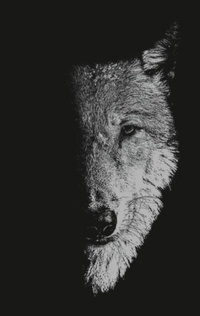
In the Company of Wolves
Werewolves, Wolves and Wild Children
1st Edition
Published on 5. February 2020
312 pages
978-1-5261-2905-5 (ISBN)
Description

In the company of wolves presents further research from the Open Graves, Open Minds Project. It connects together innovative research from a variety of perspectives on the cultural significance of wolves, wild children and werewolves as portrayed in different media and genres.
We begin with the wolf itself as it has been interpreted as a cultural symbol and how it figures in contemporary debates about wilderness and nature. Alongside this, we consider eighteenth-century debates about wild children -- often thought to have been raised by wolves and other animals - and their role in key questions about the origins of language and society. The collection continues with essays on werewolves and other shapeshifters as depicted in folk tales, literature, film and TV, concluding with the transition from animal to human in contemporary art, poetry and fashion. -- .
We begin with the wolf itself as it has been interpreted as a cultural symbol and how it figures in contemporary debates about wilderness and nature. Alongside this, we consider eighteenth-century debates about wild children -- often thought to have been raised by wolves and other animals - and their role in key questions about the origins of language and society. The collection continues with essays on werewolves and other shapeshifters as depicted in folk tales, literature, film and TV, concluding with the transition from animal to human in contemporary art, poetry and fashion. -- .
All prices
More details
Series
Language
English
Place of publication
United Kingdom
Target group
College/higher education
Professional and scholarly
ISBN-13
978-1-5261-2905-5 (9781526129055)
Copyright in bibliographic data and cover images is held by Nielsen Book Services Limited or by the publishers or by their respective licensors: all rights reserved.
Schweitzer Classification
Other editions
Additional editions
Book
07/2023
Manchester University Press
€32.90
Shipment within 15-20 days
Book
01/2020
Manchester University Press
€125.70
Shipment within 15-20 days
Persons
Bill Hughes was recently awarded his doctorate from the University of Sheffield
Dr Samantha George is Senior Lecturer in Literature at the University of Hertfordshire
Sam George is Senior Lecturer in Literature at the University of Hertfordshire
Dr Samantha George is Senior Lecturer in Literature at the University of Hertfordshire
Sam George is Senior Lecturer in Literature at the University of Hertfordshire
Content
Preface - Sam George
Introduction: from preternatural pastoral to paranormal romance - Sam George and Bill Hughes
Part I : C ultural images of the wolf, the werewolf and the wolf-child
1 Wolves and lies: a writer's perspective -Marcus Sedgwick
2 'Man is a wolf to man': wolf behaviour becoming wolfish nature - Garry Marvin
3 When wolves cry: wolf-children, storytelling and the state of nature - Sam George
4 'Children of the night. What music they make!': the sound of the cinematic werewolf - Stacey Abbott
Part II: Innocence and experience: brute creation, wild beast or child of nature
5 Wild sanctuary: running into the forest in Russian fairy tales - Shannon Scott
6 'No more than a brute or a wild beast': Wagner the Werewolf, Sweeney Todd, and the limits of human responsibility - Joseph Crawford
7 The inner beast: scientific experimentation in George MacDonald's 'The History of Photogen and Nycteris' - Rebecca Langworthy
8 Werewolves and white trash: brutishness, discrimination and the lower-class wolfman from The Wolf Man to True Blood - Victoria Amador
Part III: Re-inventing the wolf: intertextual and metafictional manifestations
9 'The price of flesh is love': commodification, corporeality, and paranormal romance in Angela Carter's beast tales - Bill Hughes
10 Growing pains of the teenage werewolf: Young Adult literature and the metaphorical wolf - Kaja Franck
11 'I am the Bad Wolf. I create myself': the metafictional meanings of lycanthropic transformation in Doctor Who - Ivan Phillips
Part IV: Animal selves: becoming wolf
12 A running wolf and other grey animals: the various shapes of Marcus Coates -Sarah Wade
13 'Stinking of me': transformations and animal selves in contemporary women's poetry - Polly Atkin
14 Wearing the wolf: fur, fashion and species transvestism - Catherine Spooner
Bibliography
Index -- .
Introduction: from preternatural pastoral to paranormal romance - Sam George and Bill Hughes
Part I : C ultural images of the wolf, the werewolf and the wolf-child
1 Wolves and lies: a writer's perspective -Marcus Sedgwick
2 'Man is a wolf to man': wolf behaviour becoming wolfish nature - Garry Marvin
3 When wolves cry: wolf-children, storytelling and the state of nature - Sam George
4 'Children of the night. What music they make!': the sound of the cinematic werewolf - Stacey Abbott
Part II: Innocence and experience: brute creation, wild beast or child of nature
5 Wild sanctuary: running into the forest in Russian fairy tales - Shannon Scott
6 'No more than a brute or a wild beast': Wagner the Werewolf, Sweeney Todd, and the limits of human responsibility - Joseph Crawford
7 The inner beast: scientific experimentation in George MacDonald's 'The History of Photogen and Nycteris' - Rebecca Langworthy
8 Werewolves and white trash: brutishness, discrimination and the lower-class wolfman from The Wolf Man to True Blood - Victoria Amador
Part III: Re-inventing the wolf: intertextual and metafictional manifestations
9 'The price of flesh is love': commodification, corporeality, and paranormal romance in Angela Carter's beast tales - Bill Hughes
10 Growing pains of the teenage werewolf: Young Adult literature and the metaphorical wolf - Kaja Franck
11 'I am the Bad Wolf. I create myself': the metafictional meanings of lycanthropic transformation in Doctor Who - Ivan Phillips
Part IV: Animal selves: becoming wolf
12 A running wolf and other grey animals: the various shapes of Marcus Coates -Sarah Wade
13 'Stinking of me': transformations and animal selves in contemporary women's poetry - Polly Atkin
14 Wearing the wolf: fur, fashion and species transvestism - Catherine Spooner
Bibliography
Index -- .

