

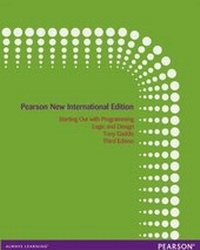
Starting Out with Programming Logic and Design
Pearson New International Edition
3rd Edition
Published on 3. October 2013
442 pages
978-1-292-05308-0 (ISBN)
Description

Starting Out with Programming Logic and Design, Third Edition, is a language-independent introductory programming book that orients students to programming concepts and logic without assuming any previous programming experience. In the successful, accessible style of Tony Gaddis' best-selling texts, useful examples and detail-oriented explanations allow students to become comfortable with fundamental concepts and logical thought processes used in programming without the complication of language syntax. Students gain confidence in their program design skills to transition into more comprehensive programming courses.
The book is ideal for a programming logic course taught as a precursor to a language-specific introductory programming course, or for the first part of an introductory programming course.
The book is ideal for a programming logic course taught as a precursor to a language-specific introductory programming course, or for the first part of an introductory programming course.
All prices
More details
Edition
3rd edition
Language
English
Place of publication
Harlow
United Kingdom
Target group
College/higher education
ISBN-13
978-1-292-05308-0 (9781292053080)
Copyright in bibliographic data and cover images is held by Nielsen Book Services Limited or by the publishers or by their respective licensors: all rights reserved.
Schweitzer Classification
Other editions
Additional editions
Book
11/2013
3rd Edition
Pearson Education Limited
€94.49
Shipment within 10-20 days
Content
Preface xiii
Chapter 1 Introduction to Computers and Programming 1
1.1 Introduction . . . . . . . . . . . . . . . . . . . . . . . . . . . . . . . . . . . . . . . . . . . . . . 1
1.2 Hardware . . . . . . . . . . . . . . . . . . . . . . . . . . . . . . . . . . . . . . . . . . . . . . . . 2
1.3 How Computers Store Data . . . . . . . . . . . . . . . . . . . . . . . . . . . . . . . . . . . 7
1.4 How a Program Works . . . . . . . . . . . . . . . . . . . . . . . . . . . . . . . . . . . . . . 12
1.5 Types of Software . . . . . . . . . . . . . . . . . . . . . . . . . . . . . . . . . . . . . . . . . 20
Review Questions . . . . . . . . . . . . . . . . . . . . . . . . . . . . . . . . . . . . . . . . . . . . . . . 23
Chapter 2 Input, Processing, and Output 29
2.1 Designing a Program . . . . . . . . . . . . . . . . . . . . . . . . . . . . . . . . . . . . . . . 29
2.2 Output, Input, and Variables . . . . . . . . . . . . . . . . . . . . . . . . . . . . . . . . . 34
2.3 Variable Assignment and Calculations . . . . . . . . . . . . . . . . . . . . . . . . . . 43
IN THE SPOTLIGHT: Calculating a Percentage . . . . . . . . . . . . . . . . . . . . . . . . . . . 47
IN THE SPOTLIGHT: Calculating an Average . . . . . . . . . . . . . . . . . . . . . . . . . . . . . 50
IN THE SPOTLIGHT: Converting a Math Formula to a
Programming Statement . . . . . . . . . . . . . . . . . . . . . . . . . . . . . . . . . . . . . . 53
2.4 Variable Declarations and Data Types . . . . . . . . . . . . . . . . . . . . . . . . . . . 56
2.5 Named Constants . . . . . . . . . . . . . . . . . . . . . . . . . . . . . . . . . . . . . . . . . . 62
2.6 Hand Tracing a Program . . . . . . . . . . . . . . . . . . . . . . . . . . . . . . . . . . . . . 63
2.7 Documenting a Program . . . . . . . . . . . . . . . . . . . . . . . . . . . . . . . . . . . . . 64
IN THE SPOTLIGHT: Using Named Constants, Style Conventions,
and Comments . . . . . . . . . . . . . . . . . . . . . . . . . . . . . . . . . . . . . . . . . . . . . 66
Review Questions . . . . . . . . . . . . . . . . . . . . . . . . . . . . . . . . . . . . . . . . . . . . . . . 68
Programming Exercises . . . . . . . . . . . . . . . . . . . . . . . . . . . . . . . . . . . . . . . . . . . 72
Chapter 3 Modules 75
3.1 Introduction to Modules . . . . . . . . . . . . . . . . . . . . . . . . . . . . . . . . . . . . . 75
3.2 Defining and Calling a Module . . . . . . . . . . . . . . . . . . . . . . . . . . . . . . . . 78
IN THE SPOTLIGHT: Defining and Calling Modules . . . . . . . . . . . . . . . . . . . . . . . 84
3.3 Local Variables . . . . . . . . . . . . . . . . . . . . . . . . . . . . . . . . . . . . . . . . . . . . . 88
3.4 Passing Arguments to Modules . . . . . . . . . . . . . . . . . . . . . . . . . . . . . . . . 90
IN THE SPOTLIGHT: Passing an Argument to a Module . . . . . . . . . . . . . . . . . . . . 95
IN THE SPOTLIGHT: Passing an Argument by Reference . . . . . . . . . . . . . . . . . . . 100
3.5 Global Variables and Global Constants . . . . . . . . . . . . . . . . . . . . . . . . . 104
IN THE SPOTLIGHT: Using Global Constants . . . . . . . . . . . . . . . . . . . . . . . . . . . 105
Review Questions . . . . . . . . . . . . . . . . . . . . . . . . . . . . . . . . . . . . . . . . . . . . . . 109
Programming Exercises . . . . . . . . . . . . . . . . . . . . . . . . . . . . . . . . . . . . . . . . . . 113
Chapter 4 Decision Structures and Boolean Logic 115
4.1 Introduction to Decision Structures . . . . . . . . . . . . . . . . . . . . . . . . . . . . 115
IN THE SPOTLIGHT: Using the If-Then Statement . . . . . . . . . . . . . . . . . . . . . . . 122
4.2 Dual Alternative Decision Structures . . . . . . . . . . . . . . . . . . . . . . . . . . . 125
IN THE SPOTLIGHT: Using the If-Then-Else Statement . . . . . . . . . . . . . . . . . . 126
4.3 Comparing S
Chapter 1 Introduction to Computers and Programming 1
1.1 Introduction . . . . . . . . . . . . . . . . . . . . . . . . . . . . . . . . . . . . . . . . . . . . . . 1
1.2 Hardware . . . . . . . . . . . . . . . . . . . . . . . . . . . . . . . . . . . . . . . . . . . . . . . . 2
1.3 How Computers Store Data . . . . . . . . . . . . . . . . . . . . . . . . . . . . . . . . . . . 7
1.4 How a Program Works . . . . . . . . . . . . . . . . . . . . . . . . . . . . . . . . . . . . . . 12
1.5 Types of Software . . . . . . . . . . . . . . . . . . . . . . . . . . . . . . . . . . . . . . . . . 20
Review Questions . . . . . . . . . . . . . . . . . . . . . . . . . . . . . . . . . . . . . . . . . . . . . . . 23
Chapter 2 Input, Processing, and Output 29
2.1 Designing a Program . . . . . . . . . . . . . . . . . . . . . . . . . . . . . . . . . . . . . . . 29
2.2 Output, Input, and Variables . . . . . . . . . . . . . . . . . . . . . . . . . . . . . . . . . 34
2.3 Variable Assignment and Calculations . . . . . . . . . . . . . . . . . . . . . . . . . . 43
IN THE SPOTLIGHT: Calculating a Percentage . . . . . . . . . . . . . . . . . . . . . . . . . . . 47
IN THE SPOTLIGHT: Calculating an Average . . . . . . . . . . . . . . . . . . . . . . . . . . . . . 50
IN THE SPOTLIGHT: Converting a Math Formula to a
Programming Statement . . . . . . . . . . . . . . . . . . . . . . . . . . . . . . . . . . . . . . 53
2.4 Variable Declarations and Data Types . . . . . . . . . . . . . . . . . . . . . . . . . . . 56
2.5 Named Constants . . . . . . . . . . . . . . . . . . . . . . . . . . . . . . . . . . . . . . . . . . 62
2.6 Hand Tracing a Program . . . . . . . . . . . . . . . . . . . . . . . . . . . . . . . . . . . . . 63
2.7 Documenting a Program . . . . . . . . . . . . . . . . . . . . . . . . . . . . . . . . . . . . . 64
IN THE SPOTLIGHT: Using Named Constants, Style Conventions,
and Comments . . . . . . . . . . . . . . . . . . . . . . . . . . . . . . . . . . . . . . . . . . . . . 66
Review Questions . . . . . . . . . . . . . . . . . . . . . . . . . . . . . . . . . . . . . . . . . . . . . . . 68
Programming Exercises . . . . . . . . . . . . . . . . . . . . . . . . . . . . . . . . . . . . . . . . . . . 72
Chapter 3 Modules 75
3.1 Introduction to Modules . . . . . . . . . . . . . . . . . . . . . . . . . . . . . . . . . . . . . 75
3.2 Defining and Calling a Module . . . . . . . . . . . . . . . . . . . . . . . . . . . . . . . . 78
IN THE SPOTLIGHT: Defining and Calling Modules . . . . . . . . . . . . . . . . . . . . . . . 84
3.3 Local Variables . . . . . . . . . . . . . . . . . . . . . . . . . . . . . . . . . . . . . . . . . . . . . 88
3.4 Passing Arguments to Modules . . . . . . . . . . . . . . . . . . . . . . . . . . . . . . . . 90
IN THE SPOTLIGHT: Passing an Argument to a Module . . . . . . . . . . . . . . . . . . . . 95
IN THE SPOTLIGHT: Passing an Argument by Reference . . . . . . . . . . . . . . . . . . . 100
3.5 Global Variables and Global Constants . . . . . . . . . . . . . . . . . . . . . . . . . 104
IN THE SPOTLIGHT: Using Global Constants . . . . . . . . . . . . . . . . . . . . . . . . . . . 105
Review Questions . . . . . . . . . . . . . . . . . . . . . . . . . . . . . . . . . . . . . . . . . . . . . . 109
Programming Exercises . . . . . . . . . . . . . . . . . . . . . . . . . . . . . . . . . . . . . . . . . . 113
Chapter 4 Decision Structures and Boolean Logic 115
4.1 Introduction to Decision Structures . . . . . . . . . . . . . . . . . . . . . . . . . . . . 115
IN THE SPOTLIGHT: Using the If-Then Statement . . . . . . . . . . . . . . . . . . . . . . . 122
4.2 Dual Alternative Decision Structures . . . . . . . . . . . . . . . . . . . . . . . . . . . 125
IN THE SPOTLIGHT: Using the If-Then-Else Statement . . . . . . . . . . . . . . . . . . 126
4.3 Comparing S
