

Design und Improvisation
Produkte, Prozesse und Methoden
1st Edition
Published on 15. June 2017
258 pages
978-3-8394-3493-2 (ISBN)
Description

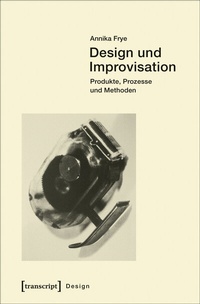
Designer_innen müssen improvisieren, wenn sie entwerfen. Die Entwicklung des Braun-Rasierapparates ebenso wie die Arbeiten des Designers Sebastian Herkner zeigen, dass Improvisation Modelle und Prototypen hervorbringt und Fertigungsprozesse überlistet.Doch Improvisation ist nicht nur eine Notwendigkeit - sie ist auch konzeptionell von Bedeutung. Als formgebendes Prinzip führt sie seit dem gestalterischen Postmodernismus zu eigenständigen Einzelstücken. In der Nachkriegszeit versuchte man jedoch, Design als einen Planungsprozess darzustellen. Annika Frye belegt: Für diesen rationalistischen Designbegriff, der bis heute die Diskurse über Design prägt, erweist sich ein am Prozess und seinen Improvisationen orientiertes Designkonzept als äußerst folgenreich.
Reviews / Votes
Besprochen in:designreport, 4 (2017)More details
Other editions
Additional editions
Book
02/2022
1st Edition
transcript
€29.99
Available immediately
Person
Author
Annika Frye, Muthesius Kunsthochschule Kiel, Deutschland
Annika Frye, geb. 1985, ist Designwissenschaftlerin und Designerin. Sie ist Professorin für Designwissenschaften und -forschung an der Muthesius Kunsthochschule Kiel. Ihre Interessen gelten den ästhetischen Qualitäten der Serienproduktion, dem Designprozess als Quelle von Innovation sowie der Digitalisierung des Entwerfens.
ISNI:
Content
- Cover
- Inhalt
- Einleitung
- Teil I: Serienprodukte und Improvisation
- 1. Die Improvisation des Designers Sebastian Herkner
- Dreidimensionales Skizzieren
- Rahmenbedingungen der Improvisation
- Prozesshaftigkeit von Gestaltung
- 2. Handwerk und Improvisation
- Handwerkliche Produktion vs. industrielle Produktion
- Abwertung von Handwerk im Designprozess
- 3. Improvisation im Entwicklungsprozess des Braun-Rasierapparates
- Die erste Testapparatur: Kombination von vorliegenden Formen
- Produktives Nichtkönnen
- Das Design der Ingenieure vs. das Design der Designer
- Konzeptionelles vs. reproduzierendes Handwerk
- Teil II: Die Gestaltung des Gestaltungsprozesses
- 4. Das Planungsparadigma im Design Methods Movement
- Die Notes on the Synthesis of Form: Ableitung der Form aus dem Kontext
- Der Designprozess als Schaltkreis mit Rückkopplungsschleifen - HfG Ulm
- Verwechslung von Produkt und Prozess in den Designbegriffen der 1950er und 1960er J ahre
- 5. Improvisation in der Braun-Werkstatt
- Die Tüftelei des Designers Roland Ullmann
- Improvisierte Modelle zwischen Repräsentation und Konzeption
- 6. Improvisation als Formfindungsmethode
- Die Unbestimmtheit des Entwerfens
- Der Gestaltungsprozess als Experimentalsystem
- Teil III: Improvisation als Formprinzip
- 7. Improvisation und Bastelei im >Neuen Deutschen Design<
- Improvisation als Produktionsverfahren: Die Früchteschale von Axel Stumpf
- Der Designer als Bricoleur und Künstler: Stilettos Consumer's Rest
- Recycling-Strategien: Das Reifensofa der Gruppe Des-In
- Improvisation als Provokation gegen den gestalterischen Funktionalismus
- 8. Serielle Singularität
- Dreidimensionale Skizzen aus Draht: Kiki van Eijk
- Kai Linkes Zufallsformen: Ich War's Nicht
- Prozessdarstellungen im Video: Écal Hot Tools
- 9. Offenes Design / Partizipation
- Der Selbstbau-3D-Drucker
- Improvisation im Gestaltungsprozess des RepRap-Druckers
- Teilhabe und Improvisation
- Schluss: Der Designer als Prozessgestalter
- Anhang
- Interview mit dem Designer Sebastian Herkner
- Interview mit dem Designer Roland Ullmann
- Literatur
- Abbildungen
- Danksagung
