

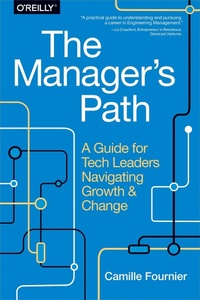
Manager's Path
A Guide for Tech Leaders Navigating Growth and Change
Published on 13. March 2017
244 pages
978-1-4919-7386-8 (ISBN)
Description

Managing people is difficult wherever you work. But in the tech industry, where management is also a technical discipline, the learning curve can be brutalespecially when there are few tools, texts, and frameworks to help you. In this practical guide, author Camille Fournier (tech lead turned CTO) takes you through each stage in the journey from engineer to technical manager.From mentoring interns to working with senior staff, youll get actionable advice for approaching various obstacles in your path. This book is ideal whether youre a new manager, a mentor, or a more experienced leader looking for fresh advice. Pick up this book and learn how to become a better manager and leader in your organization.Begin by exploring what you expect from a managerUnderstand what it takes to be a good mentor, and a good tech leadLearn how to manage individual members while remaining focused on the entire teamUnderstand how to manage yourself and avoid common pitfalls that challenge many leadersManage multiple teams and learn how to manage managersLearn how to build and bootstrap a unifying culture in teams
More details
Other editions
Additional editions
Book
05/2017
O'Reilly
€40.00
Available immediately
Content
- Intro
- Copyright
- Table of Contents
- Acknowledgments
- Introduction
- How to Read This Book
- O'Reilly Safari
- How to Contact Us
- Chapter 1. Management 101
- What to Expect from a Manager
- One-on-One Meetings
- Feedback and Workplace Guidance
- Training and Career Growth
- How to Be Managed
- Spend Time Thinking About What You Want
- You Are Responsible for Yourself
- Give Your Manager a Break
- Choose Your Managers Wisely
- Assessing Your Own Experience
- Chapter 2. Mentoring
- The Importance of Mentoring to Junior Team Members
- Being a Mentor
- Mentoring an Intern
- Mentoring a New Hire
- Technical or Career Mentoring
- Good Manager, Bad Manager: The Alpha Geek
- Tips for the Manager of a Mentor
- Key Takeaways for the Mentor
- Be Curious and Open-Minded
- Listen and Speak Their Language
- Make Connections
- Assessing Your Own Experience
- Chapter 3. Tech Lead
- All Great Tech Leads Know This One Weird Trick
- Being a Tech Lead 101
- The Main Roles of a Tech Lead
- Managing Projects
- Managing a Project
- Decision Point: Stay on the Technical Track or Become a Manager
- Imagined Life of a Senior Individual Contributor
- Real Life of a Senior Individual Contributor
- Imagined Life of a Manager
- Real Life of a Manager
- Good Manager, Bad Manager: The Process Czar
- How to Be a Great Tech Lead
- Understand the Architecture
- Be a Team Player
- Lead Technical Decisions
- Communicate
- Assessing Your Own Experience
- Chapter 4. Managing People
- Starting a New Reporting Relationship Off Right
- Build Trust and Rapport
- Create a 30/60/90-Day Plan
- Encourage Participation by Updating the New Hire Documentation
- Communicate Your Style and Expectations
- Get Feedback from Your New Hire
- Communicating with Your Team
- Have Regular 1-1s
- Scheduling 1-1s
- Adjusting 1-1s
- Different 1-1 Styles
- The To-Do List Meeting
- The Catch-up
- The Feedback Meeting
- The Progress Report
- Getting to Know You
- Mix It Up
- Good Manager, Bad Manager: Micromanager, Delegator
- Practical Advice for Delegating Effectively
- Use the Team's Goals to Understand Which Details You Should Dig Into
- Gather Information from the Systems Before Going to the People
- Adjust Your Focus Depending on the Stage of Projects
- Establish Standards for Code and Systems
- Treat the Open Sharing of Information, Good or Bad, in a Neutral to Positive Way
- Creating a Culture of Continuous Feedback
- Performance Reviews
- Writing and Delivering a Performance Review
- Cultivating Careers
- Challenging Situations: Firing Underperformers
- Assessing Your Own Experience
- Chapter 5. Managing a Team
- Staying Technical
- Debugging Dysfunctional Teams: The Basics
- Not Shipping
- People Drama
- Unhappiness Due to Overwork
- Collaboration Problems
- The Shield
- How to Drive Good Decisions
- Create a Data-Driven Team Culture
- Flex Your Own Product Muscles
- Look into the Future
- Review the Outcome of Your Decisions and Projects
- Run Retrospectives for the Processes and Day-to-Day
- Good Manager, Bad Manager: Conflict Avoider, Conflict Tamer
- The Dos and Don'ts of Managing Conflict
- Challenging Situations: Team Cohesion Destroyers
- The Brilliant Jerk
- The Noncommunicator
- The Employee Who Lacks Respect
- Advanced Project Management
- Project Management Rules of Thumb
- Assessing Your Own Experience
- Chapter 6. Managing Multiple Teams
- Managing Your Time: What's Important, Anyway?
- Decisions and Delegation
- Delegate Simple and Frequent Tasks
- Handle Simple and Infrequent Tasks Yourself
- Use Complex and Infrequent Tasks as Training Opportunities for Rising Leaders
- Delegate Complex and Frequent Tasks to Develop Your Team
- Challenging Situations: Strategies for Saying No
- "Yes, and"
- Create Policies
- "Help Me Say Yes"
- Appeal to Budget
- Work as a Team
- Don't Prevaricate
- Technical Elements Beyond Code
- Measuring the Health of Your Development Team
- Frequency of Releases
- Frequency of Code Check-ins
- Frequency of Incidents
- Good Manager, Bad Manager: Us Versus Them, Team Player
- The Virtues of Laziness and Impatience
- Assessing Your Own Experience
- Chapter 7. Managing Managers
- Skip-Level Meetings
- Manager Accountability
- Good Manager, Bad Manager: The People Pleaser
- Managing New Managers
- Managing Experienced Managers
- Hiring Managers
- Debugging Dysfunctional Organizations
- Have a Hypothesis
- Check the Data
- Observe the Team
- Ask Questions
- Check the Team Dynamics
- Jump In to Help
- Be Curious
- Setting Expectations and Delivering on Schedule
- Challenging Situations: Roadmap Uncertainty
- Strategies for Handling Roadmap Uncertainty
- Staying Technically Relevant
- Oversee Technical Investment
- Ask Informed Questions
- Analyze and Explain Engineering and Business Tradeoffs
- Make Specific Requests
- Use Your Experience as a Gut Check
- Assessing Your Own Experience
- Chapter 8. The Big Leagues
- Models for Thinking About Tech Senior Leadership
- What's a VP of Engineering?
- What's a CTO?
- Changing Priorities
- Setting the Strategy
- Do a Lot of Research
- Combine Your Research and Your Ideas
- Draft a Strategy
- Consider Your Board's Communication Style
- Challenging Situations: Delivering Bad News
- Senior Peers in Other Functions
- The Echo
- Ruling with Fear, Guiding with Trust
- Correcting a Culture of Fear
- True North
- Recommended Reading
- Assessing Your Own Experience
- Chapter 9. Bootstrapping Culture
- Assessing Your Role
- Creating Your Culture
- Applying Core Values
- Creating Cultural Policy
- Writing a Career Ladder
- Cross-Functional Teams
- Structuring Cross-Functional Teams
- Developing Engineering Processes
- Practical Advice: Depersonalize Decision Making
- Code Review
- The Outage Postmortem
- Architecture Review
- Assessing Your Own Experience
- Chapter 10. Conclusion
- Index
- About the Author
