


Space, Structures and Design in a Post-Pandemic World
1st Edition
Published on 27. April 2022
260 pages
978-1-000-57210-0 (ISBN)
Description

Pandemics have long-term effects on how we live and work, and the COVID-19 pandemic was no exception, accelerating us into a digital economy, in which people increasingly work, shop, and learn online, transforming how we use space in-person and remotely. Space, Structures, and Design in a Post-Pandemic World explores the rebalancing of our physical and digital interactions and what it means for the built environment going forward.
This book examines the effect of the pandemic on our use of land, interior space, energy, and transportation, as well as on our approach to design, wealth, work, and practice. Author Thomas Fisher also discusses the plagues of institutional racism and climate change that coincided with the COVID-19 pandemic and how these were interrelated. At the same time as all of this, the automation of all or part of many jobs continued unabated, eliminating much of the work that people did before COVID-19 arrived. This text discusses how we might leverage the under-utilized human talent and material assets all around us to rebuild our communities and our economy in more creative ways for a more equitable, resilient future.
Space, Structures, and Design in a Post-Pandemic World will influence anyone interested in how design thinking can transform how we see the world and those looking for new ways to understand what the COVID-19 pandemic means and what opportunities it creates for our environments.
This book examines the effect of the pandemic on our use of land, interior space, energy, and transportation, as well as on our approach to design, wealth, work, and practice. Author Thomas Fisher also discusses the plagues of institutional racism and climate change that coincided with the COVID-19 pandemic and how these were interrelated. At the same time as all of this, the automation of all or part of many jobs continued unabated, eliminating much of the work that people did before COVID-19 arrived. This text discusses how we might leverage the under-utilized human talent and material assets all around us to rebuild our communities and our economy in more creative ways for a more equitable, resilient future.
Space, Structures, and Design in a Post-Pandemic World will influence anyone interested in how design thinking can transform how we see the world and those looking for new ways to understand what the COVID-19 pandemic means and what opportunities it creates for our environments.
More details
Edition
1. Auflage
Language
English
Place of publication
London
United Kingdom
Publishing group
Taylor & Francis Ltd
Target group
College/higher education
Professional and scholarly
Illustrations
50 Halftones, color; 50 Illustrations, color
ISBN-13
978-1-000-57210-0 (9781000572100)
Copyright in bibliographic data and cover images is held by Nielsen Book Services Limited or by the publishers or by their respective licensors: all rights reserved.
Schweitzer Classification
Other editions
Additional editions
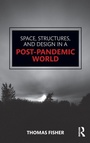
Thomas Fisher
Space, Structures and Design in a Post-Pandemic World
Book
04/2022
1st Edition
Routledge
€225.90
Shipment within 10-20 days
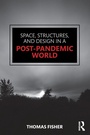
Thomas Fisher
Space, Structures and Design in a Post-Pandemic World
Book
04/2022
1st Edition
Routledge
€73.70
Shipment within 10-20 days
Person
Thomas Fisher is a Professor in the School of Architecture, Director of the Minnesota Design Center, and former Dean of the College of Design at the University of Minnesota. A former President of ACSA, he is also the former Editorial Director of Progressive Architecture magazine, recognized in 2005 as the fifth most published architecture writer in the United States. He has written or edited 11 books, 70 book chapters or introductions, and over 450 articles in professional journals and major publications.
Content
Contents
Preface
Part One: Post-Pandemic Challenges and Opportunities
Chapter One: Space
Chapter Two: Design
Chapter Three: Politics
Chapter Four: Economics
Chapter Five: Employment
Part Two: Post-Pandemic Functions and Facilities
Chapter Six: Working
Chapter Seven: Shopping
Chapter Eight: Learning
Chapter Nine: Studying
Part Three: Post-Pandemic Infrastructure and Open Space
Chapter Ten: Cities
Chapter Eleven: Streets
Chapter Twelve: Communities
Chapter Thirteen: Landscapes
INDEX
Preface
Part One: Post-Pandemic Challenges and Opportunities
Chapter One: Space
Chapter Two: Design
Chapter Three: Politics
Chapter Four: Economics
Chapter Five: Employment
Part Two: Post-Pandemic Functions and Facilities
Chapter Six: Working
Chapter Seven: Shopping
Chapter Eight: Learning
Chapter Nine: Studying
Part Three: Post-Pandemic Infrastructure and Open Space
Chapter Ten: Cities
Chapter Eleven: Streets
Chapter Twelve: Communities
Chapter Thirteen: Landscapes
INDEX
