


The Role of Bioethics in Emotional Problems
A Phenomenological Analysis of Intentions
1st Edition
Published on 5. April 2021
138 pages
978-1-000-37162-8 (ISBN)
Description

Following up from the previous book, Human Emotions and the Origins of Bioethics, this
volume focuses on four psychological problems, anxiety, narcissism, restlessness,
and emotional numbness, and explores how these problems influence bioethical issues and what bioethics can do to fix them.
The Role of Bioethics in Emotional Problems presents a phenomenological exploration of
emotional intention and describes how one's choices can determine a better relationship to
themselves and their community. Not only does this book provide the reader with an exhaustive account of the philosophical and psychological meaning of practical intentionality within Husserl's phenomenology, but it also applies Husserl's ethics to contemporary studies of human emotions and bioethical problems. Offering a non-reductionist model for an interdisciplinary inquiry into an emotional experience, it integrates clinical practice and articulates foundational knowledge of human emotional life at a professional level.
Aimed at students of philosophy, psychology, psychotherapy, and bioethics, this book is a unique phenomenological dialogue between these disciplines on emotional well-being.
volume focuses on four psychological problems, anxiety, narcissism, restlessness,
and emotional numbness, and explores how these problems influence bioethical issues and what bioethics can do to fix them.
The Role of Bioethics in Emotional Problems presents a phenomenological exploration of
emotional intention and describes how one's choices can determine a better relationship to
themselves and their community. Not only does this book provide the reader with an exhaustive account of the philosophical and psychological meaning of practical intentionality within Husserl's phenomenology, but it also applies Husserl's ethics to contemporary studies of human emotions and bioethical problems. Offering a non-reductionist model for an interdisciplinary inquiry into an emotional experience, it integrates clinical practice and articulates foundational knowledge of human emotional life at a professional level.
Aimed at students of philosophy, psychology, psychotherapy, and bioethics, this book is a unique phenomenological dialogue between these disciplines on emotional well-being.
Reviews / Votes
"Much of contemporary bioethical analysis takes place at one or a few levels: either close analysis of particular cases where the question is what one individual owes to another; or perhaps an analysis of ethical decision-making in small groups; or wider discussions in public health and environmental ethics, dealing with overarching causes and patterns. Rarely does one see an approach to bioethics that reaches all the way down into the psychodynamics of human emotions, puts them in relational and social context-borrowing from myths and cultural narratives along the way-while connecting the dots to broader concerns at the population and even planetary level. However, this well-written, engaging new book by Susi Ferrarello does just that. It should serve as a model for 'integrated,' multi-level bioethics going forward." - Brian Earp, associate director of the Yale-Hastings Program in Ethics and Health Policy at Yale University and The Hastings Center, USA"In a unique way, this book combines philosophical and psychological knowledge with medical and environmental issues. It is an indispensable book for both graduate and undergraduate students, as well as for scholars who seek ways to approach bioethics in an integrative way. The lived-experience of the individual is here elucidated within the context of society and it becomes clear how this intertwinement makes an impact on our societal well-being." - Magnus Englander, associate professor, Malmoe University, Sweden
More details
Edition
1. Auflage
Language
English
Place of publication
London
United Kingdom
Publishing group
Taylor & Francis Ltd
Target group
College/higher education
Product notice
Reflowable
ISBN-13
978-1-000-37162-8 (9781000371628)
Copyright in bibliographic data and cover images is held by Nielsen Book Services Limited or by the publishers or by their respective licensors: all rights reserved.
Schweitzer Classification
Other editions
Additional editions
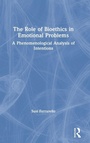
Susi Ferrarello
The Role of Bioethics in Emotional Problems
A Phenomenological Analysis of Intentions
Book
04/2021
1st Edition
Routledge
€184.70
Shipment within 15-20 days
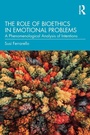
Susi Ferrarello
The Role of Bioethics in Emotional Problems
A Phenomenological Analysis of Intentions
Book
04/2021
1st Edition
Routledge
€50.40
Shipment within 15-20 days
Susi Ferrarello
The Role of Bioethics in Emotional Problems
A Phenomenological Analysis of Intentions
Book
04/2021
Routledge
Unfortunately, price unknown
Available (delivery time upon request)
Person
Susi Ferrarello is assistant professor at California State University, East Bay and a philosophical counselor.
Content
Introduction 1. Narcissists Missing Their Environment; 2. Anxiety: An Emotional Geography 3. Emotional Numbness: The Paradox of Exclusion 4. Restlessness: The Case of Ulysses Syndrome Conclusion Appendix
