

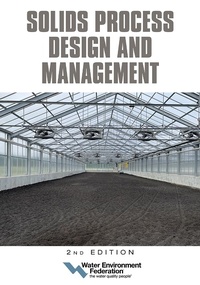
Solids Process Design and Management, 2nd Edition
Published on 6. September 2023
993 pages
978-1-57278-448-2 (ISBN)
Description

The second edition of this publication is intended for use by professionals engaged in the design, approval, and operation of municipal solids treatment and disposal systems in utilities of all sizes. It includes updated information to accounting for the recent changes and improvements in technology and regulatory environment policies. Chapters include updated solids incineration, dewatering information improvements, updates to solar drying information, regulatory environmental policies, utility management, technological advancements, planning, public outreach and involvement, solids production and characterization, design approach, conveyance, conditioning, thickening, waste minimization, anaerobic and aerobic digestion, composting, alkaline treatment, disinfection and stabilization, thermal drying, thermal oxidation, pyrolysis and gasification, transport and storage, odor management, side streams, instrumentation and monitoring, land application and product distribution, landfill management, emerging technologies, and treatment and utilization of green gases.
More details
Other editions
Additional editions
Water Environment Federation
Solids Process Design and Management, 2nd Edition
Book
06/2023
2nd Edition
Water Environment Federation,US
€212.50
Shipment within 3-4 weeks
Content
- Intro
- Title Page
- Copyright
- Contents
- List of Figures
- List of Tables
- Preface
- Chapter 1 Introduction
- 1.0 Background
- 2.0 Scope and Process
- 3.0 References
- Chapter 2 Considerations for Planning of Biosolids Management Projects
- 1.0 Introduction
- 2.0 Federal and State Regulations
- 2.1 Background
- 2.2 Part 503 Standards-Class A and Class B Biosolids
- 2.3 Pathogen Reduction
- 2.3.1 Pathogen Reduction to Achieve Class A
- 2.3.2 Pathogen Reduction to Achieve Class B
- 2.4 Vector Attraction Reduction
- 2.5 Numeric Limits for Metals
- 2.6 State Regulations
- 3.0 Basis for a Biosolids Management Plan
- 4.0 Project Financing
- 5.0 The Planning Effort
- 6.0 Required Permits and Applicable Building Codes
- 7.0 Emerging Issues
- 8.0 Environmental Management Systems
- 8.1 The Challenges
- 8.2 Management Overview (or Ensuring Management Support)
- 8.2.1 Management Policy and Support
- 8.2.2 Goals and Objectives for Continual Improvement
- 8.2.3 Roles and Responsibilities
- 8.2.4 Management Review
- 8.3 Quality Management Practices
- 8.3.1 Best Management Practice Guidelines
- 8.3.2 Safe Practices Manual Guidelines
- 8.3.3 Environmental Aspects and Critical Control Points
- 8.3.4 Operational Controls
- 8.3.5 Monitoring and Measurement
- 8.3.6 Documentation and Recordkeeping
- 8.3.7 Auditing, Nonconformance, Preventive and Corrective Action
- 8.3.8 Emergency Preparedness and Response
- 8.4 Relationships With Interested Parties
- 8.4.1 Public Participation
- 8.4.2 Communication and Outreach (Internal, External, Regulatory)
- 8.4.3 Training
- 8.4.4 Regulatory Compliance/Legal Requirements
- 9.0 References
- 10.0 Suggested Readings
- Chapter 3 Public Outreach and Involvement
- 1.0 Introduction
- 2.0 Public Outreach and Involvement Basics
- 2.1 When Is Public Outreach and Involvement Needed?
- 2.2 Siting a Biosolids Program and Community Acceptance
- 2.3 Managing Public Involvement
- 2.4 Responsibility to Protect the Public's Investment
- 2.5 Time and Money Commitments for Public Outreach and Involvement
- 2.6 Extent of Public Outreach and Involvement
- 2.7 Benefits of Public Outreach and Involvement
- 2.8 Risk Assessment and Risk Perception
- 2.9 Risk Communication
- 2.10 Building Trust
- 3.0 Action Items for Effective Public Outreach and Involvement
- 3.1 Consult Available Resources
- 3.2 Start Public Outreach and Involvement Right Away
- Case Study: Siting a Biosolids Composting Facility
- 3.3 Ensure That the Project Team Is Committed to the Process
- 3.4 Identify Stakeholders
- 3.5 Listening to Learn from Stakeholders and the Community
- 3.5.1 Mental Models (Focused Interviews or Dialogue Method)
- 3.5.2 Focus Groups
- 3.5.3 Opinion Polling
- 3.5.4 Informal Methods for Listening and Learning
- 3.6 Continue Public Outreach and Involvement
- 3.7 Communicating
- 3.8 Quality
- 3.9 Independent Evaluation and Monitoring
- 3.10 Evaluating a Public Outreach and Involvement Program
- Case Study: Denver's Biosolids Land Application Program
- 4.0 Special Circumstances
- 4.1 Public Outreach and Involvement in Ongoing Operations
- 4.2 Public Reactions to Odors
- 4.3 Working With the Media
- 4.4 Crisis Communications
- 4.5 Working With Elected Officials
- 4.6 Dealing With Dedicated Opponents and Other Agendas
- 4.7 Public Outreach and Involvement Is Part of a Strong Legal Defense
- 4.8 Conclusion: Building Relationships for the Long Term
- 5.0 References
- 6.0 Suggested Readings
- Chapter 4 Solids Production and Characterization
- 1.0 Introduction
- 2.0 Sources of Solids in Wastewater Treatment
- 2.1 Preliminary Treatment
- 2.2 Primary Treatment
- 2.3 Secondary Treatment
- 2.4 Tertiary Treatment
- 2.5 Scum and Grease
- 3.0 Typical Analyses for Wastewater Solids
- 3.1 Sampling
- 3.1.1 Methods
- 3.1.2 Potential Biases and Errors in Biosolids Sampling
- 3.2 Constituents Found in Solids
- 3.3 Methods of Analysis
- 3.4 Physical Properties
- 3.5 Biological Properties
- 3.6 Chemical Properties
- 3.7 Additional Analytical Considerations
- 3.7.1 Pollutant Limits
- 3.7.2 Microconstituents
- 4.0 Typical Solids Characteristics
- 4.1 Preliminary Treatment
- 4.2 Primary Treatment
- 4.3 Secondary Treatment
- 4.3.1 Conventional Activated Sludge
- 4.3.2 Extended Air/Oxidation Ditch
- 4.3.3 Biological Nutrient Removal
- 4.3.4 Fixed-Film/Hybrid Processes
- 4.3.5 Membrane Bioreactors
- 4.3.6 Tertiary Treatment
- 5.0 Estimation of Wastewater Solids Quantities
- 5.1 Criteria Used for Solids Processing Design
- 5.1.1 Annual Average
- 5.1.2 Maximum Month
- 5.1.3 Peak Week
- 5.1.4 Peak Day
- 5.1.5 Hours of Operation
- 5.2 Typical Quantities of Solids
- 5.3 Methods for Estimating Solids Quantities
- 5.3.1 Overview
- 5.3.2 Analysis of Historical Data
- 5.3.3 Empirical Sludge Estimation Techniques
- 5.3.4 Theoretical Model-Based Estimation
- 5.3.4.1 Influent Wastewater Characteristics
- 5.3.4.2 Primary
- 5.3.4.3 Biological
- 5.3.5 Comprehensive Simulation Models
- 5.3.6 Additional Factors Affecting Sludge Production
- 6.0 References
- 7.0 Suggested Reading
- Chapter 5 Design Approach
- 1.0 Introduction
- 2.0 Design Project Phases
- 2.1 Small Design Projects
- 2.2 Large Design Projects
- 2.3 Typical Phases of a Design Project
- 2.4 Design Processes and Activities
- 2.5 Required Design Processes
- 3.0 Process Selection
- 3.1 Relevant Criteria for Solids Process Selection
- 3.2 Identification of System Options
- 3.3 Biosolids Process Selection-Evaluation
- 3.3.1 Developing Alternatives
- 3.3.2 Screening Alternatives
- 3.3.3 Collecting Meaningful, Reliable Data
- 3.3.4 Evaluating Screened Alternatives
- 3.3.5 Developing Plan to Proceed With Selected Alternative
- 4.0 Mass Balances and Process Schematics
- 4.1 Mass Balance Approach to Solids Processing
- 4.1.1 Generation of Wastewater Treatment Residuals
- 4.1.2 Interfaces Between Biosolids Handling and Treatment
- 4.2 Process Schematic Approach
- 4.2.1 Example 1-Secondary Treatment With Activated Sludge, Dewatering of Waste Activated Sludge, and Landfilling of Raw Solids
- 4.2.2 Example 2-Primary Clarification with Activated Sludge, Thickening of Waste Activated Sludge, Anaerobic Digestion, and Land Application of Digested Biosolids
- 4.2.3 Example 3-Oxidation Ditch, Aerobic Digestion, Dewatering, and Land Application of Class B, Cake Biosolids
- 5.0 Equipment Selection and Sizing
- 5.1 Evaluating Equipment
- 5.2 Integration of Equipment Into Selected Process
- 5.3 Specifying Equipment Features and Options
- 5.4 Established, Innovative, and Embryonic Equipment
- 6.0 Contingency Planning
- 6.1 Designing for Emergency Conditions
- 6.2 Process and Equipment Redundancy
- 6.3 Developing a Contingency Plan
- 7.0 Other Design Considerations
- 7.1 Site Variations
- 7.2 Energy Conservation and Recovery
- 7.3 Cost-Effective Analyses
- 7.4 Design Checklists
- 8.0 References
- 9.0 Suggested Readings
- Chapter 6 Conveyance of Wastewater Residuals
- 1.0 Introduction
- 2.0 Pumping and Pipelines
- 2.1 Sources and Properties of Residuals
- 2.2 Application of Rheology to Sludge Pumping Problems
- 2.3 Head Loss Calculations for Pumping of Non-Newtonian Sludges
- 2.3.1 Introduction
- 2.3.2 Head Losses From Pumping Dilute Residuals
- 2.3.3 Head Losses From Pumping Thickened Residuals
- 2.3.3.1 Simplified Head Loss Calculations
- 2.3.3.2 Using Known Equations for Water
- 2.3.3.3 Using Yield Stress and Coefficient of Rigidity
- 2.3.3.4 Obtaining the System Properties
- 2.3.3.5 Laminar Flow
- 2.3.3.6 Laminar, Transition, and Turbulent Flow
- 2.3.3.7 Field Pumping Studies and Long-Distance Pumping
- 2.3.3.8 Solved Example 1: Laminar Flow
- 2.3.3.9 Solved Example 2: Transition/Turbulent Flow
- 2.3.3.10 Solved Example 3: Laminar and Turbulent Flow
- 2.3.4 Head Losses From Pumping Dewatered Residuals
- 2.4 Overview of Residuals Pumping Equipment
- 2.5 Application of Sludge Pumps
- 2.6 Pipe, Fittings, and Valves
- 2.7 Inline Grinding
- 2.8 Line Lubrication
- 2.9 Experience and Design Guidelines for Long-Distance Pumping of Liquid Residuals
- 2.9.1 Experience
- 2.9.2 Design Guidance
- 2.10 Case Studies of Dewatered Cake Pumping
- 3.0 Conveyor Systems
- 4.0 Overview of Design and Control Considerations for Residuals Conveyance Systems
- 5.0 Odors
- 6.0 References
- Chapter 7 Chemical Conditioning
- 1.0 Introduction
- 2.0 Types of Water in Biosolids
- 2.1 Free Water
- 2.2 Bound Water
- 2.3 Vicinal Water
- 2.4 Interstitial Water
- 2.5 Capillary Water
- 2.6 Removing Water From Biosolids
- 3.0 Factors Affecting Conditioning
- 3.1 Residuals Characteristics
- 3.1.1 Source of Residuals
- 3.1.2 Solids Concentration
- 3.1.3 Alkalinity and pH
- 3.1.4 Extracellular Polymeric Substances
- 3.1.5 Particle Size and Distribution
- 3.1.6 Degree of Hydration
- 3.1.7 Particle Surface Charge
- 3.1.8 Wastewater Cations
- 3.1.9 Rheology
- 3.2 Inorganic Chemical Addition
- 3.2.1 Ferric Chloride and Alum
- 3.2.2 Struvite Control
- 3.3 Handling and Processing Conditions Before Conditioning
- 3.3.1 Storage
- 3.3.2 Pumping
- 3.3.3 Mixing
- 3.4 Ultimate Disposal or Use of Solids
- 4.0 Types of Chemical Conditioning
- 4.1 Inorganic Chemicals
- 4.1.1 Lime and Its Characteristics
- 4.1.2 Ferric Salts
- 4.1.3 Ferric Salts with Lime
- 4.1.4 Aluminum Salts
- 4.1.5 Process Design Considerations
- 4.1.5.1 Gravity Thickening
- 4.1.5.2 Recessed-Plate Filter Press Dewatering
- 4.1.5.3 Belt Filter Press Dewatering
- 4.2 Organic Flocculants (Polymers)
- 4.2.1 Background
- 4.2.2 Polymer Characteristics
- 4.2.2.1 Electronic Charge
- 4.2.2.2 Charge Density
- 4.2.2.3 Molecular Weight
- 4.2.3 Polymer Forms and Storage and Handling
- 4.2.3.1 Dry Polyacrylamide
- 4.2.3.2 Emulsion Polyacrylamide
- 4.2.3.3 Solution Polyacrylamide
- 4.2.4 General Safety
- 4.2.5 Polymer Specifications and Quality Control
- 4.2.5.1 Active Polymer Content
- 4.2.5.2 Charge Density
- 4.2.5.3 Standard Viscosity
- 4.2.6 Polymer Make-Down Design
- 4.2.6.1 Dry Polyacrylamide
- 4.2.6.2 Emulsion Polyacrylamide
- 4.2.6.3 Polymer Degradation
- 4.2.7 Process Design Considerations for Thickening and Dewatering
- 4.2.7.1 Gravity Thickening
- 4.2.7.2 Dissolved Air Flotation Thickening
- 4.2.7.3 Centrifugal Thickening
- 4.2.7.4 Gravity Belt Thickening
- 4.2.7.5 Rotary Drum Thickening
- 4.2.7.6 Centrifugal Dewatering
- 4.2.7.7 Belt Filter Press Dewatering
- 4.2.7.8 Screw Press Dewatering
- 4.2.7.9 Rotary Press Dewatering
- 4.2.7.10 Drying Beds
- 5.0 Performance Optimization
- 5.1 Cost of Polymer
- 5.2 Cost of Sludge Disposal or Downstream Processing
- 5.3 Cost of Recycle (Capture)
- 5.4 Throughput (Feed Rate)
- 6.0 Automation
- 7.0 Outline for Conducting Effective Polymer Evaluations and Product Selection
- 8.0 References
- 9.0 Suggested Readings
- Chapter 8 Thickening
- 1.0 Introduction
- 2.0 Thickening Process Selection
- 2.1 Materials Thickened
- 2.1.1 Primary Sludge
- 2.1.2 Waste Activated Sludge
- 2.1.3 Fats, Oils, and Grease
- 2.2 Pretreatment
- 2.2.1 Degritting
- 2.2.2 Grinding
- 2.2.3 Screening
- 2.3 Recycle Streams
- 3.0 Thickening in Sedimentation Basins
- 3.1 Primary Sedimentation
- 3.2 Secondary Sedimentation
- 4.0 Gravity Thickeners
- 4.1 Background
- 4.2 Equipment Description
- 4.2.1 Major Elements
- 4.2.2 System Design Considerations
- 4.3 Design Criteria
- 4.3.1 Surface-Area Requirements
- 4.3.2 Mass Loading
- 4.3.3 Hydraulic Loading
- 4.3.4 Drive-Torque Requirements
- 4.3.5 Total Tank Depth
- 4.3.6 Floor Slope
- 4.3.7 Odor Control
- 4.3.8 Pickets
- 4.4 Performance
- 4.4.1 Thickened Solids
- 4.4.2 Capture Rates
- 4.4.3 Chemical Requirements
- 4.4.4 Power Requirements
- 4.4.5 Gravity Thickener Process-Control Strategy
- 5.0 Dissolved Air Flotation Thickening
- 5.1 Background
- 5.1.1 Major Elements
- 5.1.2 Clarification and Thickening Functions
- 5.2 Equipment Description
- 5.2.1 Dissolved Air Flotation Thickening Tanks
- 5.2.2 Saturation System
- 5.2.3 Float Collection
- 5.2.4 Bottom Sludge Collection
- 5.2.5 Other Equipment
- 5.3 Design Criteria
- 5.3.1 Air/Solids Ratio
- 5.3.2 Hydraulic Loading
- 5.3.3 Solids Loading
- 5.4 Performance
- 5.4.1 Thickened-Solids Concentrations
- 5.4.2 Capture Rates
- 5.4.3 Chemical Requirements
- 5.4.4 Power Requirements
- 5.4.5 Process-Control Strategy
- 6.0 Centrifugal Thickening
- 6.1 Background
- 6.2 Equipment Description
- 6.2.1 Co-current/Countercurrent Designs
- 6.2.2 Equipment Design
- 6.2.3 Mechanical Features
- 6.2.4 Electrical Features
- 6.3 Design Criteria
- 6.3.1 g-Force
- 6.3.2 g-Volume Description
- 6.3.3 Usable Bowl Volume
- 6.3.4 Predicted Throughput Based on g-Volume
- 6.3.5 Hydraulic Loading Rates
- 6.4 Performance
- 6.4.1 Thickened Solids
- 6.4.2 Capture
- 6.4.3 Chemical Requirements
- 6.4.4 Power Requirements
- 6.4.5 Process-Control Strategy
- 7.0 Gravity Belt Thickeners
- 7.1 Background
- 7.2 Equipment Description
- 7.2.1 Sludge Conditioning and Distribution
- 7.2.2 Liquid/Solids Separation
- 7.2.3 Belt Tensioning
- 7.2.4 Belt Washing
- 7.2.5 Feed-Sludge Systems
- 7.2.6 Thickened-Sludge Systems
- 7.3 Design Criteria
- 7.3.1 Hydraulic and Solids Loading Rates
- 7.3.2 Wash Water System
- 7.3.3 Filtrate System
- 7.3.4 Chemical Feed Systems
- 7.3.5 Odor Control
- 7.4 Performance
- 7.4.1 Thickened Solids
- 7.4.2 Capture
- 7.4.3 Chemical Requirements
- 7.4.4 Power Requirements
- 7.4.5 Estimated Capital and Operation and Maintenance Costs
- 7.4.6 Process-Control Strategy
- 8.0 Rotary Drum Thickening
- 8.1 Background
- 8.2 Equipment Description
- 8.3 Design Criteria
- 8.3.1 Hydraulic and Solids Loading Rates
- 8.3.2 Wash Water Systems
- 8.3.3 Filtrate Systems
- 8.3.4 Odor Control
- 8.4 Performance
- 8.4.1 Thickened Solids
- 8.4.2 Capture
- 8.4.3 Chemical Requirements
- 8.4.4 Power Requirements
- 8.4.5 Process-Control Strategy
- 9.0 Disc Thickening
- 9.1 Background
- 9.2 Equipment Description
- 9.3 Design Criteria
- 9.3.1 Hydraulic and Solids Loading Rates
- 9.3.2 Wash Water Systems
- 9.3.3 Filtrate Systems
- 9.3.4 Chemical Feed Systems
- 9.4 Performance
- 9.4.1 Thickened Solids
- 9.4.2 Capture
- 9.4.3 Chemical Requirements
- 9.4.4 Power Requirements
- 9.4.5 Process-Control Strategy
- 10.0 Membrane Thickening
- 10.1 Background
- 10.2 Equipment Description
- 10.3 Design Criteria
- 10.3.1 Membrane Flux
- 10.3.2 Hydraulic Loading Range
- 10.3.3 Concentration of Waste Activated Sludge
- 10.3.4 Process Temperature
- 10.3.5 Redundancy Requirements
- 10.4 Performance
- 10.4.1 Thickened Solids
- 10.4.2 Capture
- 10.4.3 Chemical Requirements
- 10.4.4 Power Requirements
- 10.5 Process-Control Strategy
- 10.5.1 Mode of Operation
- 10.5.2 Equipment Monitoring
- 10.5.3 Process Monitoring
- 10.5.4 Levels of Automation
- 11.0 References
- 12.0 Suggested Readings
- Chapter 9 Anaerobic Digestion
- 1.0 Introduction
- 2.0 Planning Considerations
- 2.1 Economic
- 2.2 Environmental
- 2.3 Operational
- 2.4 Social/Political
- 3.0 Anaerobic Digestion Theory
- 3.1 Digestion Loading Rate
- 3.2 Solids Retention Time and Hydraulic Retention Time
- 3.3 Volatile Solids Loading Rate
- 3.4 Volatile Solids Destruction
- 4.0 Digestion Pretreatment
- 4.1 Sludge Characterization
- 4.2 Sludge Thickening
- 4.3 Sludge Screening, Grinding, and Grit Removal
- 4.4 Sludge Pretreatment
- 4.5 Sludge Blending
- 5.0 Digester Facilities Design
- 5.1 Process Configuration
- 5.1.1 Two-Stage Digestion
- 5.1.2 Single-Stage Digestion
- 5.2 Digester Tank Geometry
- 5.3 Covers and Appurtenances
- 5.4 Sludge Feeding and Withdrawal
- 5.5 Sludge Heating
- 5.6 Digester Mixing
- 5.7 Digester Cleaning
- 5.8 Biogas Management
- 5.9 Odor Control
- 6.0 Process Control Measuring and Monitoring of Anaerobic Digestion
- 7.0 High-Performance Anaerobic Digestion
- 8.0 Enhanced Hydrolysis
- 8.1 Thermal
- 8.2 Mechanical
- 8.3 Chemical
- 9.0 Thermophilic Anaerobic Digestion
- 9.1 Configuration
- 9.2 Process Discussion: Thermophilic Digestion
- 9.3 Temperature-Phased Anaerobic Digestion Process
- 9.4 Design Criteria and Performance
- 9.5 Temperature-Phased Anaerobic Digestion Performance
- 9.6 Physical Considerations
- 9.6.1 Structural Considerations
- 9.6.2 Linings and Construction Materials
- 9.6.3 Sludge Feeding
- 9.6.4 Sludge Heating and Heat Recovery
- 9.7 Biogas Management
- 9.8 Dewatering
- 9.9 Odor Control and Issues From Thermophilic Digestion
- 10.0 Acid/Gas-Phased Digestion
- 10.1 Configuration
- 10.2 Process
- 10.3 Acid/Gas Approaches
- 10.4 Design Criteria and Performance
- 10.5 Physical Considerations
- 10.6 Sludge Feeding
- 10.7 Sludge Heating
- 10.8 Digester Mixing Considerations
- 10.9 Biogas Management
- 10.10 Dewatering
- 10.11 Advantages and Disadvantages of Acid/Gas-Phased Digestion
- 11.0 Extended Solids Retention Time (Recuperative Thickening)
- 12.0 Dual Digestion (Anaerobic/Aerobic Digestion)
- 13.0 Co-Digestion
- 13.1 Co-Digestion Loading Rates
- 13.2 Types and Sources of Co-Digestion Feedstocks
- 13.3 Fats, Oils, and Grease
- 13.4 Effect of Fats, Oil, and Grease Addition on Digestion
- 13.5 Food Wastes
- 13.6 Advantages and Disadvantages of Co-Digestion
- 14.0 Future of Anaerobic Digestion
- 15.0 References
- 16.0 Suggested Readings
- Chapter 10 Aerobic Digestion
- 1.0 Introduction
- 1.1 History of Aerobic Digestion
- 1.2 Advantages and Disadvantages
- 1.3 Microbiology
- 2.0 Conventional Aerobic Digestion
- 2.1 Process Description
- 2.2 Process Design, Equipment, and Selection
- 2.2.1 Types of Reactors
- 2.2.2 Single-Stage Versus Multistage Operation
- 2.2.3 Piping Requirements
- 2.3 Aeration Equipment
- 2.3.1 Diffused Aeration Equipment
- 2.3.2 Shear Tubes
- 2.3.3 Mechanical Surface Aerators
- 2.3.4 Submerged Mechanical Aerators
- 2.3.5 Jet Aeration
- 2.3.6 Blowers
- 2.3.7 Pumps
- 2.3.8 Aeration and Mixing Requirements
- 2.4 Biosolids Dewatering Characteristics
- 3.0 Autothermal Thermophilic Aerobic Digestion
- 3.1 Typical Design Considerations
- 3.1.1 Types of Reactors
- 3.1.2 Aeration Equipment
- 3.1.3 Use of High-Purity Oxygen
- 3.1.4 Odor Control
- 3.2 Sludge Feed Source and Thickening Requirements
- 3.3 Post-Cooling and Holding Requirements
- 3.4 Kinetics
- 3.5 System Efficiency
- 3.6 Dewatering of Autothermal Thermophilic Aerobic Digestion Solids
- 3.7 Post-Autothermal Thermophilic Aerobic Digestion Mesophilic Stabilization
- 4.0 Cryophilic Aerobic Digestion
- 5.0 Other Combined Processes
- 5.1 Aerobic Digestion and Thermal Drying
- 5.2 Aerobic Thermophilic Pretreatment
- 6.0 Process Instrumentation and Controls
- 7.0 Process Performance and Control
- 7.1 Rules and Regulations
- 7.2 Standards for the Use or Disposal of Biosolids
- 8.0 Parameters used to Evaluate Performance of Aerobic Digesters
- 8.1 Standard Oxygen Uptake Rate
- 8.2 Pathogen Reduction
- 8.3 Volatile Solids Reduction and Solids Reduction
- 8.4 Solids Retention Time Times Temperature
- 8.5 Nitrogen Removal in Biosolids
- 8.6 Supernatant Quality of Recycled Sidestreams
- 9.0 Design Techniques to Optimize Aerobic Digestion
- 9.1 Sludge Thickening
- 9.1.1 Prethickening Processes
- 9.1.2 Batch Operation and Decanting
- 9.1.2.1 Decanter Types
- 9.1.2.2 Operational Issues
- 9.1.3 Continuous-Feed Operation With Separate Clarification
- 9.1.4 In-Loop (Recuperative) Gravity Thickening
- 9.1.5 In-Loop (Recuperative) Membrane Thickening
- 9.1.6 Mechanical Prethickening
- 9.1.7 Basin Design and Configuration-Thickened Aerobic Digester
- 9.1.8 Staging Digesters
- 9.1.9 Air Requirements
- 9.2 Aerobic-Anoxic Operation
- 9.2.1 Savings
- 9.2.2 Dissolved Oxygen and Oxygen Requirements
- 9.3 Phosphorus Management in Aerobic Digestion
- 10.0 References
- 11.0 Suggested Readings
- Chapter 11 Dewatering
- 1.0 Introduction
- 1.1 Process Evaluation
- 1.2 Factors Affecting Performance
- 1.3 Methods of Dewatering
- 1.4 Selection of a Dewatering Process
- 1.5 Dewatering Costs
- 1.6 Quality Assurance/Quality Control
- 2.0 Air Drying
- 2.1 Introduction
- 2.2 Basic Components
- 2.3 Conventional Drying Beds
- 2.3.1 Description
- 2.3.2 Principles of Operation
- 2.4 Paved Drying Beds
- 2.4.1 Description
- 2.4.2 Principles of Operation
- 2.5 Wedge-Wire Drying Beds
- 2.5.1 Description
- 2.5.2 Principles of Operation
- 2.6 Drying Lagoons
- 2.6.1 Description
- 2.6.2 Principles of Operation
- 2.7 Geotextile Tube Dewatering/Geotextile Bags
- 2.7.1 Description
- 2.7.2 Principles of Operation
- 2.7.3 Pre- and Posttreatment
- 3.0 Belt Presses
- 3.1 Background
- 3.2 Description
- 3.2.1 Gravity Drainage Zones
- 3.2.2 Pressure Zones
- 3.3 Design Criteria
- 3.3.1 Equipment Design, Access, and Layout
- 3.3.1.1 Equipment Structural Elements
- 3.3.1.2 Number/Pattern of Rollers
- 3.3.1.3 Belt Speed
- 3.3.1.4 Belt Tracking
- 3.3.1.5 Belt Tension
- 3.3.1.6 Access and Layout
- 3.3.2 Hydraulic and Solids Capacity
- 3.3.2.1 Hydraulic Loading Rate
- 3.3.2.2 Solids Loading Rate
- 3.3.3 Sludge and Polymer Feed
- 3.3.4 Belt Washing
- 3.3.4.1 Belt Cleaning System
- 3.3.4.2 Belt Washing Systems
- 3.3.4.3 Wash Water Requirements
- 3.3.5 Odor Control
- 3.4 Performance
- 3.4.1 Pretreatment and Stabilization
- 3.4.2 Cake Solids
- 3.4.3 Loading Rate/Belt Width
- 3.4.4 Chemical Conditioning Requirements
- 3.4.5 Power Requirements
- 4.0 Recessed Plate Pressure Filters
- 4.1 Background
- 4.2 Description
- 4.2.1 Types of Filter Presses
- 4.2.2 Principles of Operation
- 4.2.3 Operating Cycle
- 4.3 Design Criteria
- 4.3.1 Cycle Time
- 4.3.2 Operating Pressures
- 4.3.3 Number of Plates
- 4.4 Performance
- 4.4.1 Cake Solids
- 4.4.2 Solids Capture
- 4.4.3 Energy Requirements
- 5.0 Screw Presses
- 5.1 Background
- 5.2 Description
- 5.3 Design Criteria
- 5.3.1 Mechanical Features
- 5.3.2 Operating Speed
- 5.3.3 Unit Redundancy
- 5.3.4 Structural Elements and Building Requirements
- 5.3.5 Ancillary Equipment and Controls
- 5.3.6 Chemical Conditioning
- 5.4 Performance
- 5.4.1 Hydraulic and Solids Loading Rates
- 5.4.2 Cake Solids
- 5.4.3 Rotation Speed
- 5.4.4 Energy Requirements
- 5.4.5 Wash Water and Pressate
- 6.0 Rotary Presses
- 6.1 Background
- 6.2 Design Criteria
- 6.2.1 Hydraulic Loading Rate
- 6.2.2 Solids Loading Rate
- 6.3 Performance
- 7.0 Centrifuges
- 7.1 Background
- 7.2 Description
- 7.2.1 Major Elements
- 7.2.1.1 Bowl
- 7.2.1.2 Scroll
- 7.2.1.3 Frame
- 7.2.1.4 Main Drive
- 7.2.1.5 Back Drive
- 7.2.1.6 Controls
- 7.2.1.7 Instrumentation
- 7.2.2 Factors That Affect Process Efficiency
- 7.2.2.1 Acceleration of the Feed Material
- 7.2.2.2 Separation of the Solids From Liquid
- 7.2.2.3 Compaction of Solids
- 7.2.2.4 Removal of Solids
- 7.2.3 High-Solids Dewatering
- 7.3 Design Criteria
- 7.3.1 Bowl Speed
- 7.3.2 Pool Depth
- 7.3.3 Bowl-Scroll Geometry
- 7.3.4 Wash Water
- 7.3.5 Venting
- 7.3.6 Dynamic Loads
- 7.3.7 Vibration/Noise Control
- 7.3.8 Chemical Conditioning
- 7.4 Performance
- 7.4.1 Hydraulic Loading Rates
- 7.4.2 Solids Loading Rates
- 7.4.3 Cake Solids
- 7.4.4 Solids Capture
- 7.4.5 Energy Requirements
- 8.0 References
- 9.0 Suggested Readings
- Chapter 12 Composting
- 1.0 Introduction
- 1.1 Composting Objectives
- 1.2 Historical Overview of Biosolids Composting
- 2.0 Facility Development
- 2.1 Planning and Feasibility
- 2.2 Locating a Facility
- 2.3 Transition From Planning to Design
- 2.4 Preliminary Engineering and Design Development
- 2.5 Final Design
- 3.0 Facility Design
- 3.1 Process Selection
- 3.1.1 Biosolids Composting Process Alternatives
- 3.1.2 Aerated Static Pile Systems
- 3.1.3 In-Vessel Composting Systems
- 3.1.4 Windrow Composting
- 3.1.5 Hybrid Processes
- 3.1.6 Membrane Covered Pile Process
- 3.1.7 Composting Process Selection Criteria
- 3.2 Mass Balances and Process Steps
- 3.3 Mass Balance Approach to Composting
- 3.4 Biosolids Characteristics
- 3.5 Amendments and Bulking Agents
- 3.6 Energy Balances
- 3.7 Product Generation and Characteristics
- 3.8 Composting Process Steps
- 3.8.1 Materials Receiving/Handling
- 3.8.2 Mixing
- 3.8.3 Active Composting
- 3.8.4 Aeration Systems and Controls
- 3.8.5 Product Screening
- 3.8.6 Curing/Maturing
- 3.8.7 Storage/Distribution
- 3.9 Composting Odors and Emissions
- 3.9.1 Odor and Emissions Production
- 3.9.2 Odor and Emission Regulations
- 3.9.3 Odor Containment and Capture
- 3.9.4 Odor Control and Treatment Options
- 3.10 Selection and Sizing of Equipment
- 3.11 Other Design Considerations
- 3.11.1 Site Work
- 3.11.2 Energy Conservation
- 3.11.3 Contingency Planning
- 4.0 Compost Marketing and Use
- 5.0 Design Example for Aerated Static Pile
- 6.0 Case Study for Aerated Static Pile
- 7.0 References
- 8.0 Suggested Readings
- Chapter 13 Alkaline Treatment
- 1.0 Introduction
- 2.0 Alkaline Materials
- 2.1 Materials Used in Treating Sludge
- 2.2 Typical Chemical Reactions
- 2.3 Type of Material to Use
- 2.3.1 Available Lime Index
- 2.3.2 Reactivity Rates and Byproducts
- 2.4 Considerations in pH Measurement
- 2.4.1 Ammonia Conversion and Gas Release
- 2.4.2 Measurement of pH of a Limed Sludge Sample
- 2.4.3 Measurement of pH Using a Flat-Surface pH Electrode
- 2.5 Lime-Based Alkaline Material Dose Rate
- 3.0 Designing Treatment Facilities And Systems
- 3.1 Process Descriptions
- 3.1.1 Dry-Lime (Post-Lime) Stabilization
- 3.1.2 Advanced Stabilization Technologies
- 3.1.3 Process Variations
- 3.2 Design Considerations and Criteria
- 3.2.1 Feed Sources and Characteristics
- 3.2.2 Contact Time, pH, and Temperature
- 3.2.3 Chemical Types and Dosage Rate
- 3.2.4 Solids Concentration of Stabilized Product
- 3.2.5 Energy Requirements
- 3.2.6 Pilot-Scale Testing
- 3.2.7 Process Optimization in Alkaline Treatment
- 3.2.8 Process Monitoring and Control
- 3.2.9 Mixing Requirements
- 3.2.10 Dewatered Cake/Chemical Mixing for Dry-Lime Stabilization
- 3.2.11 Economic Considerations
- 3.3 Solids Cake and Dry-Lime Stabilized Product (Biosolids) Handling
- 4.0 Design Example
- 4.1 Design Example Process Assumptions
- 4.2 Product Considerations
- 4.3 Process and Equipment Descriptions
- 5.0 References
- 6.0 Suggested Readings
- Chapter 14 Disinfection and Stabilization Processes
- 1.0 Introduction
- 2.0 Class A Disinfection Processes
- 2.1 Class A-Alternative 1
- 2.2 Class A-Alternative 2
- 2.3 Class A-Alternatives 3 and 4
- 2.4 Class A-Alternative 5
- 2.4.1 Composting
- 2.4.2 Heat Drying
- 2.4.3 Heat Treatment
- 2.4.4 Thermophilic Aerobic Digestion
- 2.4.5 Beta Ray and Gamma Ray Irradiation
- 2.4.6 Pasteurization
- 2.4.6.1 Ancillary Equipment for Pasteurization
- 2.4.6.2 Performance
- 2.4.6.3 Alternative Approach to Achieve Pasteurization
- 2.5 Class A-Alternative 6
- 3.0 Class B Disinfection Processes
- 3.1 Class B-Alternative 1
- 3.2 Class B-Alternative 2
- 3.3 Class B-Alternative 3
- 4.0 Processes to Significantly reduce Pathogens and Processes to further reduce Pathogens
- 4.1 Detailed Process Description
- 4.2 Supporting Literature and Data for a Process
- 4.3 Preparation and Implementation of a Quality Assurance Project Plan
- 4.3.1 Developing Process-Specific Performance Data
- 4.3.2 Data Quality Objectives
- 4.3.3 Sampling Technique
- 4.3.4 Need for and Implementation of Spiking
- 4.3.5 Analytical Methods
- 4.4 Analytical Results
- 4.5 Conclusions
- 4.6 Use of Statistics
- 5.0 Requirements for Vector-Attraction Reduction
- 5.1 Biological Stabilization and Vector-Attraction Reduction
- 5.2 Vector-Attraction Reduction
- 5.3 Types of Stabilization Processes
- 5.4 Stabilization as a Nonreversible Process
- 5.5 Reversible "Stabilization" Processes
- 5.6 Alternative Approaches to Vector-Attraction Reduction and Stabilization
- 5.6.1 Metropolitan Water Reclamation District of Greater Chicago
- 5.6.2 Process Descriptions and Pathogen Reduction
- 5.6.2.1 Storage Lagoons
- 5.6.2.2 Air Drying
- 5.6.2.3 Cake Storage
- 5.6.3 Process to Further Reduce Pathogens Equivalency: Class A Alternative 6
- 5.6.4 Low-Technology Class A Disinfection and Vector-Attraction Reduction or Stabilization Process Guidelines
- 5.6.4.1 Lagoon Storage
- 5.6.4.2 Air Drying or Cake Storage
- 5.6.4.3 Combined Lagoon-Storage and Air-Drying Systems
- 5.6.5 Costs of the Chicago Process
- 6.0 References
- Chapter 15 Thermal Drying of Biosolids
- 1.0 Introduction
- 1.1 Background
- 1.2 Advantages and Disadvantages of Thermal Drying
- 1.3 40 C.F.R. Part 503 Requirements
- 1.4 Sustainability
- 2.0 Drying Theory and Practice
- 2.1 Drying Process Fundamentals
- 2.1.1 Stages in Thermal Drying
- 2.1.2 Structural Changes to Biosolids During Thermal Drying
- 2.2 Types of Dryers
- 2.3 Dryer Systems in Use
- 2.3.1 Direct-Drying Systems
- 2.3.1.1 Rotary Drum Dryer
- 2.3.1.2 Belt Dryer
- 2.3.2 Indirect-Drying Systems
- 2.3.2.1 Fluidized Bed Dryer
- 2.3.2.2 Paddle Dryers
- 2.3.2.3 Rotary Screw Dryer
- 2.3.2.4 Tray Dryers
- 2.3.3 Mechanically Assisted Solar Drying System
- 3.0 Thermal Drying Practice
- 3.1 Dryer Sizing Criteria
- 3.1.1 Evaporative Capacity
- 3.1.2 Operating Schedule
- 3.1.3 Residence Time
- 3.1.4 Operating Temperature
- 3.1.5 Storage
- 3.2 Dryer Selection Considerations
- 3.2.1 Product Quality and Use
- 3.2.2 Processing Train Unit Capacity
- 3.2.3 Labor Requirements
- 3.2.4 Utility Requirements
- 3.2.5 Sidestreams
- 3.2.6 Emissions and Odor Control
- 4.0 Heat-Dried Biosolids Product
- 4.1 Product Quality Requirements
- 4.1.1 Physical Characteristics
- 4.1.1.1 Particle Size
- 4.1.1.2 Durability (or Hardness)
- 4.1.1.3 Dust
- 4.1.1.4 Odor
- 4.1.1.5 Bulk Density
- 4.1.2 Chemical Characteristics
- 4.1.2.1 Nutrients
- 4.1.2.2 Salt Index
- 4.1.2.3 Heating Value
- 4.2 Product Uses
- 4.2.1 Bulk Distribution
- 4.2.2 Blended Fertilizers
- 4.2.3 Specialty Fertilizer
- 4.2.4 Nontraditional Outlets-Fuel
- 4.3 Valuing Heat-Dried Biosolids
- 4.4 Marketing Heat-Dried Biosolids
- 5.0 Energy Use and Recovery
- 5.1 Energy Requirements for Drying
- 5.2 Energy Sources for Thermal Dryers
- 5.3 Heat-Recovery Equipment
- 5.3.1 Furnace Extensions
- 5.3.2 Heat Exchangers
- 5.3.3 Dried Biosolids
- 5.3.4 Multifuel Burner
- 5.3.5 Multiple-Burner System
- 5.4 Potential Uses for Recovered Energy
- 5.4.1 Process Heating
- 5.4.2 Product Energy Content
- 6.0 Off-Gas Treatment
- 6.1 Sources and Characteristics of Odors From Thermal Drying
- 6.1.1 Exhaust Gas From Dryers
- 6.1.2 Dried Product Material Handling Equipment
- 6.1.3 Dried Product Storage Areas
- 6.1.4 Dryer Rooms
- 6.2 Odor Control Strategies and Treatment Systems
- 6.2.1 Thermal Destruction
- 6.2.1.1 Thermal Oxidizers
- 6.2.1.2 Combustion Equipment
- 6.2.2 Discharge to Aeration Basins
- 6.3 Design Considerations
- 6.3.1 Number of Canisters
- 6.3.2 Types of Media
- 6.3.3 Media Fouling
- 7.0 Operation and Maintenance
- 7.1 Pre-Startup
- 7.2 Startup
- 7.3 Normal Operation
- 7.4 Shutdown
- 7.5 Troubleshooting
- 7.6 Preventive Maintenance
- 8.0 Drying Safety
- 8.1 Hazards Associated With Thermal Drying of Biosolids
- 8.2 Safety Provisions for Dryers
- 8.2.1 Prevention and Mitigation Systems
- 8.2.2 Monitoring Systems
- 8.3 Regulations, Codes, and Standards
- 8.3.1 Occupational Safety and Health Standards
- 8.3.2 Building, Fire, and Mechanical Codes
- 8.3.3 National Fire Protection Association
- 8.3.4 Insurance and Other Industry Standards
- 8.4 Personnel Training and Safety
- 9.0 Air Permitting
- 9.1 Typical Air Permitting Process
- 9.1.1 Establishing the Engineering Design
- 9.1.2 Estimating Potential to Emit
- 9.1.2.1 Criteria Pollutants
- 9.1.2.2 Air Toxics and Hazardous Air Pollutants
- 9.1.2.3 Odor
- 9.2 Development of Air Permitting Strategy
- 9.3 Project Schedule
- 10.0 References
- Chapter 16 Thermal Oxidation
- 1.0 Introduction
- 2.0 Thermal Oxidation and Combustion Technology
- 2.1 Composition of Wastewater Solids
- 2.2 Combustion Technology
- 2.3 Fluidized Bed Incinerators
- 2.3.1 Description of Major Components
- 2.3.1.1 Hot Wind Box Design
- 2.3.1.2 Cold and Warm Wind Box Design
- 2.3.2 Description of Subsystems
- 2.3.2.1 Air System
- 2.3.2.2 Feed System
- 2.3.2.3 Sand System
- 2.3.2.4 Auxiliary Fuel System
- 2.3.2.5 Preheat Burner
- 2.3.2.6 Bed Fuel Injection
- 2.3.2.7 Water System
- 2.3.2.8 Ductwork and Expansion Joints
- 2.3.2.9 Bed Temperature
- 2.3.2.10 Oxygen
- 2.3.3 Other Considerations
- 2.3.4 Example System
- 2.3.5 Advantages of Fluidized Bed Technology
- 2.4 Multiple Hearth Incinerators
- 3.0 Energy Recovery and Reuse
- 4.0 Air Emissions Controls and Monitoring
- 4.1 Introduction
- 4.2 Pollutants
- 4.3 Control Devices
- 5.0 Emission Regulations and Permitting
- 5.1 Project Planning and Pre-Permitting
- 5.1.1 Attainment Status
- 5.1.2 Facility Classification
- 5.1.3 Potential Emissions
- 5.2 Project Implementation and Permit to Install
- 5.2.1 Permit Application Requirements
- 5.2.2 Federal Regulatory Requirements
- 5.2.3 Nonattainment New Source Review
- 5.2.4 Prevention of Significant Deterioration
- 5.2.5 New Source Performance Standards
- 5.2.6 National Emission Standards for Hazardous Air Pollutants
- 5.2.7 State and Local Regulatory Requirements
- 5.3 Permit to Operate
- 5.3.1 Federal Title V Operating Permit Program
- 5.3.2 State Operating Permit Program
- 5.3.3 Air Quality Compliance
- 6.0 References
- 7.0 Suggested Readings
- Chapter 17 Gasification, Pyrolysis, and Other Thermal Processes
- 1.0 Introduction
- 2.0 Gasification and Pyrolysis Principles
- 2.1 Gasification Reactions
- 2.2 Pyrolysis
- 2.3 Gasifier Syngas Characteristics
- 3.0 Gasification Process Variations
- 3.1 Direct-Heat Gasifiers
- 3.2 Indirect-Heat Gasifier
- 3.3 Moving-Bed Gasifiers
- 3.4 Direct-Heat, Entrained-Flow Gasifiers
- 3.5 Pyrolysis Reactors
- 4.0 Environmental Considerations
- 5.0 Safety
- 6.0 Other Thermal Processes
- 6.1 Supercritical Water Oxidization
- 6.2 Athos
- 6.3 SlurryCarb
- 6.4 Blending of Sludge in Cement Manufacturing
- 7.0 References
- 8.0 Suggested Readings
- Chapter 18 Transport and Storage
- 1.0 Introduction
- 1.1 Need for Storage
- 1.2 Storage Within Wastewater Processes
- 1.3 Transport of Solids
- 1.4 Off-site Storage
- 2.0 On-Site Storage
- 2.1 Storage Within Wastewater Treatment Processes
- 2.1.1 Screenings and Grit Removal
- 2.1.2 Aeration Tanks and Secondary Sedimentation
- 2.1.3 Stabilization Ponds
- 2.2 Storage Within Solids Treatment Processes
- 2.3 Dedicated On-site Storage Facilities
- 2.4 Storage of Ancillary Treatment Residuals
- 2.4.1 Septage Receiving Facilities
- 2.4.2 Fats, Oils, and Grease Facilities
- 3.0 Hauling and Transport of Solids
- 3.1 Truck Transportation
- 3.1.1 Advantages and Disadvantages
- 3.1.2 Truck Types
- 3.1.3 Contracting Versus Owning
- 3.1.4 Route Selection and Haul Scheduling
- 3.1.5 Costs
- 3.1.6 Odor Control
- 3.1.7 Spill Control and Response
- 3.2 Rail Transport
- 3.2.1 Advantages and Disadvantages
- 3.2.2 Routes, Haul Contracts, and Costs
- 3.2.2.1 Routes and Costs
- 3.2.2.2 Haul Contracts and Costs
- 3.2.3 Railcar Types and Contracting
- 3.2.4 Odor Control
- 3.2.5 Spill Control and Response
- 3.2.6 Ancillary Facilities
- 3.3 Barge Transportation
- 3.3.1 Advantages and Disadvantages
- 3.3.2 Routes and Transit Times
- 3.3.3 Barge Types, Contracting Versus Ownership
- 3.3.4 Spill Control and Response
- 3.3.5 Ancillary Facilities
- 4.0 Off-Site Storage
- 4.1 Constructed Facilities
- 4.1.1 Site Selection
- 4.1.1.1 Location
- 4.1.1.2 Access
- 4.1.1.3 Neighboring Land Use
- 4.1.1.4 Site Physical Characteristics
- 4.1.2 Design Considerations
- 4.1.2.1 Materials
- 4.1.2.2 Stormwater Management
- 4.1.2.3 Odor Control
- 4.1.2.4 Utilities
- 4.1.3 Operational Practices
- 4.1.4 Security
- 4.2 Field Storage/Stockpiles and Design
- 4.2.1 Site Selection
- 4.2.1.1 Storage Containment
- 4.2.1.2 Surface of the Storage Area
- 4.2.1.3 Covering Stockpiles
- 4.2.2 Water Management
- 4.2.3 Operational Practices
- 4.2.4 Security
- 4.2.5 Site Restoration
- 4.3 Odor Management at Off-site Storage Structures
- 4.3.1 Prevention
- 4.3.2 Monitoring
- 4.3.3 Mitigation
- 5.0 References
- Chapter 19 Odor Control Technologies
- 1.0 Introduction
- 1.1 Vector Attraction and Pathogen Kill and Relationship to Odors
- 1.2 Federal and State Regulations and Community Odor Effects
- 2.0 Odor-Generating Mechanisms and Odor-Causing Compounds
- 3.0 Treatment Processes and Odors
- 3.1 Sludge Thickening
- 3.2 Sludge Digestion and Digested Cake
- 3.3 Dewatering
- 3.4 Alkaline Stabilization
- 3.5 Composting
- 3.6 Example Odor Data Summaries
- 4.0 Odor Sampling and Analysis Methods
- 4.1 Odor Sampling
- 4.2 Odor Analysis
- 5.0 Control Methods and Technologies
- 5.1 Liquid-Phase Treatment Options
- 5.2 Oxygenation and Aeration
- 5.3 Sodium Hypochlorite
- 5.4 Hydrogen Peroxide
- 5.5 Permanganate
- 5.6 Sulfur Precipitation Using Iron Salts
- 6.0 Gas-Phase Treatment
- 6.1 Containment and Ventilation
- 6.2 Odor Treatment
- 6.2.1 Packed-Tower Scrubber
- 6.2.2 Carbon Adsorber
- 6.2.3 Biofilters
- 6.2.4 Bioscrubbers or Biotrickling Filters
- 6.2.5 Activated Sludge Diffusion
- 6.2.6 Thermal Oxidizers
- 6.2.7 Other Technologies
- 7.0 References
- 8.0 Suggested Readings
- Chapter 20 Sidestreams From Solids Treatment Processes
- 1.0 Introduction
- 2.0 Low Nutrient-Load Sidestreams
- 2.1 Primary Sludge Thickening Return
- 2.2 Waste Activated Sludge Thickening or Dewatering Return
- 2.3 Primary Sludge and Waste Activated Sludge Co-Thickening Return
- 2.4 Dewatering Return From Aerobically Digested Sludge
- 2.5 Primary Sludge Fermentation Return
- 2.6 Effect of Storage
- 3.0 High Nutrient-Load Sidestreams
- 3.1 Dewatering Centrate From Anaerobic Sludge
- 3.1.1 Treatment Capacity and Performance
- 3.1.2 Process Control and Monitoring
- 3.2 Dewatering Recycle or Decant From Anaerobic Lagoon Sludge
- 3.2.1 Effect on Treatment Process
- 3.2.2 Process Control and Monitoring
- 3.3 Anaerobic Digester Decant and Recuperative Thickening Return
- 4.0 Sampling and Monitoring
- 4.1 Sampling Locations
- 4.2 Sampling Schedules
- 4.3 Sample Collection and Handling
- 4.4 Online Monitoring
- 5.0 Sidestream Management
- 5.1 Off-Peak or 24-Hour Operation
- 5.2 Sidestream Equalization
- 5.2.1 Equalization Tank Sizing and Design
- 5.2.2 Equalized Dewatering Recycle Control
- 6.0 Sidestream Treatment and Nutrient Recovery
- 6.1 Sidestream Nitrification-Return Activated Sludge Nitrification
- 6.2 Sidestream Nitrification-Activated Sludge
- 6.3 Sidestream Nitrification-Moving Bed Bioreactor
- 6.4 SHARON-Anammox Nitrogen Removal Technologies
- 6.4.1 SHARON
- 6.4.2 Anammox
- 6.4.2.1 SHARON-Anammox
- 6.4.2.2 One-Step Anammox
- 6.4.3 DEMON
- 6.4.4 ANITAmox and Other Moving Bed Bioreactor Processes
- 6.5 Chemical Phosphorus Removal
- 6.6 Air Ammonia Stripping
- 6.7 Steam Stripping
- 7.0 Phosphorus Recovery
- 7.1 Calcium Phosphate
- 7.2 Brushite
- 7.3 Magnesium Ammonium Phosphate
- 7.4 Economics of Phosphorus Recovery
- 7.5 Phosphorus Recovery Technology
- 8.0 References
- 9.0 Suggested Readings
- Chapter 21 Instrumentation and Monitoring
- 1.0 Introduction
- 2.0 The Need for Instrumentation
- 2.1 Monitoring and Reporting Regulatory Compliance
- 2.2 Process Alarming
- 2.3 Improving Process Efficiency
- 2.4 Leveraging Operational Resources
- 3.0 Justification and Design Considerations
- 4.0 Automation and Process Controls
- 5.0 Solids Processing and Management
- 5.1 Flow Meters
- 5.1.1 Electromagnetic Flow Meters
- 5.1.1.1 Operating Principles
- 5.1.1.2 Construction Materials
- 5.1.1.3 Accuracy and Precision
- 5.1.2 Ultrasonic Flow Meters
- 5.1.3 Flume and Weir Flow Meters
- 5.1.4 Differential Pressure Flow Meters
- 5.1.5 Mechanical Flow Meters
- 5.1.6 Variable Area Flow Meters
- 5.1.7 Area Velocity Flow Meters
- 5.1.8 Mass Flow Meters
- 5.1.8.1 Coriolis
- 5.1.8.2 Thermal-Dispersion Mass
- 5.2 Level Measurement Devices
- 5.2.1 Continuous Level Measurement
- 5.2.1.1 Bubbler Systems
- 5.2.1.2 Capacitance and Impedance
- 5.2.1.3 Differential-Pressure
- 5.2.1.4 Sonic and Ultrasonic
- 5.2.1.5 Microwave (Radar)
- 5.2.2 Point Level Measurement
- 5.3 Pressure Measuring Devices
- 5.4 Temperature Measuring Devices
- 5.4.1 Thermocouple
- 5.4.2 Resistance Temperature Detectors
- 5.5 Online Analyzers
- 5.5.1 Chlorine Residual Analyzers
- 5.5.2 Oxidation-Reduction Potential
- 5.5.3 Streaming Current Analyzers
- 5.5.4 Biological Activity
- 5.5.5 Nitrogen
- 5.5.6 pH
- 5.5.7 Phosphorus and Orthophosphate
- 5.5.8 Gas Detector/Analyzers
- 5.5.8.1 Combustible Gas
- 5.5.8.2 Hydrogen Sulfide
- 5.5.8.3 Oxygen Deficiency
- 5.5.8.4 Chlorine Gas
- 5.5.9 Online Solids Measurement
- 5.5.9.1 Near-Infrared Analyzers
- 5.5.9.2 Microwave Analyzers
- 5.5.10 Interface/Sludge Blanket Level Analyzers
- 5.5.11 Vibration
- 6.0 References
- 7.0 Suggested Readings
- Chapter 22 Land Application and Product Distribution
- 1.0 Introduction
- 1.1 Overview
- 1.2 Regulations
- 1.3 Nutrient Management Planning
- 2.0 Land Application and Product Distribution Practices
- 2.1 Application to Agricultural Lands
- 2.2 Application to Forest Lands
- 2.3 Land Application at Reclamation Sites
- 2.4 Distribution for Public Use
- 3.0 Biosolids Characteristics
- 3.1 Biosolids Quantities
- 3.2 Physical Characteristics
- 3.3 Chemical Characteristics
- 3.3.1 Nutrients
- 3.3.2 Metals
- 3.3.3 Other Constituents
- 3.4 Biological Characteristics
- 4.0 Site Evaluation and Selection Process
- 4.1 Preliminary Planning
- 4.1.1 Institutional and Regulatory Framework
- 4.1.2 Public Participation
- 4.1.3 Preliminary Land Area Requirements
- 4.1.4 Biosolids Transport Assessment
- 4.2 Phase I Site Evaluation and Site Screening
- 4.2.1 Existing Information Sources
- 4.2.2 Land Use and Availability
- 4.2.3 Physical Characteristics of Potential Sites
- 4.2.4 Site Screening
- 4.3 Phase II Site Evaluation: Field Investigation
- 4.4 Selection of Land Application Practice
- 4.5 Final Site Selection
- 4.6 Special Considerations for Reclamation Sites
- 5.0 Process Design for Agricultural Land Application Sites
- 5.1 Regulatory Requirements and Other Considerations
- 5.2 Determining Biosolids Application Rates for Agricultural Sites
- 5.2.1 Crop Selection and Nutrient Requirements
- 5.2.2 Calculation of Annual Application Rates
- 5.3 Design Example of Nutrient- and Metals-Based Land Application
- 5.3.1 Nitrogen-Limiting Rate Calculation
- 5.3.2 Phosphorus-Limiting Rate Calculation
- 5.3.3 Metal-Limiting Rate Calculation
- 5.3.4 Rate Calculation Comparison
- 5.4 Additional Considerations for Land Application Program Planning
- 6.0 Marketing Biosolids-Derived Products
- 6.1 Marketability Criteria
- 6.1.1 Chemical Properties
- 6.1.2 Physical Characteristics
- 6.1.3 Odor
- 6.2 Other Considerations
- 6.3 Distribution Mechanisms
- 6.4 Market Development
- 7.0 Other Design Considerations
- 7.1 Land Application Methods
- 7.1.1 Application of Liquid Biosolids
- 7.1.2 Application of Dewatered Biosolids
- 7.2 Site Preparation
- 7.2.1 Protection of Groundwater and Surface Water Quality
- 7.2.2 Erosion Control
- 7.2.3 Access Roads
- 7.2.4 Public Access: Site Fencing and Security
- 7.2.5 Lighting and Other Utilities
- 8.0 References
- 9.0 Suggested Readings
- Chapter 23 Landfill Management Systems
- 1.0 Introduction
- 2.0 Regulatory Agency Guidance
- 2.1 Environmental Protection Agency Regulations
- 2.2 State/Local Regulations
- 3.0 Landfill
- 3.1 Definition
- 3.2 Suitability of Solids for Landfilling
- 3.3 Solids Landfilling Methods
- 3.3.1 Monofill
- 3.3.1.1 Trench Fill
- 3.3.1.2 Area Fill
- 3.3.2 Co-Disposal With Refuse
- 3.3.3 Bioreactor Landfills
- 3.4 Preliminary Planning
- 3.4.1 Public Participation
- 3.4.2 Solids Characterization
- 3.4.3 Selection of a Landfilling Method
- 3.4.4 Site Selection
- 3.4.4.1 Site Considerations
- 3.4.4.2 Site Selection Methodology
- 3.4.4.3 Vectors
- 3.4.4.4 Odors
- 3.4.4.5 Water Resources
- 3.4.4.6 Road Access
- 3.4.4.7 Zoning
- 3.4.4.8 Distance From Receptors
- 3.4.4.9 Geology and Soils
- 3.4.4.10 Threatened and Endangered Species
- 3.4.4.11 Proximity to Wetlands or Waterways
- 3.5 Facility Design
- 3.5.1 Regulations and Standards
- 3.5.2 Site Characteristics
- 3.5.3 Landfill Type and Design
- 3.5.4 Ancillary Facilities
- 3.5.5 Environmental Effects
- 3.5.6 Gas Control and Gas to Energy
- 3.5.7 Access Roads, Fencing, and Scales
- 3.5.8 Leak/Explosive Gas Detection
- 3.5.9 Odor Control Equipment/Structures
- 3.5.10 Landfill Liners and Leachate Management
- 3.5.11 Communications/Alarms
- 3.5.12 Radioactivity Monitoring System
- 3.5.13 Water Supply/Fire Protection
- 3.6 Operation and Maintenance
- 3.6.1 Operations Plan
- 3.6.2 Operating Schedule
- 3.6.3 Equipment Selection and Maintenance
- 3.6.4 Biosolids Characterization
- 3.6.5 Management and Reporting
- 3.6.6 Safety/Emergency Procedures
- 3.6.7 Environmental Controls
- 3.6.8 Solids Handling
- 3.6.9 Vectors and Odors
- 3.6.10 Leak/Spill Prevention and Cleanup Procedures
- 3.7 Site Closure
- 3.7.1 Ultimate Land Use
- 3.7.2 Grading at Completion of Filling
- 3.7.3 Suitability of Material for Final Grading
- 3.7.4 Sedimentation and Erosion Control
- 3.7.5 Landscaping
- 3.7.6 Continued Leachate and Gas Control
- 3.8 Suitability of Biosolids for Cover Material
- 4.0 Dedicated Surface Disposal
- 4.1 Background
- 4.1.1 Definition
- 4.1.2 Rule 503 Subpart C
- 4.1.3 Suitability of Solids for Dedicated Surface Disposal
- 4.2 Site Selection
- 4.3 Storage
- 4.4 Operational Methods and Equipment
- 4.4.1 Dewatered Biosolids
- 4.4.2 Solids Application Rates
- 4.5 Environmental Controls
- 4.5.1 Site Layout
- 4.5.2 Groundwater Controls
- 4.5.3 Surface Water Runoff Control
- 4.5.4 Air Pollution Control
- 4.5.5 Site Monitoring
- 4.5.6 Control of Pathogens, Vectors, Odors, and Dust
- 4.5.7 Noise Control
- 5.0 References
- 6.0 Suggested Readings
- Chapter 24 Treatment and Use of Biogas
- 1.0 Introduction
- 1.1 Natural Gas Comparison
- 1.2 Digester Gas
- 1.3 Landfill Gas
- 1.4 Other Biogas
- 1.4.1 Manure Digestion
- 1.4.2 Grease and Food Waste Digestion
- 1.4.3 Upflow Anaerobic Sludge Blanket and Similar Anaerobic Systems
- 1.5 Why Use Biogas?
- 1.6 Biogas Use
- 2.0 Electric and Combined Heat and Power Equipment
- 2.1 Internal Combustion Engines
- 2.1.1 Reciprocating Engines
- 2.1.1.1 Spark-Ignition Engines
- 2.1.1.2 Dual-Fuel Engines
- 2.1.2 Advanced Reciprocating Engine Systems Engines
- 2.2 Combustion Gas Turbines and Microturbines
- 2.3 Steam Boilers With Steam Turbine Generators
- 2.4 Stirling Cycle Engines
- 2.5 Fuel Cells
- 2.5.1 Phosphoric Acid
- 2.5.2 Molten Carbonate
- 2.5.3 Solid Oxide and Proton Exchange Membrane
- 2.5.4 Fuel Cell Heat
- 3.0 Combustion and Heat Generation Equipment
- 3.1 Boilers
- 3.1.1 Fire-Tube Boilers
- 3.1.2 Firebox Boilers
- 3.1.3 Water-Tube Boilers
- 3.2 Waste Gas Burners or Flares
- 4.0 Other Biogas-to-Energy Technologies
- 4.1 Direct Gas Pipeline to Industry
- 4.2 Pipeline-Quality Natural Gas Substitute
- 4.3 Compressed Biogas Used as Fleet Vehicle Fuel
- 5.0 Gas Safety
- 5.1 Regulations and Guidelines
- 5.2 Pressure Control
- 5.3 Confined-Space Safety
- 5.4 Fire Safety
- 5.5 Stainless-Steel Gas Piping
- 6.0 Biogas Treatment
- 6.1 Biogas Constituents Removed by Treatment
- 6.1.1 Water Vapor
- 6.1.2 Hydrogen Sulfide
- 6.1.3 Siloxanes
- 6.1.4 Carbon Dioxide
- 6.1.5 Other Volatile Organic Compounds
- 6.1.6 Halides
- 6.1.7 Ammonia
- 6.1.8 Nitrogen
- 6.1.9 Mercaptans
- 6.2 Gas Use Equipment Fuel Quality Requirements
- 6.2.1 Internal Combustion Engines
- 6.2.2 Fuel Cells
- 6.2.3 Combustion Gas Turbines
- 6.2.4 Microturbines
- 6.3 Gas Compression Equipment
- 6.3.1 Low-Pressure Gas Blowers
- 6.3.1.1 Centrifugal
- 6.3.1.2 Positive Displacement
- 6.3.2 Medium- and High-Pressure Gas Compressors
- 6.4 Compressed Gas Storage
- 6.4.1 Low-Pressure Storage
- 6.4.2 Medium- and High-Pressure Storage
- 6.5 Gas Treatment Technologies
- 6.5.1 Water Removal
- 6.5.1.1 Refrigerated Dryers
- 6.5.1.2 Desiccant Dryers
- 6.5.1.3 Coalescent Filters
- 6.5.1.4 Glycol Adsorption
- 6.5.2 Hydrogen Sulfide Removal
- 6.5.2.1 Dry Scrubbers
- 6.5.2.2 Wet Scrubbers
- 6.5.2.3 In Situ Control via Iron Salts
- 6.5.2.4 Adsorption Systems
- 6.5.2.5 Catalytic Scrubbers
- 6.5.3 Siloxane Removal
- 6.5.4 Carbon Dioxide Removal
- 6.5.4.1 Amine Treatment
- 6.5.4.2 Cryogenic Refrigeration
- 6.5.4.3 Membrane Separation
- 6.5.4.4 Pressure-Swing Adsorption
- 6.5.4.5 Temperature-Swing Adsorption
- 6.5.4.6 Water Scrubber Systems
- 6.5.5 Halide Removal
- 6.5.6 Ammonia Removal
- 6.5.7 Nitrogen Removal
- 6.5.8 Removal of Other Volatile Organic Compounds
- 7.0 References
- 8.0 Suggested Readings
