

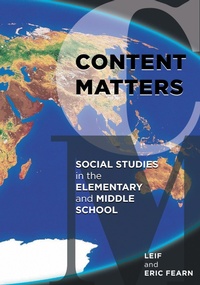
Content Matters
Social Studies in the Elementary and Middle School
1st Edition
Published on 26. June 2013
160 pages
979-8-7651-8625-1 (ISBN)
Description

A critical question in social studies education is not whether teachers develop and teach units of study, but what is in the units of study teachers develop and teach. Curricular planning and instruction must focus on what we teach in the social studies classroom.
It is not uncommon for students to experience fine units about the westward movement and exit the fifth grade with little or no geographic literacy. Most students leave middle school grades unable to name even one person who made a difference in the history of Indian people in the United States. After three to five years of history classes, high school students routinely self-report that history is boring. And it is the rare middle school graduate who knows how to use a free enterprise economy for his or her benefit.
This book explains the content of nine areas in social studies. If teachers know what history, biographical studies, and the United States Constitution mean for instruction, they can increase the probability of better-focused content in their social studies instruction.
It is not uncommon for students to experience fine units about the westward movement and exit the fifth grade with little or no geographic literacy. Most students leave middle school grades unable to name even one person who made a difference in the history of Indian people in the United States. After three to five years of history classes, high school students routinely self-report that history is boring. And it is the rare middle school graduate who knows how to use a free enterprise economy for his or her benefit.
This book explains the content of nine areas in social studies. If teachers know what history, biographical studies, and the United States Constitution mean for instruction, they can increase the probability of better-focused content in their social studies instruction.
More details
Edition
1. Auflage
Language
English
Place of publication
United States
Publishing group
Bloomsbury Publishing Plc
Illustrations
2 maps; 29 tables
ISBN-13
979-8-7651-8625-1 (9798765186251)
Copyright in bibliographic data and cover images is held by Nielsen Book Services Limited or by the publishers or by their respective licensors: all rights reserved.
Schweitzer Classification
Other editions
Additional editions
Book
06/2013
Rowman & Littlefield Publishers
€58.60
Shipment within 3-4 weeks
Persons
Leif Fearn began his career as a sixth grade teacher. After a decade in teaching and educational management, he joined the university faculty where he served in the departments of teacher education and special education.
Eric Fearn began his career in Mexico and moved to the elementary grades, then middle school in California. He teaches Spanish immersion history and literature at the middle school level.
Eric Fearn began his career in Mexico and moved to the elementary grades, then middle school in California. He teaches Spanish immersion history and literature at the middle school level.
Content
Acknowledgments
Introduction
References
Chapter One: Biographical Studies: People of Note
The Content for Teaching Biographical Studies
Applications to the Classroom
References
Chapter Two: History: The United States and the World
The Content for Teaching History
Two Kinds of History
Three Belief Systems About Teaching History
History as Scale
Applications to the Classroom
References
Chapter Three: World Religions: Monday School, Not Sunday School
The Content for Teaching World Religions
History and World Religions
Hinduism
Buddhism
Christianity
Judaism
Islam
Geography and World Religions
Biographies and World Religions
Applications to the Classroom
References
Chapter Four: The United States Constitution: The Nation's Scripture?
The Content for Teaching the United States Constitution
Control of Factions
Representation
Individual Freedom
Taxation
Military
What K-8 Teachers Must Know and Understand
Constitution Simulations
The Structure of the United States Constitution
Applications to the Classroom
References
Chapter Five: The Declaration of Independence: Making the Argument
The Story of the Declaration of Independence
The Content for Teaching the Declaration of Independence
Story Grammar and the Declaration of Independence
Annotating the Declaration of Independence
Applications to the Classroom
References
Chapter Six: Personal Finance: Equity and Economic Justice
The Content for Teaching Personal Finance
The Money Game
How Do Children Get Money?
The Relationship Between 7 and 10
Inflation
Social Security
Gross vs. Net Income
What Does Enough Mean?
What Do We Teach Children About Personal Finance?
Applications to the Classroom
A Resource
Chapter 7: Geography Matters: How We Know Who and Where We Are
The Content for Teaching Geography
Geography Themes
A Change in Perspective: What Do Geographers Do?
Applications to the Classroom
References
Chapter Eight: Native Peoples: It's About Now!
The Content for Teaching About Native Peoples
Basic Principles for Instruction About Native Peoples
The Right To Be Wrong
Separate Nation Status
Native Peoples and Social Studies Content
Applications to the Classroom
References
Chapter Nine: Media Literacy: Radio, Television, and Print Media as Social Studies
Text
The Content for Teaching Media Literacy
Media Literacy
Liberal Media
Conservative Media
Libertarian Media
Independent Media
Noncommercial or Public Media
Bias and What It Means in the Media
Creative and Critical Thinking and a Media Literacy Matrix
Applications to the Classroom
References
Chapter Ten: Writing in the Social Studies
Thinking and Writing in Paragraphs
Arranging Sentences
Paragraph Sentence Cards
Paragraph Completion
Writing Extended Discourse
Read-Write-Share
Summarizing
Describing
Comparing and Contrasting
Response to Reading
Essays That Share Opinions with an Persuade Readers
Reports of Information
Sentences and Word Study
References
Introduction
References
Chapter One: Biographical Studies: People of Note
The Content for Teaching Biographical Studies
Applications to the Classroom
References
Chapter Two: History: The United States and the World
The Content for Teaching History
Two Kinds of History
Three Belief Systems About Teaching History
History as Scale
Applications to the Classroom
References
Chapter Three: World Religions: Monday School, Not Sunday School
The Content for Teaching World Religions
History and World Religions
Hinduism
Buddhism
Christianity
Judaism
Islam
Geography and World Religions
Biographies and World Religions
Applications to the Classroom
References
Chapter Four: The United States Constitution: The Nation's Scripture?
The Content for Teaching the United States Constitution
Control of Factions
Representation
Individual Freedom
Taxation
Military
What K-8 Teachers Must Know and Understand
Constitution Simulations
The Structure of the United States Constitution
Applications to the Classroom
References
Chapter Five: The Declaration of Independence: Making the Argument
The Story of the Declaration of Independence
The Content for Teaching the Declaration of Independence
Story Grammar and the Declaration of Independence
Annotating the Declaration of Independence
Applications to the Classroom
References
Chapter Six: Personal Finance: Equity and Economic Justice
The Content for Teaching Personal Finance
The Money Game
How Do Children Get Money?
The Relationship Between 7 and 10
Inflation
Social Security
Gross vs. Net Income
What Does Enough Mean?
What Do We Teach Children About Personal Finance?
Applications to the Classroom
A Resource
Chapter 7: Geography Matters: How We Know Who and Where We Are
The Content for Teaching Geography
Geography Themes
A Change in Perspective: What Do Geographers Do?
Applications to the Classroom
References
Chapter Eight: Native Peoples: It's About Now!
The Content for Teaching About Native Peoples
Basic Principles for Instruction About Native Peoples
The Right To Be Wrong
Separate Nation Status
Native Peoples and Social Studies Content
Applications to the Classroom
References
Chapter Nine: Media Literacy: Radio, Television, and Print Media as Social Studies
Text
The Content for Teaching Media Literacy
Media Literacy
Liberal Media
Conservative Media
Libertarian Media
Independent Media
Noncommercial or Public Media
Bias and What It Means in the Media
Creative and Critical Thinking and a Media Literacy Matrix
Applications to the Classroom
References
Chapter Ten: Writing in the Social Studies
Thinking and Writing in Paragraphs
Arranging Sentences
Paragraph Sentence Cards
Paragraph Completion
Writing Extended Discourse
Read-Write-Share
Summarizing
Describing
Comparing and Contrasting
Response to Reading
Essays That Share Opinions with an Persuade Readers
Reports of Information
Sentences and Word Study
References
