

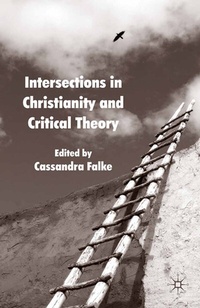
Intersections in Christianity and Critical Theory
1st Edition
Published on 27. October 2010
XII, 196 pages
978-0-230-29468-4 (ISBN)
Description

Dealing with the historical and thematic intersections of Christianity and critical theory, this collection brings together a diversity of specialist scholars in the area. Building on recent discourses in theology as well as their knowledge of hermeneutic and critical traditions, they examine major themes in contemporary critical theory.
Reviews / Votes
'This book is a timely and much-needed intervention in the study of Christian theology and critical theory. It represents the best of Christian reflection on contemporary movements in critical theory, as well as on the roots of the discipline itself in theological tradition. The contributors analyse ethical criticism, animal rights discourse, queer theory, postfeminism, and the 'return to religion' of Badiou and i ek, among others, in the light of Christian theology, and suggest new ways of reading literary and cultural texts on the basis of these exchanges. Essential reading for scholars of contemporary culture, theory and religion.'
- Luke Ferretter, Assistant Professor of English, Baylor University, USA
More details
Series
Language
English
Place of publication
London
United Kingdom
Publishing group
Palgrave Macmillan UK
Target group
Professional and scholarly
Product notice
Reflowable
Illustrations
XII, 196 p.
File size
1,30 MB
ISBN-13
978-0-230-29468-4 (9780230294684)
DOI
10.1057/9780230294684
Schweitzer Classification
Other editions
Additional editions
Cassandra Falke
Intersections in Christianity and Critical Theory
Book
10/2010
Palgrave Macmillan
€53.49
Shipment within 15-20 days
Cassandra Falke
Intersections in Christianity and Critical Theory
Book
10/2010
Palgrave Macmillan
€53.49
Shipment within 15-20 days
Person
MARTHA DIEDE Associate Professor of English, Northwest University in Kirkland, Washington, USA
MITCHELL M. HARRIS Assistant Professor of English, Augustana College, USA
KEVIN HART Edwin B. Kyle Professor of Christian Studies, University of Virginia, USA
NORMAN JONES Associate Professor of English, Ohio State University, USA
THOMAS LEDERER Independent Scholar
JESSICA LYNICE HOOTEN Assistant Professor, University of Mary Hardin-Baylor, USA
MIKE MATTEK Assistant Professor of English, University of Wisconsin, USA
ANDREW NG Senior Lecturer in Literary Studies, Monash University, Malaysia
ISIL OZCAN Research Assistant, Dokuz Eylul University, Izmir, Turkey
STEPHEN PRICKETT Fellow of the Australian Academy of the Humanities, Australia
PHILIP SAMPSON Independent Scholar
Content
Introduction; C.Falke PART I Reading Theologically: Reduction and Reductio ; K.Hart After Theory, After Modernity; J.Hooten An Ache in the Missing Limb: Biblical Origins of English Literary Criticism; S.Prickett Good Reading: The Ethics of Christian Literary Theory; C.Falke Sites of Resistance: Christ and Materiality after the New Historicism; M.M.Harris Post-Secular Queer: Christianity, Queer Theory and the Unsolvable Mysteries of Sexual Desire; N.Jones Part II Dil Ulenspiegel: The Inverted Gospel and an Early Modern Clown; T.Lederer Take and Eat: Eve, Mary, and Feminist Christianity; M.Diede Humans, Animals and Others; P.Sampson Theologizing Horror: Spirituality and the Gothic; A.Ng The Secular Dream of a Christian Utopia: Tracing Puritanism in American Studies; I.Özcan Heaven Came Down: Deconstruction, Christianity, and George Herbert's The Collar ; M.Mattek Endnotes References Index
