

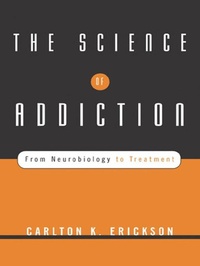
The Science of Addiction
From Neurobiology to Treatment
1st Edition
Published on 31. August 2010
312 pages
978-0-393-07622-6 (ISBN)
Description

Runner-up winner of the Hamilton Book Author Award, this book is a comprehensive overview of the neurobiology behind addictions.
Neuroscience is clarifying the causes of compulsive alcohol and drug use--while also shedding light on what addiction is, what it is not, and how it can best be treated--in exciting and innovative ways. Current neurobiological research complements and enhances the approaches to addiction traditionally taken in social work and psychology. However, this important research is generally not presented in a forthright, jargon-free way that clearly illustrates its relevance to addiction professionals.The Science of Addiction presents a comprehensive overview of the roles that brain function and genetics play in addiction. It explains in an easy-to-understand way changes in the terminology and characterization of addiction that are emerging based upon new neurobiological research. The author goes on to describe the neuroanatomy and function of brain reward sites, and the genetics of alcohol and other drug dependence. Chapters on the basic pharmacology of stimulants and depressants, alcohol, and other drugs illustrate the specific and unique ways in which the brain and the central nervous system interact with, and are affected by, each of these substances
Erickson discusses current and emerging treatments for chemical dependence, and how neuroscience helps us understand the way they work. The intent is to encourage an understanding of the body-mind connection. The busy clinical practitioner will find the chapter on how to read and interpret new research findings on the neurobiological basis of addiction useful and illuminating.
This book will help the almost 21.6 million Americans, and millions more worldwide, who abuse or are dependent on drugs by teaching their caregivers (or them) about the latest addiction science research. It is also intended to help addiction professionals understand the foundations and applications of neuroscience, so that they will be able to better empathize with their patients and apply the science to principles of treatment.
More details
Other editions
New editions
E-Book
03/2018
2nd Edition
W. W. Norton & Company
€36.99
Available for download
Additional editions
Book
03/2007
WW Norton & Co
€49.71
Article exhausted; check different version
Person
Carlton K. Erickson, Ph.D. is a distinguished Professor of Pharmacology/Toxicology, Associate Dean for Research and Graduate Studies, Director of the Addiction Science Research and Education Center in the College of Pharmacy at the University of Texas at Austin, and an associate editor of the scientific journal Alcoholism: Clinical and Experimental Research. He is the recipient of the Nelson J. Bradley Award for Lifetime Achievement, given by the National Association of Addiction Treatment Providers (NAATP).
Content
- Intro
- Title Page
- Copyright
- Dedication
- Contents
- Abbreviations
- Preface
- Acknowledgments
- Chapter 1. Terminology and Characterization of "Addiction"
- Chapter 2. Basics of Brain Science
- Chapter 3. Anatomy and Neurobiology of Chemical Dependence
- Chapter 4. The Genetics of Chemical Dependence
- Chapter 5. Stimulants and Depressants
- Chapter 6. Alcohol
- Chapter 7. Other Drugs
- Chapter 8. Dependence Disease Treatment
- Chapter 9. The Power and Limitations of Addiction Research
- Chapter 10. Evidence-Based Research for the Future
- Appendix A: Alcohol Concepts Affecting Neurobiology and Treatment
- Appendix B: Drug Concepts Affecting Neurobiology and Treatment
- Glossary
- References
