

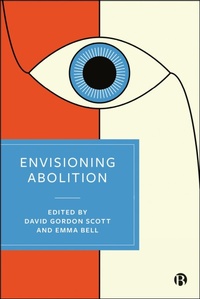
Envisioning Abolition
Socialism, Anarchism and Penal Abolitionism in the Nineteenth and Early Twentieth centuries
Bristol University Press
1st Edition
Published on 19. March 2025
360 pages
978-1-5292-3479-4 (ISBN)
Description

Abolitionist thought visualizes a world without prisons - or a radical reduction or transformation of prisons and punishment. This fascinating book explores the abolitionist ideas of key early socialists and anarchists, writing from the late 18th to the early 20th centuries. It considers how these radical thinkers can provide insights into our present condition, both by highlighting the harms of punishment and by pointing to inspiring alternatives to current policy and practice.
By examining their calls for the ending of legal coercion, domination and repression, the book shows how the ideas of early socialists and anarchists can assist those engaging in emancipatory struggles against penal and social injustice today.
By examining their calls for the ending of legal coercion, domination and repression, the book shows how the ideas of early socialists and anarchists can assist those engaging in emancipatory struggles against penal and social injustice today.
Reviews / Votes
'At a moment in which the powers of state punishment are expanding through both familiar and newfound techniques, Envisioning Abolition and Abolitionist Voices make timely and thought-provoking interventions.' Radical Philosophy'This bold, authoritative and engaging collection has rich potential to inform and reanimate current debates on prison abolition. It can serve as an important source of inspiration for contemporary abolitionists.' Andrew M. Jefferson, DIGNITY - Danish Institute Against Torture 'While more and more people have joined the struggle to abolish cops, courts and cages in recent years, early contributions to penal abolitionist thought and praxis have often been ignored. Envisioning Abolition offers a window into the origins of penal abolitionism that ought to be taken up more readily in contemporary efforts to end imprisonment and punitive injustice.' Justin Piche, University of Ottawa and co-author of How to Abolish Prisons: Lessons from the Movement Against Imprisonment 'Envisioning Abolition traces a long history of abolitionism in the work of its inspiring advocates. Scott and Bell's collection is a timely reminder of the persistence of abolitionist traditions, their nuance, complexity and pertinence.' Ruth Kinna, Loughborough University
More details
Edition
First Edition
Language
English
Place of publication
Bristol
United Kingdom
Target group
College/higher education
Illustrations
1 s/w Abbildung
1 Illustrations, black and white
ISBN-13
978-1-5292-3479-4 (9781529234794)
Copyright in bibliographic data and cover images is held by Nielsen Book Services Limited or by the publishers or by their respective licensors: all rights reserved.
Schweitzer Classification
Other editions
Additional editions
Book
approx. 03/2026
1st Edition
Bristol University Press
€42.50
Not yet published
Envisioning Abolition
Socialism, Anarchism and Penal Abolitionism in the Nineteenth and Early Twentieth centuries
Book
03/2025
1st Edition
Bristol University Press
€145.50
Shipment within 3-4 weeks
Persons
David Gordon Scott works at The Open University and is Co-Founding Editor of the journal Justice, Power and Resistance.
Emma Bell is Professor of Professor of Contemporary British Politics at the University of Savoie Mont Blanc and is Co-Founding Editor of the journal Justice, Power and Resistance.
Emma Bell is Professor of Professor of Contemporary British Politics at the University of Savoie Mont Blanc and is Co-Founding Editor of the journal Justice, Power and Resistance.
Content
1. Abolitionism in Red and Black - Emma Bell and David Gordon Scott
2. The Abolitionist Ideas of William Godwin in the Late 18th Century - Ruby Tuke
3. Robert Owen and the Owenites: Abolitionist Ideas in the Early British Socialist Movement - Ophelie Simeon
4. 'Do What is Right, and Let Come What May': Tolstoy and Penal Abolition - Andrei Zorin
5. Arthur St John: Tolstoyan Abolitionism in Practice - Peter Cox and Paul Taylor
6. Edward Carpenter's Realist Utopian and Contingent Abolitionism - Jonathan Baldwin
7. William Morris' Utopian Case for Prison Abolition - Owen Holland
8. Beyond Sanction: Jean-Marie Guyau Between Penal Abolition and Social Defence - Federico Testa
9. Pyotr Kropotkin: Foundations of Anarchist Prison Abolition - Robert D. Weide
10. Anarchism and the Abolition of the Criminal Justice System: The Struggle for the Discourse on Evolution and Social Order in Spain - Alejandro Forero Cuellar
11. Fear or Freedom? Errico Malatesta on Crime and Punishment - Davide Turcato
12. Envisioning a New Society: Pietro Gori and the Problem of Criminal Justice - Marco Manfredi
13. 'Cemeteries of the Living Dead': Eugene V. Debs, Prison Abolitionist - Lisa Phillips
14. Altgeld's Protege: Clarence Darrow and the Abolition of Prisons and Capital Punishment in the United States
- Andrew E. Kersten
15. Emma Goldman: The Making of a Prison Abolitionist - Penny A. Weiss
16. Seeing Through the Game: Alexander Berkman and the Modern Prison Abolition Movement - Soren H. Hough
2. The Abolitionist Ideas of William Godwin in the Late 18th Century - Ruby Tuke
3. Robert Owen and the Owenites: Abolitionist Ideas in the Early British Socialist Movement - Ophelie Simeon
4. 'Do What is Right, and Let Come What May': Tolstoy and Penal Abolition - Andrei Zorin
5. Arthur St John: Tolstoyan Abolitionism in Practice - Peter Cox and Paul Taylor
6. Edward Carpenter's Realist Utopian and Contingent Abolitionism - Jonathan Baldwin
7. William Morris' Utopian Case for Prison Abolition - Owen Holland
8. Beyond Sanction: Jean-Marie Guyau Between Penal Abolition and Social Defence - Federico Testa
9. Pyotr Kropotkin: Foundations of Anarchist Prison Abolition - Robert D. Weide
10. Anarchism and the Abolition of the Criminal Justice System: The Struggle for the Discourse on Evolution and Social Order in Spain - Alejandro Forero Cuellar
11. Fear or Freedom? Errico Malatesta on Crime and Punishment - Davide Turcato
12. Envisioning a New Society: Pietro Gori and the Problem of Criminal Justice - Marco Manfredi
13. 'Cemeteries of the Living Dead': Eugene V. Debs, Prison Abolitionist - Lisa Phillips
14. Altgeld's Protege: Clarence Darrow and the Abolition of Prisons and Capital Punishment in the United States
- Andrew E. Kersten
15. Emma Goldman: The Making of a Prison Abolitionist - Penny A. Weiss
16. Seeing Through the Game: Alexander Berkman and the Modern Prison Abolition Movement - Soren H. Hough
