

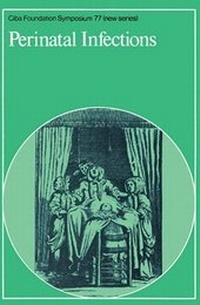
Perinatal Infections
Published on 14. September 2009
384 pages
978-0-470-71828-5 (ISBN)
Description

The Novartis Foundation Series is a popular collection of the proceedings from Novartis Foundation Symposia, in which groups of leading scientists from a range of topics across biology, chemistry and medicine assembled to present papers and discuss results. The Novartis Foundation, originally known as the Ciba Foundation, is well known to scientists and clinicians around the world.
More details
Other editions
Additional editions
Ciba Foundation
Ciba Foundation Symposium 77 - Perinatal Infections
Software
05/2008
Wiley
€82.61
No shipping information available

Ciba Foundation
Ciba Foundation Symposium 77 - Perinatal Infections
Book
12/1980
Wiley
Unfortunately, price unknown
Withdrawn from sale
Persons
Katherine Elliott is the editor of Perinatal Infections, published by Wiley.
Maeve O'Connor is the editor of Perinatal Infections, published by Wiley.
Content
1 - Perinatal infections [Seite 5]
1.1 - Contents [Seite 7]
1.1.1 - Chairman's introduction [Seite 15]
1.1.2 - Factors in the mother/infant dyad that influence the development of infections before and after birth [Seite 17]
1.1.2.1 - Discussion [Seite 27]
1.1.3 - Pathology of the placenta and cord in ascending and in haematogenous infection [Seite 31]
1.1.3.1 - Discussion [Seite 27]
1.1.4 - The genesis of amniotic fluid infections [Seite 53]
1.1.4.1 - Discussion [Seite 63]
1.1.5 - Consequences of amniotic fluid infection: early neonatal septicaemia [Seite 69]
1.1.5.1 - Discussion [Seite 76]
1.1.6 - Perinatal implications of the lower genital tract flora [Seite 83]
1.1.6.1 - Discussion [Seite 95]
1.1.7 - Neonatal group B streptococcal infection [Seite 99]
1.1.7.1 - Discussion [Seite 110]
1.1.8 - Escherichia coli and group B streptococcal infections in experimental animals [Seite 117]
1.1.8.1 - Discussion [Seite 128]
1.1.9 - General discussion I [Seite 133]
1.1.9.1 - Rupture of the membranes in labour [Seite 133]
1.1.9.2 - Maternal and fetal defences against infection [Seite 134]
1.1.9.3 - Trace metals and antimicrobial activity [Seite 135]
1.1.9.4 - Posture and labour [Seite 136]
1.1.10 - Natural history of perinatal cytomegaloviral infection [Seite 139]
1.1.10.1 - Discussion [Seite 155]
1.1.11 - The effects of parasitic infections in pregnant women [Seite 163]
1.1.11.1 - Discussion [Seite 177]
1.1.12 - Prevalence of maternal and neonatal infections in a developing country: possible low-cost preventive measures [Seite 185]
1.1.12.1 - Discussion [Seite 198]
1.1.13 - The secretory IgA system in the neonatal period [Seite 201]
1.1.13.1 - Discussion [Seite 210]
1.1.14 - General discussion II [Seite 219]
1.1.14.1 - Contrasts between developing and developed countries [Seite 219]
1.1.15 - Perinatal infections: the obstetrician's viewpoint [Seite 229]
1.1.15.1 - Discussion [Seite 237]
1.1.16 - Infections in neonatal units: prevention is better than cure [Seite 243]
1.1.16.1 - Discussion [Seite 254]
1.1.17 - Perinatal infections: prevention of long-term sequelae [Seite 229]
1.1.17.1 - Discussion [Seite 237]
1.1.18 - Final general discussion [Seite 275]
1.1.18.1 - Infection and the maternal environment [Seite 275]
1.1.18.2 - Mechanisms of infection or inflammation [Seite 277]
1.1.18.3 - Colonization and infection [Seite 281]
1.1.18.4 - Necrotizing enterocolitis [Seite 283]
1.1.18.5 - Human breast milk [Seite 285]
1.1.18.6 - Risks and benefits of monitoring the fetus [Seite 288]
1.1.18.7 - Nutrition and fetal infection [Seite 291]
1.1.19 - Chairman's closing remarks [Seite 295]
1.1.20 - Index of contributors [Seite 297]
1.1.21 - Subject index [Seite 299]
1.1 - Contents [Seite 7]
1.1.1 - Chairman's introduction [Seite 15]
1.1.2 - Factors in the mother/infant dyad that influence the development of infections before and after birth [Seite 17]
1.1.2.1 - Discussion [Seite 27]
1.1.3 - Pathology of the placenta and cord in ascending and in haematogenous infection [Seite 31]
1.1.3.1 - Discussion [Seite 27]
1.1.4 - The genesis of amniotic fluid infections [Seite 53]
1.1.4.1 - Discussion [Seite 63]
1.1.5 - Consequences of amniotic fluid infection: early neonatal septicaemia [Seite 69]
1.1.5.1 - Discussion [Seite 76]
1.1.6 - Perinatal implications of the lower genital tract flora [Seite 83]
1.1.6.1 - Discussion [Seite 95]
1.1.7 - Neonatal group B streptococcal infection [Seite 99]
1.1.7.1 - Discussion [Seite 110]
1.1.8 - Escherichia coli and group B streptococcal infections in experimental animals [Seite 117]
1.1.8.1 - Discussion [Seite 128]
1.1.9 - General discussion I [Seite 133]
1.1.9.1 - Rupture of the membranes in labour [Seite 133]
1.1.9.2 - Maternal and fetal defences against infection [Seite 134]
1.1.9.3 - Trace metals and antimicrobial activity [Seite 135]
1.1.9.4 - Posture and labour [Seite 136]
1.1.10 - Natural history of perinatal cytomegaloviral infection [Seite 139]
1.1.10.1 - Discussion [Seite 155]
1.1.11 - The effects of parasitic infections in pregnant women [Seite 163]
1.1.11.1 - Discussion [Seite 177]
1.1.12 - Prevalence of maternal and neonatal infections in a developing country: possible low-cost preventive measures [Seite 185]
1.1.12.1 - Discussion [Seite 198]
1.1.13 - The secretory IgA system in the neonatal period [Seite 201]
1.1.13.1 - Discussion [Seite 210]
1.1.14 - General discussion II [Seite 219]
1.1.14.1 - Contrasts between developing and developed countries [Seite 219]
1.1.15 - Perinatal infections: the obstetrician's viewpoint [Seite 229]
1.1.15.1 - Discussion [Seite 237]
1.1.16 - Infections in neonatal units: prevention is better than cure [Seite 243]
1.1.16.1 - Discussion [Seite 254]
1.1.17 - Perinatal infections: prevention of long-term sequelae [Seite 229]
1.1.17.1 - Discussion [Seite 237]
1.1.18 - Final general discussion [Seite 275]
1.1.18.1 - Infection and the maternal environment [Seite 275]
1.1.18.2 - Mechanisms of infection or inflammation [Seite 277]
1.1.18.3 - Colonization and infection [Seite 281]
1.1.18.4 - Necrotizing enterocolitis [Seite 283]
1.1.18.5 - Human breast milk [Seite 285]
1.1.18.6 - Risks and benefits of monitoring the fetus [Seite 288]
1.1.18.7 - Nutrition and fetal infection [Seite 291]
1.1.19 - Chairman's closing remarks [Seite 295]
1.1.20 - Index of contributors [Seite 297]
1.1.21 - Subject index [Seite 299]
