

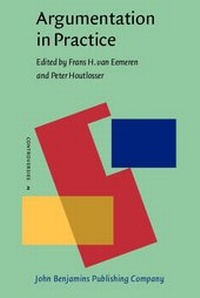
Argumentation in Practice
1st Edition
Published on 22. September 2005
VIII, 368 pages
978-90-272-9424-1 (ISBN)
Description

Since the late 1950s the study of argumentation has developed from a marginal part of logic and rhetoric into a genuine interdisciplinary academic discipline. After having first been primarily concerned with creating an adequate philosophical perspective on argumentation, argumentation theorists have gradually shifted their focus of attention to a more immediate concern with the ins and outs of argumentative praxis. What exactly are the characteristics of situated argumentative discourse in different argumentative 'action types'? How is the discourse influenced by institutional and contextual constraints? In what way can prominent cases of argumentative discourse be fruitfully analysed? Argumentation in Practice aims to provide insight into some important facets of argumentative praxis and the different ways in which it can be approached. The first part of this volume, 'Conceptions of problems in argumentative practice', introduces useful theoretical perspectives. The second part, 'Empirical studies of argumentative practice', contains both empirical studies of a general kind and several types of specific case studies.
More details
Other editions
Additional editions
Frans H. van Eemeren | Peter Houtlosser
Argumentation in Practice
Book
09/2005
John Benjamins Publishing Co
€132.50
Shipment within 10-15 days
Persons
Content
- Argumentation in Practice
- Editorial page
- Title page
- LCC data
- Table of contents
- Introduction
- 1. Studying argumentative practice
- 2. Forms and conceptions of argumentation
- 3. Empirical studies of argumentative practice
- Notes
- References
- Forms and conceptions of argumentation
- ``The issue'' in argumentation practice and theory
- 1. Introduction
- 2. The issue as a theoretical construct
- 3. Classroom discussions
- 4. Public participation at school board meetings
- 4.1. ``Barbiegate''
- 4.2. Pragmatic uses of the issue in public participation discourse
- 5. Normative reflection: Reconstructing interactional problems and situated ideals
- Note
- References
- Hearing is believing
- 1. The three perspectives
- 2. A lesson from Whately
- 3. Bad process
- 4. A perspectival taxonomy
- 5. Conclusion
- Notes
- References
- Let's talk
- 1. Introduction
- 2. Confrontation
- 3. The opening stage
- 4. The argumentation stage
- 5. Resolution
- 6. Conclusions
- References
- Indicators of dissociation
- 1. Introduction
- 2. The notion of dissociation
- 3. How dissociation manifests itself
- 3.1. Separation
- 3.2. Negation
- 3.3. Value
- 4. Conclusion
- Notes
- References
- A collaborative model of argumentation in dyadic problem-solving interactions
- 1. Introduction
- 2. A collaborative model of argumentation in dyadic problem-solving interactions
- 3. Corpus sample 1: A chat interaction analysis
- 4. A graphical representation of dialogical argumentation
- 5. Corpus sample 2: A graphical argumentative interaction
- 6. Discussion
- 7. Conclusions
- Notes
- References
- The argumentative dimension of discourse
- 1. The scope and limits of argumentation
- 2. The argumentative dimension of discourse: Case studies
- 2.1. The case of war testimony
- 2.2. The case of literary narrative
- 3. Conclusions
- Note
- References
- Designing premises
- 1. Introduction
- 2. Premise design in a forensic setting
- 3. Premise design in a deliberative setting
- 4. Conclusion
- References
- On the pragmatics of argumentative discourse
- References
- From argument analysis to cultural keywords (and back again)
- 1. Introduction
- 2. Keywords and cultural keywords
- 3. Corpora, ``discourse'' and argumentation
- 4. Keywords and topoi in the enthymematic structure of natural language arguments
- 5. Reshaping meaning: Reason as a keyword in Milton's Areopagitica
- 6. Conclusions
- Notes
- References
- Sources of examples
- Empirical studies of argumentative practice
- The accusation of amalgame as a meta-argumentative refutation
- 1. The French word amalgame
- 2. Qualifying an argumentation as amalgame is a way of rejecting it as unacceptable
- 3. Other expressions used for accusing someone of making an amalgame
- 4. What does the accusation of amalgame refer to?
- 4.1. An association of two objects x and y on the basis of properties which are presented as shared and conclusive
- 4.2. The connection between two objects x and y because of a relationship of dependence between them
- 5. Difficulties in identifying what the accusation of amalgame is about
- 6. The accusation of amalgame's ``semantic emptying''
- 7. Conclusion
- References
- Constructing the (imagined) antagonist in advertising argumentation
- 1. Introduction: The problem of the imagined antagonist
- 2. Advertising discourse
- 2.1. Advertising as an argumentative genre
- 3. Categorising the addressee
- 3.1. Inclusion/exclusion
- 3.2. Implicit and explicit inclusion
- 3.3. The function of the types
- 3.4. The `unacknowledged audience'
- 3.5. Multi-layered applications of the binary
- 4. Extended example
- 5. Conclusion
- Notes
- References
- Competing demands, multiple ideals, and the structure of argumentation practices
- 1. Televised town hall meetings
- 2. The Simpson verdict controversy as public argument
- 3. Analytical strategy
- 4. Analysis of the town meeting structure and argumentation
- 4.1. Reliance on experts as the voice of the people
- 4.2. Undeveloped standpoints
- 5. Conclusions: Competing idealizations of participation in public deliberation
- References
- Arguments of victims
- 1. Origin and history of victims' arguments
- 2. The genre of victim impact arguments
- Themes
- Stylistics
- Speech plans
- 3. Implications
- References
- Coductive and abductive foundations for sentimental arguments in politics
- 1. Abductive and coductive inference
- 2. The 2000 Republican and Democratic Party national conventions
- 2.1. The Etheridge patriotic montage
- 2.2. The Republican video on education
- 3. Abduction, coduction, sentimentality, and political argumentation
- Note
- References
- Appendix A
- Lyrics for the Music from the 2000 National Political Conventions (C-Span, 2000
- videos available on Gronbeck, 2001)
- My Place in This World, Music Performed by Michael W. Smith [1991]
- Reparations or separation?
- 1. ``Be true to what you put on paper'': McPhail's coherence and the rhetoric of racism
- 2. Of judgments true and righteous altogether: Farrell's coherence and the ethics of rhetoric
- 3. Rhetoric, reparations, or resignation: The hope(lessness) that race creates
- References
- Discursive collisions
- Notes
- References
- Aesthetic arguments and civil society
- 1. The Guildford Four: Art intersects history
- 2. The argument for conditions of war
- 3. Debating history through art
- 4. Conclusion
- Notes
- References
- The use of arguments from perceived opposition in U.S. terrorism policy
- 1. Arguments from perceived opposition
- 2. The Carter administration
- 3. The Reagan administration
- 4. The Bush administration
- 5. Implications
- References
- How could official speakers communicate reasonably with their king?
- 1. Introduction
- 2. Historical background
- 2.1. Argumentative discourse in the public sphere of the early Joseon dynasty
- 2.2. The consensus system of sadaebu
- 3. Case analysis
- 3.1. Situational frame of the case
- 3.2. Phase movement of participants
- 4. Discussion
- Datum: Saheonbu's prime official Yi Chik and the others' sangso
- Notes
- References
- Argument density and argument diversity in the license applications of French provincial printers, 1669-1781
- The data
- Argumentation theory
- A first look at the data
- Looking more closely at qualification arguments (Table C)
- Family factor arguments (Table D)
- Some conclusions
- Notes
- References
- Inventional capacity
- 1. Theoretical background
- 2. The empirical record to date
- 2.1. Operationalization
- 2.2. The nature of the individual difference
- 2.3. Situation
- 2.4. The nature of the repertoires
- 3. Conclusions
- References
- The conventional validity of the pragma-dialectical freedom rule
- 1. Introduction
- 2. Conventional validity and violations of the freedom rule
- 3. Judgments on fallacies and non-fallacies
- 4. Judgments on different types of fallacies
- 5. Politeness as an alternative explanation
- 6. The type of proposition expressed in the standpoint as an alternative explanation
- 7. The freedom rule and the `polder' debate
- 8. Conclusions
- Notes
- References
- Index
- the series Controversies
