

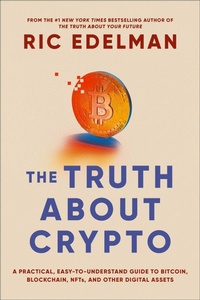
The Truth About Crypto
A Practical, Easy-to-Understand Guide to Bitcoin, Blockchain, NFTs, and Other Digital Assets
Published on 10. May 2022
400 pages
978-1-6680-0234-6 (ISBN)
Description

A TOP FINANCE BOOK OF 2022 by THE NEXT BIG IDEA CLUB
A SABEW BEST IN BUSINESS BOOK AWARDS FINALIST
A straightforward, practical guide to the newest frontier in investment strategy?crypto?from #1 New York Times bestselling author and personal finance expert Ric Edelman.
Blockchain and bitcoin are here to stay?and as the Bank of England stated, this new technology could "transform the global financial system." No wonder PWC says blockchain technology will add $2 trillion to the world's $80 trillion economy by 2030. Indeed, blockchain technology and the digital assets it makes possible are revolutionary, the most profound innovation for commerce since the invention of the internet.
And yet, the average investor?and the investment advisors who manage two-thirds of all their money?aren't aware of all this, or of the incredible investment opportunities now available. Fortunately, Ric Edelman, one of the most influential experts in the financial field, shows investors how they can engage and thrive in today's new investment marketplace.
Featuring the prophetic insights you'd expect from one of most acclaimed financial advisors, The Truth About Crypto is fun to read and easy to understand?and most importantly gives readers the sound, practical advice we all need to succeed with this new asset class. Best of all, Edelman shows how blockchain works, the difference between digital currency and digital assets, and a comprehensive look at every aspect of the field. This book is a must-read guide if you want to achieve investment success today.
A SABEW BEST IN BUSINESS BOOK AWARDS FINALIST
A straightforward, practical guide to the newest frontier in investment strategy?crypto?from #1 New York Times bestselling author and personal finance expert Ric Edelman.
Blockchain and bitcoin are here to stay?and as the Bank of England stated, this new technology could "transform the global financial system." No wonder PWC says blockchain technology will add $2 trillion to the world's $80 trillion economy by 2030. Indeed, blockchain technology and the digital assets it makes possible are revolutionary, the most profound innovation for commerce since the invention of the internet.
And yet, the average investor?and the investment advisors who manage two-thirds of all their money?aren't aware of all this, or of the incredible investment opportunities now available. Fortunately, Ric Edelman, one of the most influential experts in the financial field, shows investors how they can engage and thrive in today's new investment marketplace.
Featuring the prophetic insights you'd expect from one of most acclaimed financial advisors, The Truth About Crypto is fun to read and easy to understand?and most importantly gives readers the sound, practical advice we all need to succeed with this new asset class. Best of all, Edelman shows how blockchain works, the difference between digital currency and digital assets, and a comprehensive look at every aspect of the field. This book is a must-read guide if you want to achieve investment success today.
More details
Other editions
Additional editions
Ric Edelman
The Truth About Crypto
A Practical, Easy-to-Understand Guide to Bitcoin, Blockchain, NFTs, and Other Digital Assets
Book
07/2022
Simon & Schuster
€19.00
Shipment within 3-4 weeks
Person
Ric Edelman is among the financial profession's most influential people according to Investment Advisor, RIABiz and InvestmentNews. Barron's ranked him three times as the nation's #1 Independent Financial Advisor and he's in Research magazine's Financial Advisor Hall of Fame. Ric is founder of the Digital Assets Council of Financial Professionals and Funding Our Future Coalition and holds two patents for financial product innovation.
Ric is the industry's top financial educator, for thirty years the award-winning host of his national personal finance radio show. He's also produced award-winning specials for Public Television, and is a #1 New York Times bestselling author of ten books on personal finance. He taught personal finance for nine years at Georgetown University and is now Distinguished Lecturer at Rowan University, which named its communications school the Ric Edelman College of Communication & Creative Arts in 2020.
Ric and his wife Jean live in Northern Virginia. They are benefactors of the Edelman Center for Nursing at Inova Hospital Foundation, the Edelman Indoor Arena at Northern Virginia Therapeutic Riding Program, and Rowan University's Edelman Planetarium and Edelman Fossil Park.
Ric is the industry's top financial educator, for thirty years the award-winning host of his national personal finance radio show. He's also produced award-winning specials for Public Television, and is a #1 New York Times bestselling author of ten books on personal finance. He taught personal finance for nine years at Georgetown University and is now Distinguished Lecturer at Rowan University, which named its communications school the Ric Edelman College of Communication & Creative Arts in 2020.
Ric and his wife Jean live in Northern Virginia. They are benefactors of the Edelman Center for Nursing at Inova Hospital Foundation, the Edelman Indoor Arena at Northern Virginia Therapeutic Riding Program, and Rowan University's Edelman Planetarium and Edelman Fossil Park.
Content
- Intro
- Title Page
- Dedication
- Helpful Lists You'll Find Inside: The Investments, Products, Services, and Companies in the Blockchain and Digital Assets World
- Foreword
- Welcome
- Let's Use the Right Words
- Disclosure
- Now, You're Ready to Begin!
- Part One: Understanding the Technology
- Chapter 1: The Four Most Transformative Innovations in the History of Commerce
- Chapter 2: Why Blockchain Is So Transformative
- The Features of Blockchain
- The Benefits of Blockchain
- Consumer Purchases
- Remittances
- Corporate Financing
- Foreign Trade
- Programmable Money, aka Smart Contracts
- Micropayments
- Supply Chain Management
- Self-Sovereign Identity
- The Most Important Benefit and Use of All
- Chapter 3: How Blockchain-and Bitcoin-Came to Be
- The Problem of Double Presentment
- The Introduction of Bitcoin
- What Motivated Satoshi to Fix That Banking Problem by Inventing Bitcoin
- Chapter 4: How Blockchain Works
- Public and Private Keys
- Public vs. Private Blockchains
- Part Two: Understanding Bitcoin and Other Digital Assets
- Chapter 5: How Bitcoin Works
- Where Is Bitcoin Stored?
- How Do We Know That Data on the Nodes Are Authentic?
- Why Would Anyone Bother to Authenticate My Data?
- Mining
- Proof of Work vs. Proof of Stake
- How Many Bitcoins Will Be Created?
- Types of Wallets
- The First Known Commercial Use of Bitcoin
- Other Ways to Receive Coins
- Forks
- Airdrops
- Concerns About Bitcoin's Involvement with Illicit Activity
- Concerns About Bitcoin Mining's Impact on the Environment
- Emissions, Not Energy
- Chapter 6: Who Uses Bitcoin?
- Who Owns Bitcoin?
- Chapter 7: Why Are There So Many Coins?
- The Digital Asset Universe
- Base Layer Protocols
- Second Layer Protocols
- Financial Products and Services
- Nonfinancial Applications and Services
- Chapter 8: Are Digital Assets Money?
- What Is Money?
- Defining Money
- Defining Currency
- A Better Digital Currency Than Bitcoin
- Stablecoins
- Central Bank Digital Currencies
- The Facebook Threat
- Do CBDCs Threaten Bitcoin?
- Gold vs. Bitcoin
- Chapter 9: Tokens
- Utility Tokens
- Security Tokens
- Governance Tokens
- Non-Fungible Tokens
- Not Just a Silly Game
- Simple Agreement for Future Tokens
- Chapter 10: Decentralized Finance, aka DeFi
- Oracles
- Chapter 11: Valuation and Pricing of Bitcoin and Other Digital Assets
- Cost Approach
- Market Approach
- Discounted Cash Flow
- Market Substitute and Utility Value
- The Velocity of Money
- Network Value
- NVT Ratio
- Stock-to-Flow Ratio
- Speculative Value
- Part Three: Investing in Digital Assets
- Chapter 12: Is It Too Late to Buy Bitcoin?
- Chapter 13: The Risks of Investing in Digital Assets
- Market Manipulation
- Business and Commercial Failure
- Technological Obsolescence
- Consumer/Investor Demand
- Regulatory Intervention
- 51% Attack
- Advances in Quantum Computing
- Rogue Custodians
- Lost Passwords, Compromised Wallets, and Hijacked SIM Cards
- Fat-Fingered Trades
- Plain Ole Everyday Scams
- Chapter 14: The Risks Are the Reason for Investing in Digital Assets
- Modern Portfolio Theory
- Sharpe Ratio
- Sortino Ratio
- Standard Deviation
- Max Drawdown
- Chapter 15: How Much of Your Portfolio to Place into Digital Assets
- Ric Edelman's 1% Digital Assets Allocation Strategy
- The Right Allocation for You
- Chapter 16: Choosing the Right Digital Assets for Your Portfolio
- Mining the Coins
- Investing in the Miners
- Buying Coins and Tokens
- Digital Assets Exchanges
- Choosing an Exchange
- Custodians
- IRA Custodians
- Yield Farming
- Buying Stocks of Companies That Own Coins and Tokens
- Taking the "Picks & Shovels" Route
- Making Bets via Derivatives
- Buying Coins, Tokens, Picks & Shovels, Companies, and Derivatives Indirectly
- Exchange-Traded Notes
- OTC Trusts
- Separately Managed Accounts
- Turnkey Asset Management Programs
- Venture Capital, Hedge Funds, and Funds of Funds
- Chapter 17: How to Manage Your Portfolio's Digital Assets
- Buy-and-Hold vs. Market Timing
- Reducing Risk via Dollar Cost Averaging
- Reducing Risk by Rebalancing
- Part Four: Regulation, Taxation, and Compliance
- Chapter 18: How Digital Assets Are Regulated
- How Crypto Is Regulated Around the World
- Asia
- Middle East
- Europe
- Africa
- North America
- Central America
- South America
- Chapter 19: Are Digital Assets Securities?
- Chapter 20: How Digital Assets Are Taxed
- Preface
- Let's Use the Right Words
- Introduction
- Acquiring Digital Assets
- Purchasing
- Receiving Digital Assets as Payment for Wages or Services
- Receiving Digital Assets in Exchange for Property
- Receiving Digital Assets as Payment for Money Owed to You
- Receiving Digital Assets as a Rebate When Using a Debit or Credit Card
- Learn to Earn
- Gifts Received
- Inheritance
- Unusual Ways to Acquire Digital Assets
- Holding Digital Assets
- Borrowing
- Collateral
- Tax Treatment of Loans
- Ownership of Certain Trusts
- Disposing of Digital Assets
- Converting One Digital Asset into Another
- Using Digital Assets as Payment for Goods and Services
- Gifts
- Donations
- FIFO, LIFO, and HIFO
- Like-Kind Exchanges
- The Wash-Sale Rule
- Taxation of NFTs
- What's a Collectible?
- If You Own a Business and Pay for Services with Digital Assets
- Chapter 21: Operations and Compliance
- Disclosures
- Valuations
- SMAs
- ADV, Part 1, Item 5.G.7
- ADV, Part 1, Item 8A
- ADV, Part 1, Item 8C
- ADV, Part 1, Schedule D, Section 5K
- ADV, Part 2A
- ADV, Part 2, Item 4
- ADV, Part 2, Item 5
- ADV, Part 3, Item 8
- Custody
- Qualified Custodians
- Privacy and Confidentiality
- Code of Ethics
- Conflicts of Interest
- KYC
- AML
- Best Execution
- Compliance Policies and Practices
- RFIT Program
- Marketing
- ADV, Part 3
- Confidentiality
- Dual Registrants
- Protecting You and Your Firm-and Thus Your Clients- When Dealing with Digital Assets Insurance Policies
- Fidelity Bonds
- How to Implement Digital Assets into Your Practice
- Firm Philosophy: What Is Your Future Plan?
- Firm Policies
- Client Communication and Documentation
- Internal Systems
- Billing and Collection of Advisory Fees
- Billing in Advance
- Part Five: Getting Started
- Chapter 22: The Answers to the Ten Common Concerns
- 1. I'm Nervous About Investing in Digital Assets
- 2. It's a Fad
- 3. It's a Fraud
- 4. There's No Legitimate Way to Ascertain the Value
- 5. It's Too Volatile
- 6. It's Too Risky
- 7. I Don't Think I Need This in My Portfolio
- 8. It's Too Late to Buy Because the Price Is Too High
- 9. Bitcoin Prices Are Volatile, So I'll Wait for the Next Decline Before I Buy
- 10. I Don't Know How, or Even Where, to Begin
- Acknowledgments
- About the Author
- Glossary
- Index
- Copyright
